The Ma'di Language
Introduction to Ma'di
The Ma'di Language
The Ma'di language is a Central Sudanic language spoken across the border of northern Uganda and southern South Sudan. It's the mother tongue of the Ma'di people, an ethnic group living in this region. The language is closely related to others in the area, like Lugbara, Keliko, and Aringa.
Unlike languages with vast written histories, Ma'di's heritage is primarily oral. Its richness lies in the stories, songs, and proverbs passed down through generations. This oral tradition makes it a vital cornerstone of Ma'di identity and culture.
Where Ma'di is Spoken
The heartland of the Ma'di language straddles two countries. In Uganda, it's concentrated in the West Nile region, specifically in the Adjumani and Moyo Districts. This area is bordered by the White Nile river, a significant feature in the life of the Ma'di people.
Across the border in South Sudan, Ma'di is spoken in Magwi County in the state of Eastern Equatoria. The communities here are closely linked by kinship and language to those in Uganda, forming a continuous linguistic and cultural area despite the international boundary.
Estimates suggest there are over 400,000 Ma'di speakers in total. The largest population is in Uganda, with a smaller but significant community in South Sudan. Like many languages, Ma'di has several dialects. The main ones are often associated with their locations, such as Moyo, Adjumani, and Oyuwi. While speakers of different dialects can generally understand one another, there are variations in pronunciation and vocabulary.
A Language of Culture
For the Ma'di people, their language is much more than a tool for communication. It is the vessel that carries their history, social values, and traditional knowledge. Important community events, from weddings and funerals to harvests and dispute resolutions, are conducted in Ma'di.
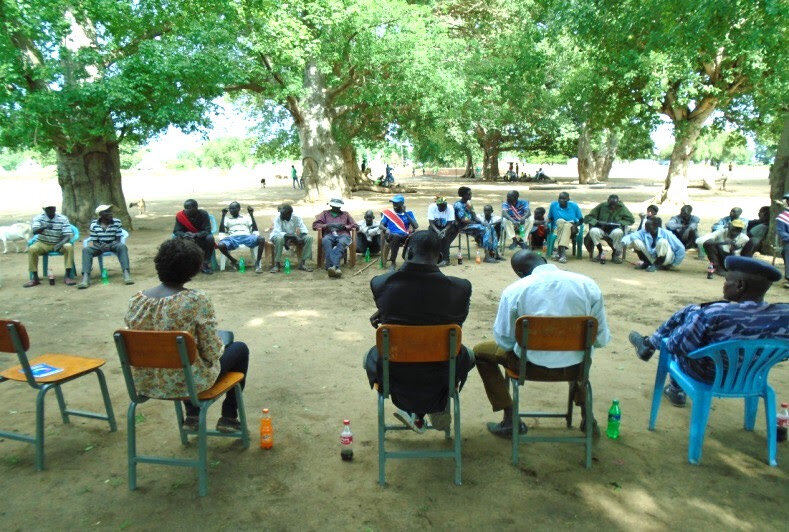
Elders use the language to pass on wisdom through storytelling and proverbs. These oral traditions teach younger generations about their ancestors, their relationship with the natural world, and the moral codes that guide their society. Traditional songs and dances, performed in Ma'di, also play a crucial role in preserving and celebrating cultural identity.
To lose the language is to lose the culture. For the Ma'di, preserving their mother tongue means safeguarding their unique identity for the future.
Now that you have a basic understanding of the Ma'di language and its cultural context, let's test your knowledge.
The Ma'di language is primarily spoken across the border of which two countries?
Ma'di belongs to which language family?