The Lymphatic System Explained
Introduction to the Lymphatic System
The Body's Second Circulatory System
Think of your circulatory system, with its network of blood vessels, as a busy highway system delivering oxygen and nutrients to every cell. But what about the cleanup crew and the security patrols? That’s where the lymphatic system comes in. It’s a vast, parallel network of vessels and organs that plays a crucial role in both your circulatory and immune systems.
This system is essential for keeping you healthy. It manages fluid levels in your body, helps you absorb fats from your diet, and houses the immune cells that protect you from infection. Without it, our bodies would swell with excess fluid, and our defenses against germs would be severely weakened.
The System's Three Key Jobs
The lymphatic system is a multitasker, but its work can be broken down into three main functions.
- Maintaining Fluid Balance: As blood circulates, a small amount of plasma fluid naturally leaks out of tiny capillaries into the surrounding tissues. This fluid, called interstitial fluid, bathes the cells. The lymphatic system acts like a drainage network, collecting this excess fluid and returning it to the bloodstream. This process prevents fluid from building up in the tissues, a condition known as edema.
- Absorbing Dietary Fats: When you eat, fats are broken down in the small intestine. Most nutrients are absorbed directly into the blood, but fat molecules are too large. Special lymphatic vessels in the intestine, called lacteals, absorb these fats and transport them into the bloodstream, providing the body with a vital source of energy.
- Facilitating Immune Responses: The lymphatic system is a cornerstone of your immune defense. It transports pathogens, cellular debris, and cancer cells to lymph nodes, where immune cells are waiting to identify and destroy them. It's the body's primary surveillance system.
Meet the Components
To understand how the system works, let's look at its main parts.
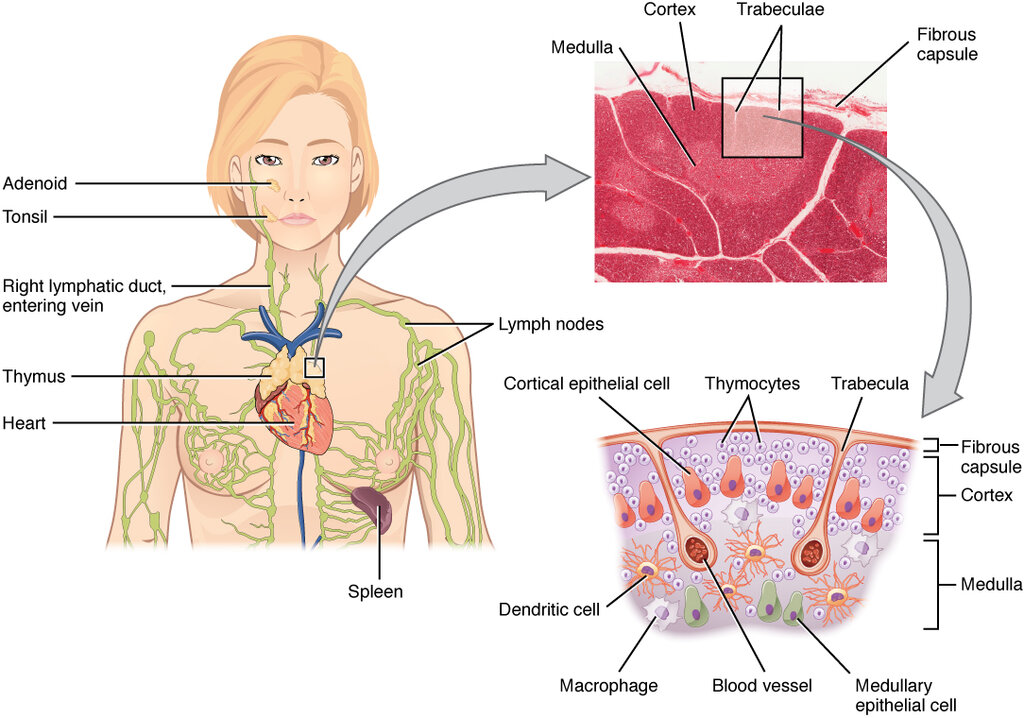
Lymph: This is the fluid that circulates within the lymphatic system. It starts as the interstitial fluid collected from around your cells. Once it enters the lymphatic vessels, it’s called lymph. It's typically a clear, watery fluid that contains white blood cells, particularly lymphocytes, which fight infection.
Lymphatic Vessels: These are the tubes that form a one-way transportation network. Unlike blood vessels, which form a continuous loop, lymphatic vessels begin in the tissues and carry lymph towards the chest, where it re-enters the bloodstream. They have valves to ensure the fluid flows in only one direction.
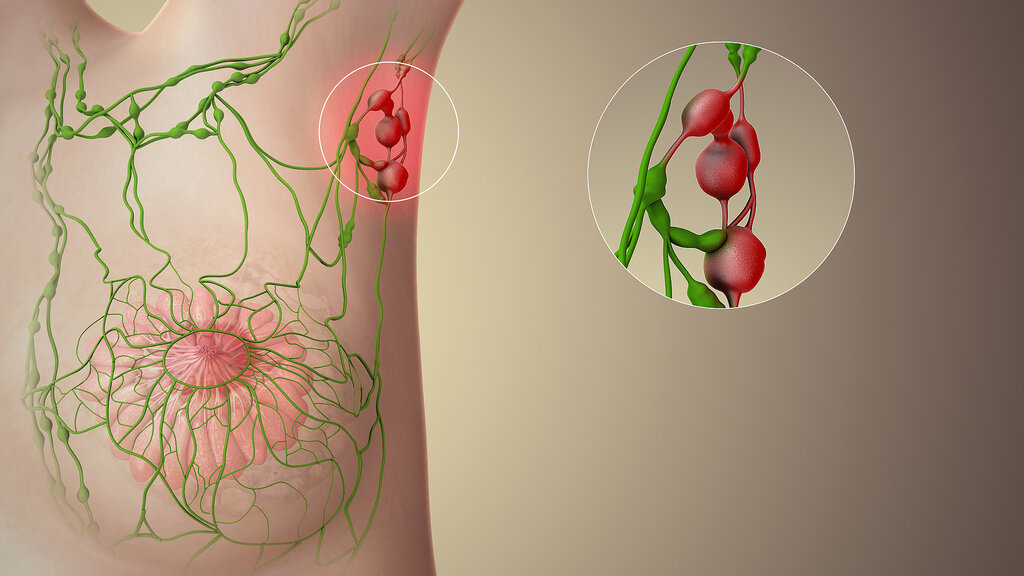
Lymph Nodes: Dotted along the lymphatic vessels are hundreds of small, bean-shaped structures called lymph nodes. You can sometimes feel them in your neck, armpits, or groin, especially when they swell during an illness. These nodes act as filters, trapping pathogens and other foreign particles. They are packed with immune cells that monitor the lymph and launch an attack against any invaders.
Lymphoid Organs: The system also includes several larger organs. The spleen, located in your upper abdomen, filters blood, removes old red blood cells, and holds a reserve of white blood cells. The thymus, a small gland in the chest, is where a crucial type of immune cell, the T-cell, matures.
Together, these components form a dynamic and vital system that works quietly behind the scenes to keep your body in balance and protect you from harm. Understanding its basic parts and functions is the first step to appreciating this remarkable internal network.