The Living Science of Soil
Soil Formation
How Soil Is Made
Soil isn't just dirt. It's the living skin of the Earth, a complex mixture of minerals, organic matter, water, and air that has been developing for millennia. Every handful of soil is the result of a long, slow story that starts with solid rock.
The journey begins with what geologists call parent material. This is the original geological material from which the soil forms. It could be bedrock like granite or limestone, or it might be sediments deposited by rivers, glaciers, or wind. The parent material sets the stage, determining the soil's initial texture and mineral composition.
Breaking Down Rock
Parent material doesn't become soil on its own. It first needs to be broken down into smaller pieces through a process called weathering. There are two main types of weathering: physical and chemical.
Physical weathering is like using a hammer. It smashes rock into smaller bits without changing its chemical makeup. Water seeping into cracks can freeze, expand, and wedge the rock apart. Wind can sandblast surfaces with tiny particles. Even daily temperature swings can cause rock to expand and contract, creating stress that eventually fractures it.
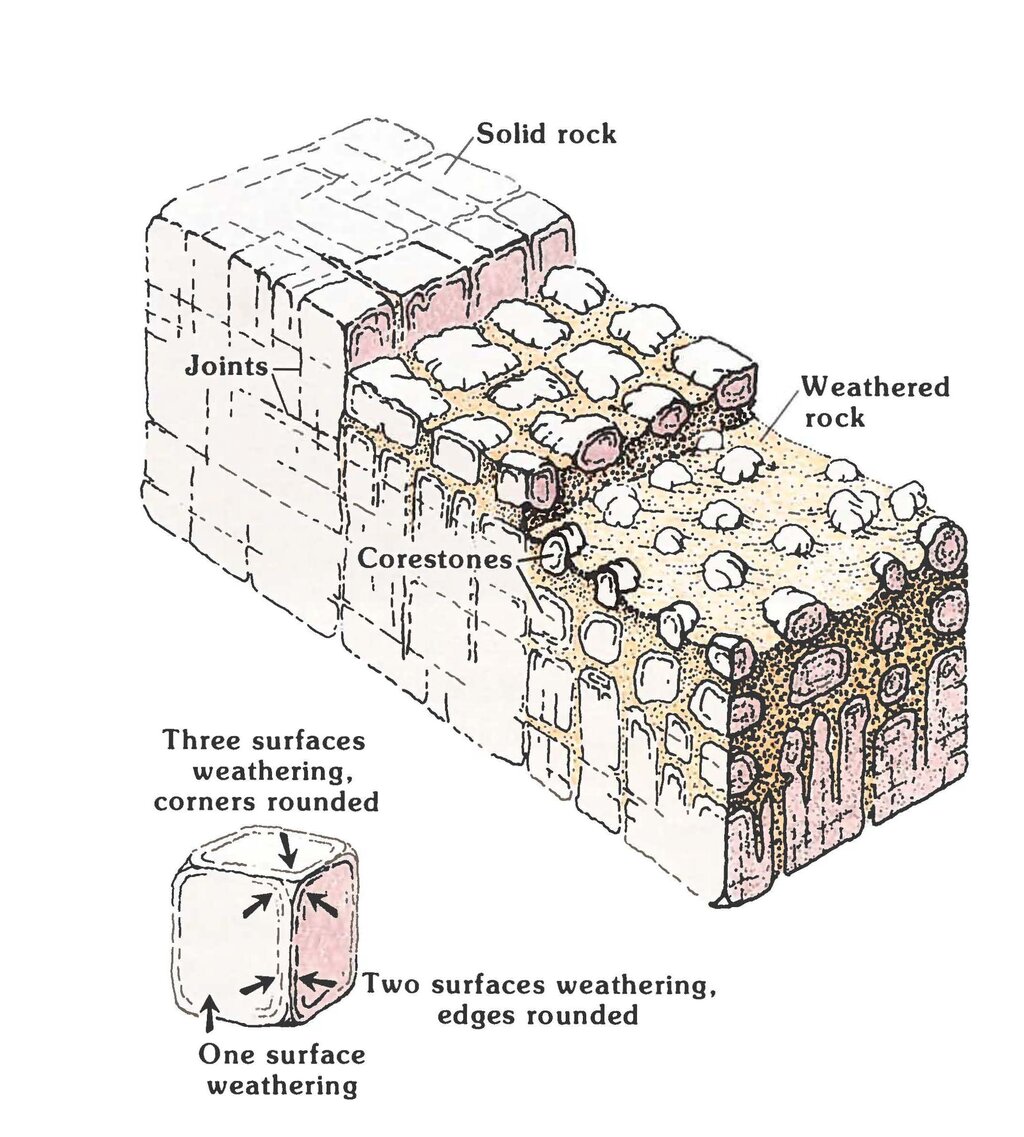
Chemical weathering changes the rock's fundamental composition. Water can dissolve certain minerals, just like sugar dissolves in tea. Oxygen in the air reacts with iron in minerals to form rust, a process called oxidation, which weakens the rock. Acidic water, naturally present in rain, can also react with minerals and break them down.
Life Moves In
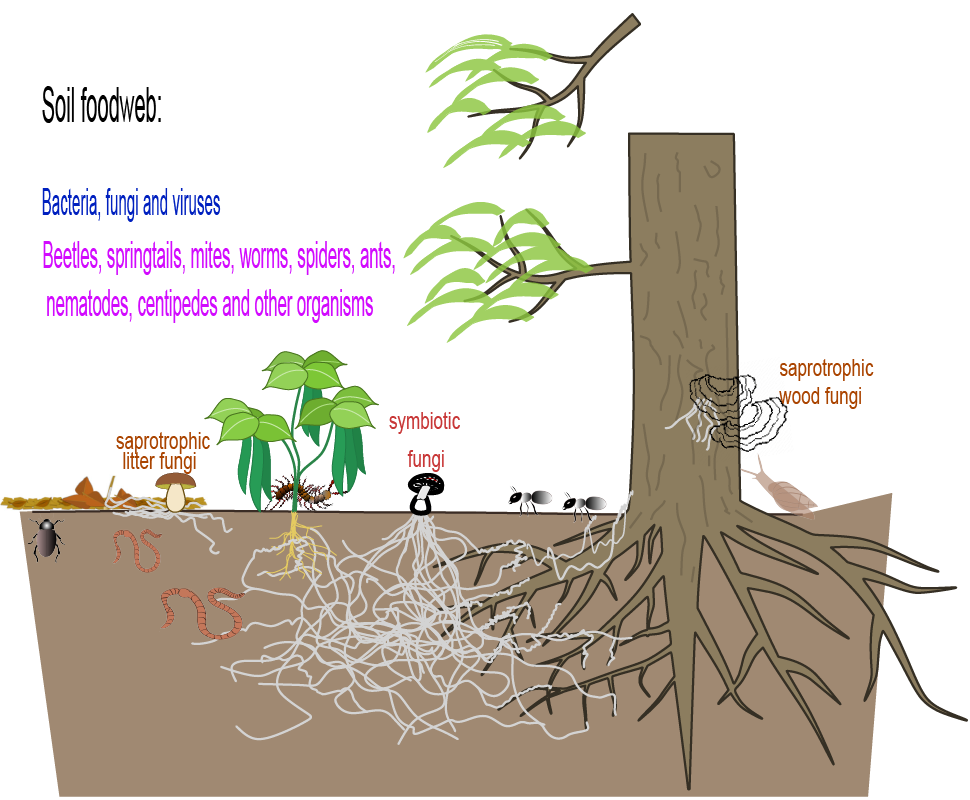
Once weathering creates a layer of broken rock and mineral fragments, life can take hold. Pioneer organisms like lichens and mosses are often the first to arrive. They can grow directly on rock surfaces, and their roots and the weak acids they produce further break down the parent material.
As these organisms die and decompose, they add organic matter to the mineral fragments. This is the crucial step that begins to turn weathered rock into true soil. More complex plants can then establish themselves, their roots penetrating deeper and pulling up nutrients. Animals, from tiny microbes to burrowing earthworms, also move in, mixing the soil and contributing their own waste and remains.
Organic Matter
noun
Material in the soil derived from the remains of organisms such as plants and animals in various stages of decomposition. It improves soil structure and provides nutrients.
Over time, this accumulation of decaying material forms humus, a stable, dark-colored substance that is rich in nutrients. Humus is essential for creating a healthy soil structure. It helps the soil retain water, allows air to circulate, and provides food for the vast community of microorganisms that live in the soil.
The Recipe for Soil
Soil formation isn't the same everywhere. The type of soil that develops in a particular place depends on a specific recipe with five key ingredients. Geologists often remember these factors with the acronym CLORPT: Climate, Organisms, Relief (topography), Parent material, and Time.
| Factor | Influence on Soil Formation |
|---|---|
| Climate | Temperature and precipitation control the speed of weathering and decomposition. |
| Organisms | Plants, animals, and microbes add organic matter and mix soil. |
| Relief (Topography) | The shape of the land (steep vs. flat) affects drainage, erosion, and sun exposure. |
| Parent Material | Determines the starting mineral composition and texture. |
| Time | Soil formation is a slow process; older soils are typically deeper and more developed. |
A warm, wet climate will form soil much faster than a cold, dry one because chemical reactions and biological activity are accelerated. The types of plants and animals present also have a huge impact. For instance, the soil under a pine forest will be more acidic than the soil under a grassy prairie because of the difference in the decaying plant material.
Topography, or the lay of the land, matters too. Soils on steep slopes are often thin because of erosion, while soils in flat valley bottoms can be deep and rich as material accumulates there.
Finally, all these factors need time to work. It can take hundreds or even thousands of years to form just one inch of topsoil. The longer these processes have been at work, the more developed the soil will be.
Understanding these formation processes shows us that soil is not a static, inert substance. It is a dynamic, living resource shaped by a complex interplay of geology, climate, and biology over vast stretches of time.
What is the acronym used to remember the five key factors of soil formation?
The formation of rust on rocks containing iron is an example of physical weathering.