The Linguistic Legacy of the Norman Conquest
Immediate Aftermath of 1066
A New Order
The Battle of Hastings in 1066 wasn't just a single fight; it was the beginning of a total transformation of England. After his victory, William, Duke of Normandy, was crowned King of England on Christmas Day. But winning the crown and controlling the country were two different challenges. England was a hostile, conquered land.
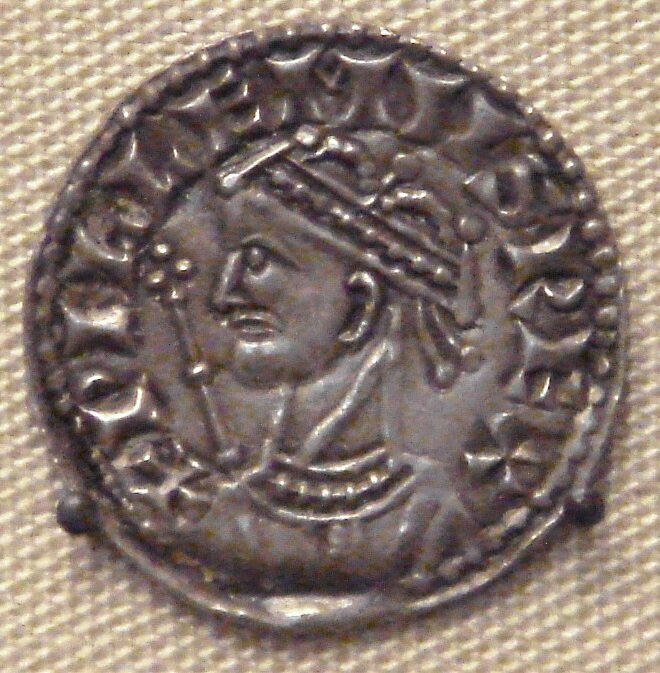
William’s first move was to secure his power. He did this by systematically dispossessing the Anglo-Saxon aristocracy. Over the next two decades, the old English earls and nobles were almost entirely wiped out. They were killed in rebellions, exiled, or stripped of their lands. In their place, William installed his own loyal Norman, Breton, and Flemish followers. By 1086, less than 5% of the land in England was held by Anglo-Saxons who had held it before 1066. A new ruling class, with new customs and a new language, was now in charge.
Land and Loyalty
To manage his new kingdom, William imported a system of governance and land ownership that was new to England: feudalism. The core idea was simple. The king owned all the land by right of conquest. He then granted large parcels, known as fiefs or manors, to his most trusted barons and lords. These men became his tenants-in-chief.
In exchange for land, these barons swore an oath of loyalty and promised to provide the king with a certain number of knights and soldiers for his army. Land wasn't just property; it was a contract.
This created a clear hierarchy. The king was at the top. Below him were the great lords, who in turn granted smaller parcels of their land to lesser knights in exchange for their military service. At the bottom of the pyramid were the peasants, or villeins, who worked the land. They were tied to the manor and owed labor to their lord in exchange for a place to live and protection. This system ensured William had a loyal army and a way to control the entire country through a network of personal allegiances.
To make this system work, William needed to know exactly what he had conquered. In 1085, he commissioned a massive survey of his new kingdom. The result was the Domesday Book, an incredibly detailed record of every piece of land, who owned it, what it was used for, and how many people and livestock lived there. It was an administrative masterpiece that gave the Normans unprecedented control over England's resources.
A New Culture, A New Language
The Norman Conquest triggered a major cultural shift. The new elite built imposing stone castles and cathedrals in the Romanesque style, symbols of their power and permanence. They also brought their language: Norman French.
While the vast majority of the population continued to speak Old English, it was immediately demoted. Norman French became the language of the royal court, of law, and of administration. Latin remained the language of the church and official documents. For anyone who wanted power or influence, speaking French was essential. This created a linguistic divide between the rulers and the ruled, a separation that would profoundly shape the English language over the coming centuries.
The immediate aftermath of 1066 was a period of brutal and efficient consolidation. A new foreign aristocracy, a new system of land tenure, and a new language of power were imposed upon England, setting the stage for a unique fusion of Anglo-Saxon and Norman cultures.
By 1086, approximately what percentage of land in England was still held by the Anglo-Saxons who had owned it before the Norman Conquest?
What was the primary purpose of the Domesday Book, commissioned in 1085?