The Life of Isa Chiroma Bakary
Introduction to Nigerian History
Before Borders
Long before the country of Nigeria existed, the land was home to a vibrant collection of kingdoms, empires, and societies. These weren't isolated groups. For centuries, they traded, fought, and exchanged ideas across vast networks.
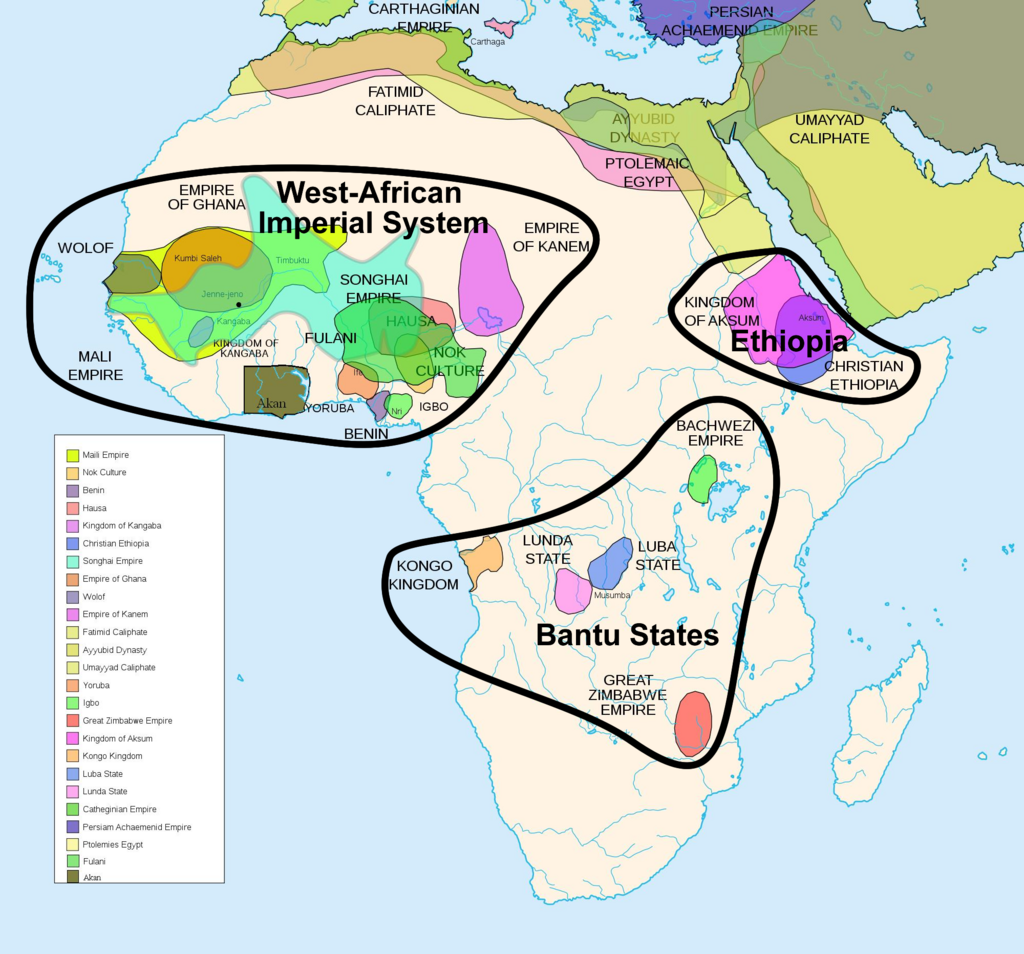
In the central part of modern-day Nigeria, the Nok culture flourished as early as 1500 BCE, creating remarkable terracotta sculptures. To the south, the Kingdom of Benin became a major power, known for its sophisticated bronze and ivory artwork. The Yoruba people built powerful city-states like Ife and the expansive Oyo Empire, which had a complex system of checks and balances in its government.
To the north, the Hausa kingdoms established themselves as major trading hubs along trans-Saharan routes. In the early 19th century, these kingdoms were unified under the Sokoto Caliphate, an Islamic state that became one of the largest empires in Africa, promoting education and trade.
Each of these societies had its own unique political structure, from the centralized monarchies of Benin and Oyo to the more decentralized, village-based governance of groups like the Igbo.
A New Map
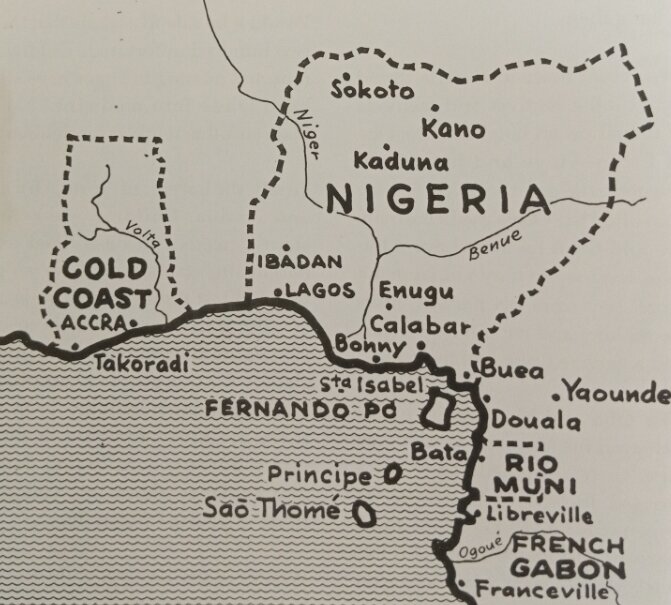
The arrival of British traders and missionaries in the 19th century marked a turning point. Initially focused on coastal trade, British influence gradually expanded inland. By the end of the century, Britain had established formal control, creating two territories: the Southern Nigeria Protectorate and the Northern Nigeria Protectorate.
Protectorate
noun
A state or territory that is controlled and defended by a more powerful state.
These protectorates were governed separately, with different administrative styles. The British often ruled indirectly, using local leaders to enforce their policies. This approach preserved some traditional structures but also altered them to serve colonial interests.
In 1914, for administrative convenience and to merge the resource-rich south with the larger, landlocked north, Britain amalgamated the two protectorates. This single act created the colonial entity of Nigeria, drawing lines on a map that brought together hundreds of distinct ethnic and cultural groups.
A Nation Forged
After World War II, a wave of nationalism swept across Africa. Nigerian leaders began demanding self-rule, pushing for an end to colonial administration. Their efforts paid off, and on October 1, 1960, Nigeria gained its independence from Britain.
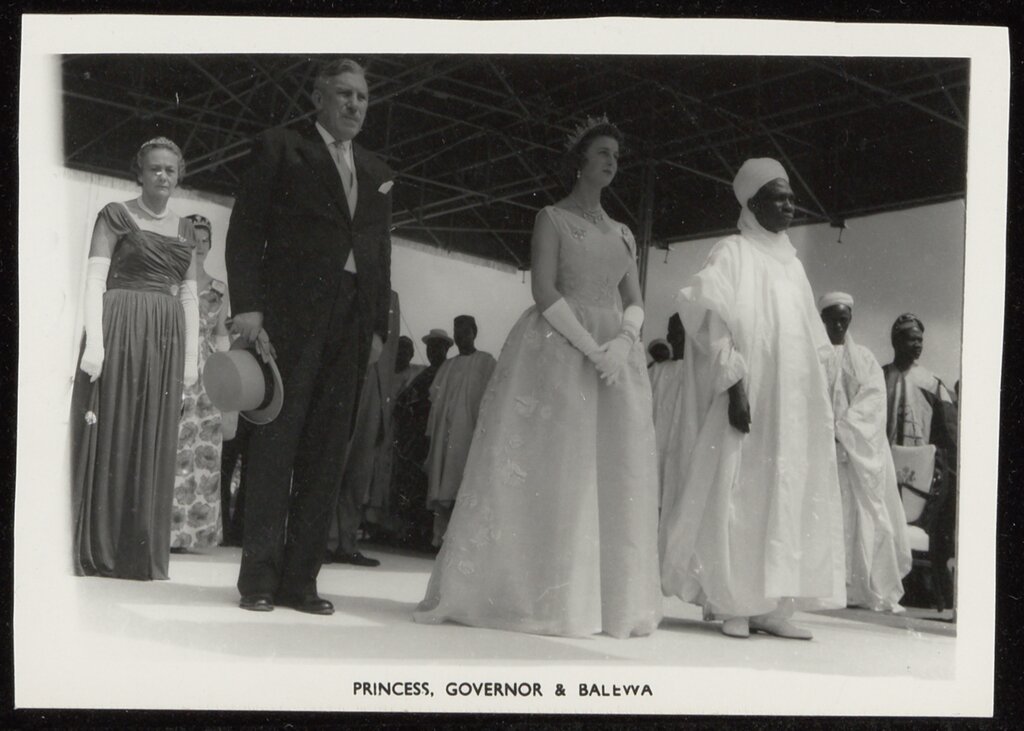
The post-independence years were challenging. The new nation had to forge a unified identity from its immense diversity. Political tensions between different regions and ethnic groups led to instability, including a civil war from 1967 to 1970.
The country also experienced several military coups and long periods of military rule. However, pro-democracy movements continued to push for change. In 1999, Nigeria transitioned to a democratic government, a system that continues today. The nation remains a complex, dynamic place, shaped by its deep history and the ongoing work of balancing unity and diversity.
A Mosaic of Peoples
Nigeria is home to over 250 ethnic groups, each with its own language and traditions. Three of the largest and most influential groups are the Yoruba, Igbo, and Hausa-Fulani.
The Yoruba are predominant in the southwest. Their traditional political structure is based on powerful city-states, each ruled by an Oba, or king. The Igbo, concentrated in the southeast, historically had a more decentralized society organized around villages and clans, with decisions made by consensus.
The Hausa-Fulani are the largest group in the north. Historically, they were organized into centralized emirates, which were later incorporated into the Sokoto Caliphate. This rich cultural mosaic is a defining feature of Nigerian life and politics.
Time to review the key moments and ideas from Nigeria's history.
Now, let's see what you've learned.
Which early culture, flourishing as early as 1500 BCE in central Nigeria, is renowned for its distinctive terracotta sculptures?
The Sokoto Caliphate, established in the early 19th century, was a powerful Islamic state that unified the ______.
Understanding Nigeria's journey—from ancient kingdoms through colonial rule to an independent, diverse nation—provides a crucial backdrop for the stories of its people.