The Life and Legacy of 2Pac Shakur
Early Life
A Revolutionary Name
Tupac Shakur was born Lesane Parish Crooks on June 16, 1971, in East Harlem, New York. His parents, Afeni Shakur and Billy Garland, were both active members of the Black Panther Party, a political organization that challenged police brutality and provided community services.
The name Lesane didn't last long. When he was just a year old, his mother renamed him Tupac Amaru Shakur. This wasn't just a new name; it was a statement. It honored Túpac Amaru II, an 18th-century revolutionary who led an indigenous uprising against Spanish colonial rule in Peru. From his earliest days, Tupac's identity was tied to a legacy of resistance.
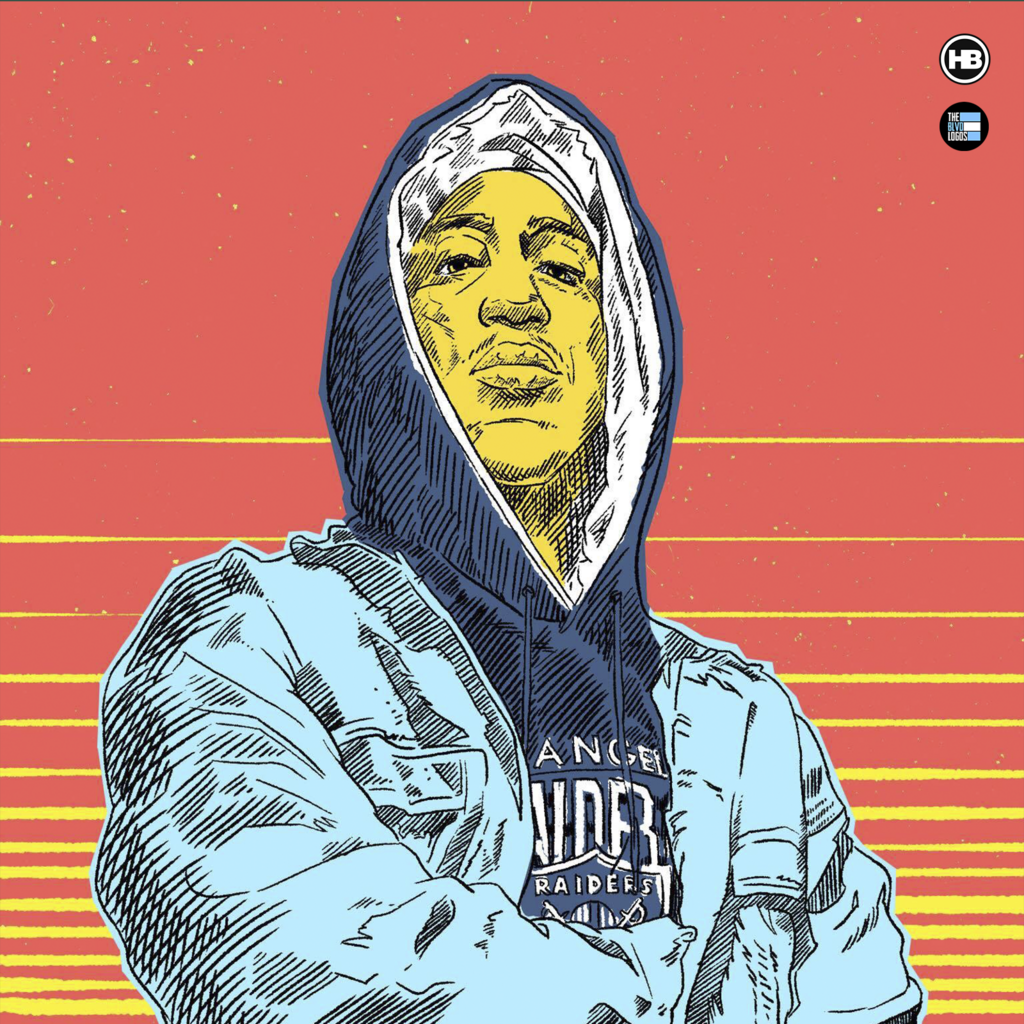
Raised in the Movement
Growing up with parents in the Black Panther Party meant Tupac was immersed in activism from birth. The Panthers' ideology, which emphasized Black pride, self-sufficiency, and social justice, profoundly shaped his worldview. His mother, Afeni, was a prominent figure in the party, and her political convictions and struggles became a central part of Tupac's upbringing.
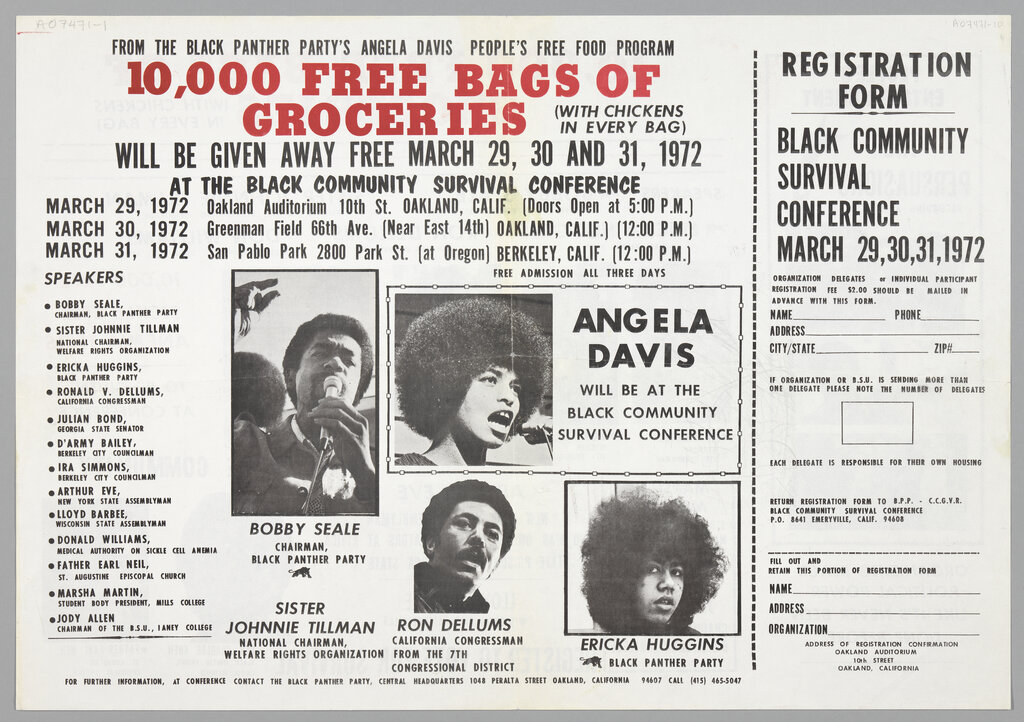
This environment instilled in him a sharp awareness of social inequality and a deep sense of responsibility to his community. The themes of struggle, injustice, and resilience that would later define his music were rooted in these formative experiences.
Finding His Voice in Baltimore
In 1984, the family moved to Baltimore, Maryland. This move marked a pivotal chapter in Tupac's development as an artist. He enrolled at the Baltimore School for the Arts, a competitive public high school where his creative talents flourished.
At the school, he studied a diverse curriculum that included acting, poetry, jazz, and even ballet. He was remembered by teachers and classmates as a charismatic, curious, and exceptionally talented student.
This formal arts education gave him the tools to express the complex ideas he had absorbed throughout his childhood. It honed his ability to write poetry, perform on stage, and understand rhythm and narrative. The combination of his political upbringing and his artistic training in Baltimore created the foundation for the influential voice he would soon become.
What was Tupac Shakur's given name at birth?
The name Tupac Amaru was chosen to honor whom?
These early years, defined by political consciousness and artistic discovery, were essential in shaping the man and the artist.