The Licensing Industry Business Model
Introduction to Licensing
What Is Licensing?
Think of a brand you love. Maybe it's a fashion label, a cartoon character, or a popular artist. You see their logo and designs not just on their core products, but on all sorts of other merchandise: phone cases, notebooks, coffee mugs, and t-shirts.
How does that happen? The answer is licensing.
Licensing is essentially a rental agreement for a brand's identity. A brand owner, known as the licensor, gives another company, the licensee, permission to use its intellectual property. This property can include a brand name, logo, character, or design.
Licensor
noun
The owner of the intellectual property (like a brand name or logo) who grants permission for its use.
Licensee
noun
The company or individual who is granted permission to use the intellectual property for a specific purpose.
In exchange for this permission, the licensee pays the licensor, usually a fee or a percentage of sales called a royalty. This allows the licensee to create and sell products featuring the licensor's popular brand, while the licensor gets to expand its presence without making the products themselves.
Why Bother with Licensing?
Licensing is a powerful tool for growth. For the brand owner (licensor), it's a low-risk way to step into new markets. A high-end fashion designer might not have the factories to produce a line of affordable perfumes, but they can license their brand name to a cosmetics company that does. This extends the brand's reach and introduces it to a whole new set of customers.
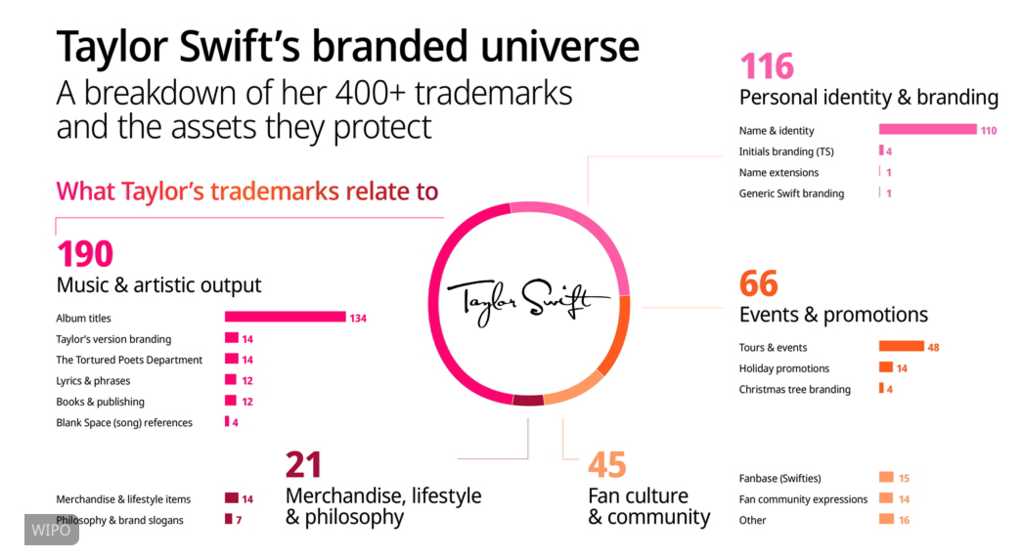
It also boosts brand visibility. The more places your logo appears, the more recognizable it becomes. Every licensed product acts as a tiny advertisement, reinforcing the brand's identity in the public eye. Look at how Taylor Swift has trademarked various aspects of her brand, from song lyrics to tour names. This vast portfolio of intellectual property can be licensed for all kinds of merchandise, massively expanding her brand's universe.
For the partner company (licensee), the benefit is clear. They get to leverage the built-in audience and positive reputation of an established brand. It's much easier to sell a backpack featuring a beloved character from a hit movie than a plain, unknown one. The brand's popularity gives the product instant appeal and a competitive edge.
Types of Licensing Deals
Licensing agreements aren't one-size-fits-all. They are tailored to fit the goals of the licensor and licensee. Here are a few common types you'll encounter in the fashion, lifestyle, and collectibles industries.
Product Licensing: This is the most straightforward type. A brand's logo or design is placed on a product. Think of a university's crest on a sweatshirt or a beverage company's logo on a set of glassware.
Character Licensing: Hugely popular in entertainment and collectibles, this involves licensing a specific character. This could be anyone from Mickey Mouse to a superhero, appearing on everything from toys and apparel to home goods.
Brand Extension Licensing: This is when a brand moves into a new product category. For example, a company known for making rugged tires might license its name to a manufacturer of durable work boots. The goal is to transfer the brand's core qualities, like toughness and reliability, to a new type of product.
Promotional Licensing: This is often a short-term deal to support a specific marketing campaign. A classic example is a fast-food chain including toys from a new movie in their kids' meals. The license is only for the duration of the promotion.
Understanding these basics is the first step to seeing how brands strategically grow and connect with us in new and unexpected ways.
In the context of branding, what is licensing?
In a licensing agreement, the brand owner is called the ________, and the company using the brand's intellectual property is the ________.