The Letters of Paul
Introduction to Paul
From Persecutor to Apostle
Before he was Paul, he was Saul of Tarsus. Born a Roman citizen in a bustling city in modern-day Turkey, Saul was a man of two worlds. He was deeply rooted in his Jewish heritage as a Pharisee, a strict and respected sect known for its rigorous interpretation of Jewish law. He was also comfortable in the Greek-speaking, Roman-controlled world around him.
Saul
This dual identity gave him a unique perspective. As a Pharisee, he was fiercely devoted to his faith. He saw the new Christian movement as a dangerous threat to the traditions he held dear. Driven by this conviction, Saul became a zealous persecutor of the early church, believing he was defending God's law.
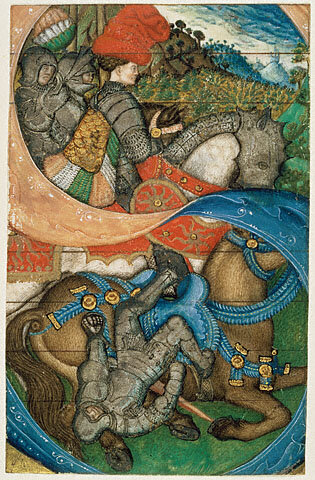
Everything changed on the road to Damascus. While traveling to arrest Christians, Saul was struck by a blinding light and encountered the resurrected Jesus. This experience completely upended his life. Blinded for three days, he was led into the city, where a Christian named Ananias, guided by a vision, healed him. Saul was baptized, and the church's most feared opponent began his transformation into its most influential advocate.
A Mission to the Gentiles
Following his conversion, Paul spent years in study and reflection before embarking on his life's work. He became an apostle, specifically one sent to the Gentiles—the non-Jewish peoples of the Roman Empire. This was a radical idea at the time. Most early believers thought that following Jesus was an extension of Judaism. Paul argued passionately that faith in Jesus was for everyone, regardless of their ethnic or religious background.
Gentile
noun
A person who is not Jewish.
To spread this message, Paul undertook a series of grueling missionary journeys. Traveling thousands of miles by land and sea, he established Christian communities in major cities across Asia Minor, Macedonia, and Greece. He faced constant hardship: shipwrecks, beatings, imprisonment, and fierce opposition. Yet, he persevered, driven by his mission.
These journeys weren't just about preaching. Paul stayed in touch with the churches he founded through letters, or epistles. These letters offered guidance, corrected misunderstandings, and provided encouragement. They addressed real-world problems faced by new believers, from internal disputes to questions about how to live a Christian life in a pagan society.
Paul's letters make up a significant portion of the New Testament and became foundational documents for Christian theology and practice.
Architect of the Church
Paul's influence on Christianity is immense. He was a brilliant theologian who articulated key doctrines about grace, faith, and the nature of Jesus Christ. But he was also a practical organizer who shaped the structure of the early church.
He established a network of house churches across the Roman Empire, creating a sense of shared identity among scattered believers. His letters provided a blueprint for church leadership, worship, and community life. More than anyone else, Paul transformed Christianity from a small Jewish sect into a world religion.
His work eventually led him to Rome, the heart of the empire. According to tradition, he was imprisoned and ultimately executed there for his faith around 64-67 AD. Even in his final days, he continued to write, leaving a legacy that has shaped Christian thought for two millennia.
Now, let's review some key ideas about this pivotal figure.
Ready to test your knowledge?
Before his conversion, what was Saul's primary identity and role within his Jewish faith?
What was the central and most radical aspect of Paul's mission as an apostle?
By understanding Paul's background, conversion, and mission, we gain a crucial framework for reading his letters not as abstract theological treatises, but as real correspondence addressing the urgent challenges of the first-century church.