The Letter R
Origins and Evolution
From Head to Letter
The story of the letter 'r' begins with a picture. Around 4,000 years ago, ancient Egyptians used a hieroglyph that looked like the profile of a human head. This symbol represented the word for 'head', which was tep.
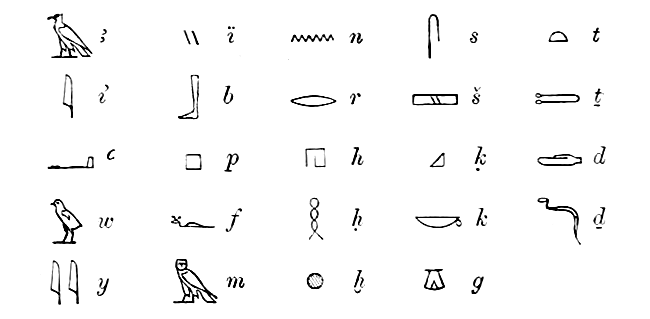
Later, Semitic-speaking people living in Egypt adapted this system. They borrowed the head symbol but used it to represent the first sound of their word for head, rēš. This was a crucial step. The symbol no longer stood for an object; it stood for a sound. The picture of a head now meant 'r'.
The Phoenicians, who were great traders and sailors, simplified the symbol further. Their letter, called resh, was a triangle on a stick, a very basic outline of a head facing left. They spread this new alphabet all across the Mediterranean.
The Greek Twist
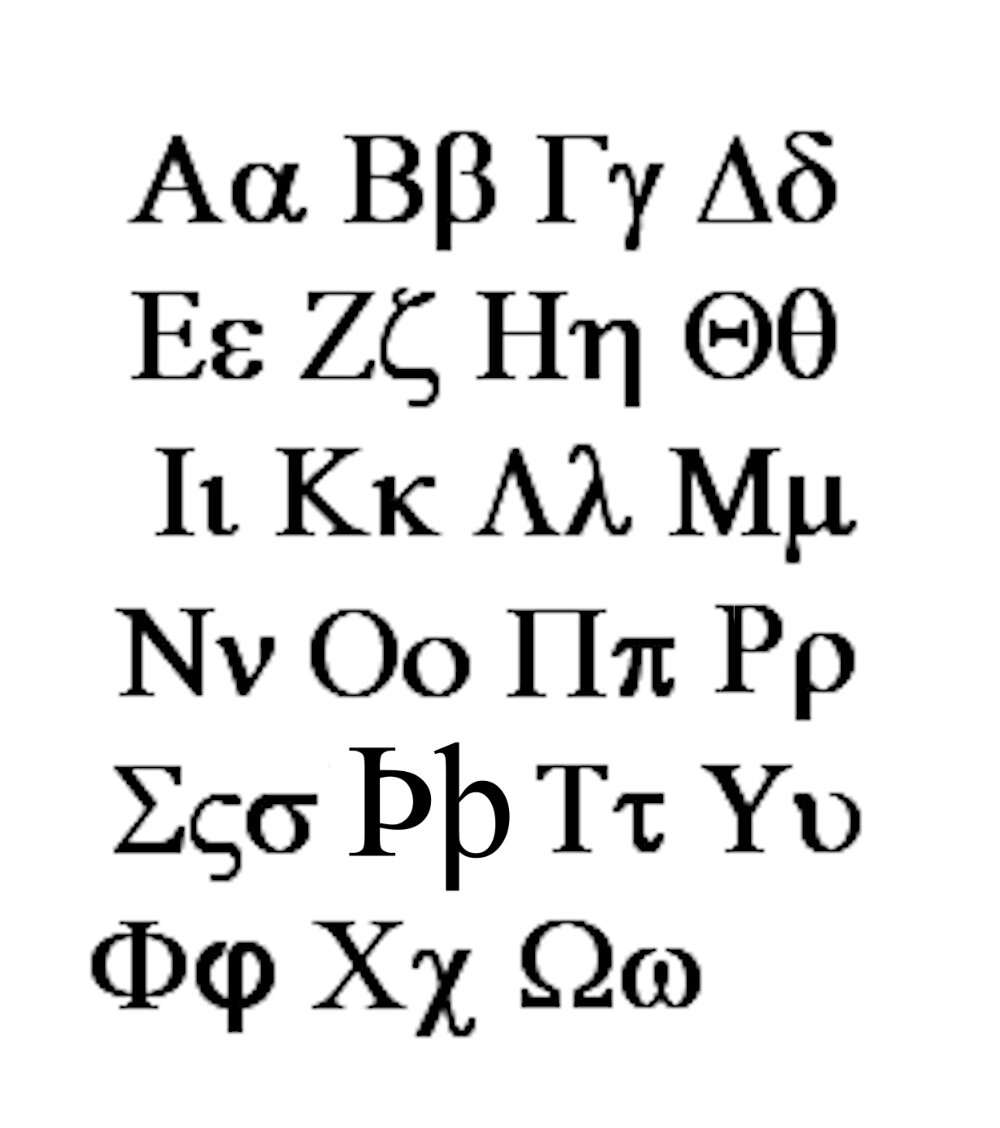
Around the 8th century BCE, the Greeks adopted the Phoenician alphabet to write their own language. They took the letter resh and gave it a new name: rho (Ρ, ρ). But they made a significant change. Greek was written from left to right, so they flipped the letter to face the other way.
rho
noun
The 17th letter of the Greek alphabet (Ρ, ρ), transliterated as 'r'.
This new, right-facing version of the letter now looked almost identical to the modern capital letter 'P'. For the Greeks, this wasn't a problem, as their letter for the 'p' sound, pi (Π, π), looked different. But this similarity would cause a bit of confusion for the next civilization to adopt the alphabet.
Rome Sets It Straight
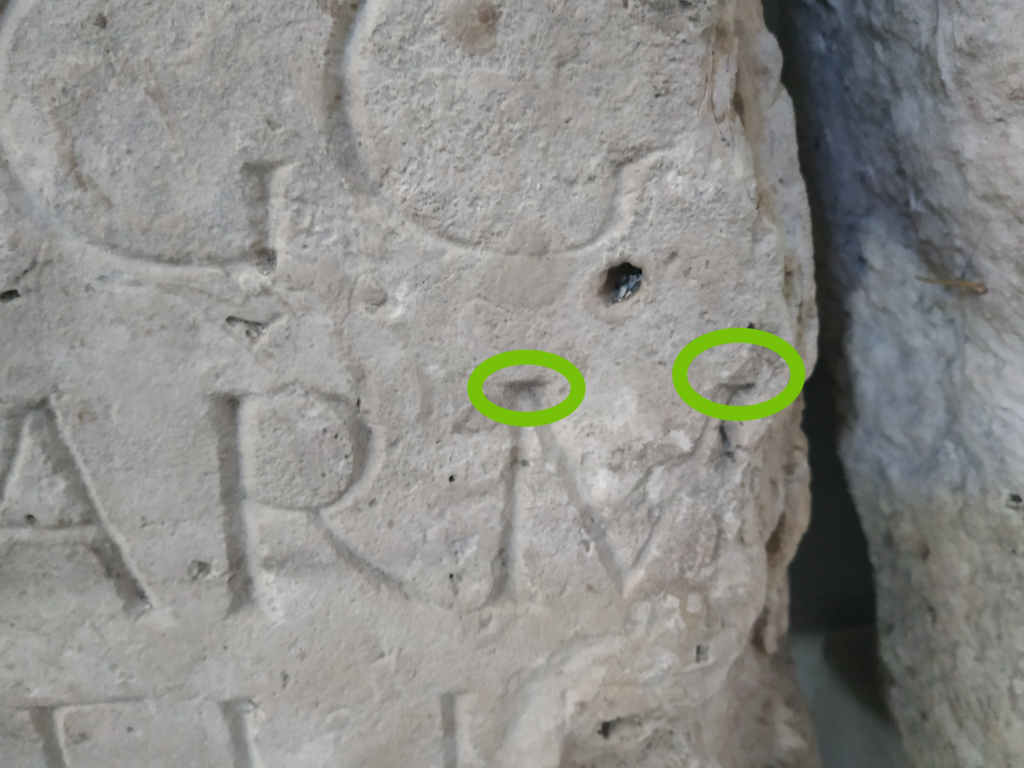
The Romans borrowed their alphabet from the Etruscans, who had adapted it from the Greeks. The Romans now had a letter for the 'r' sound that looked exactly like a 'P'. To solve this problem, they simply added a small diagonal leg to the bottom right of the character. And just like that, the capital letter 'R' as we know it was born.
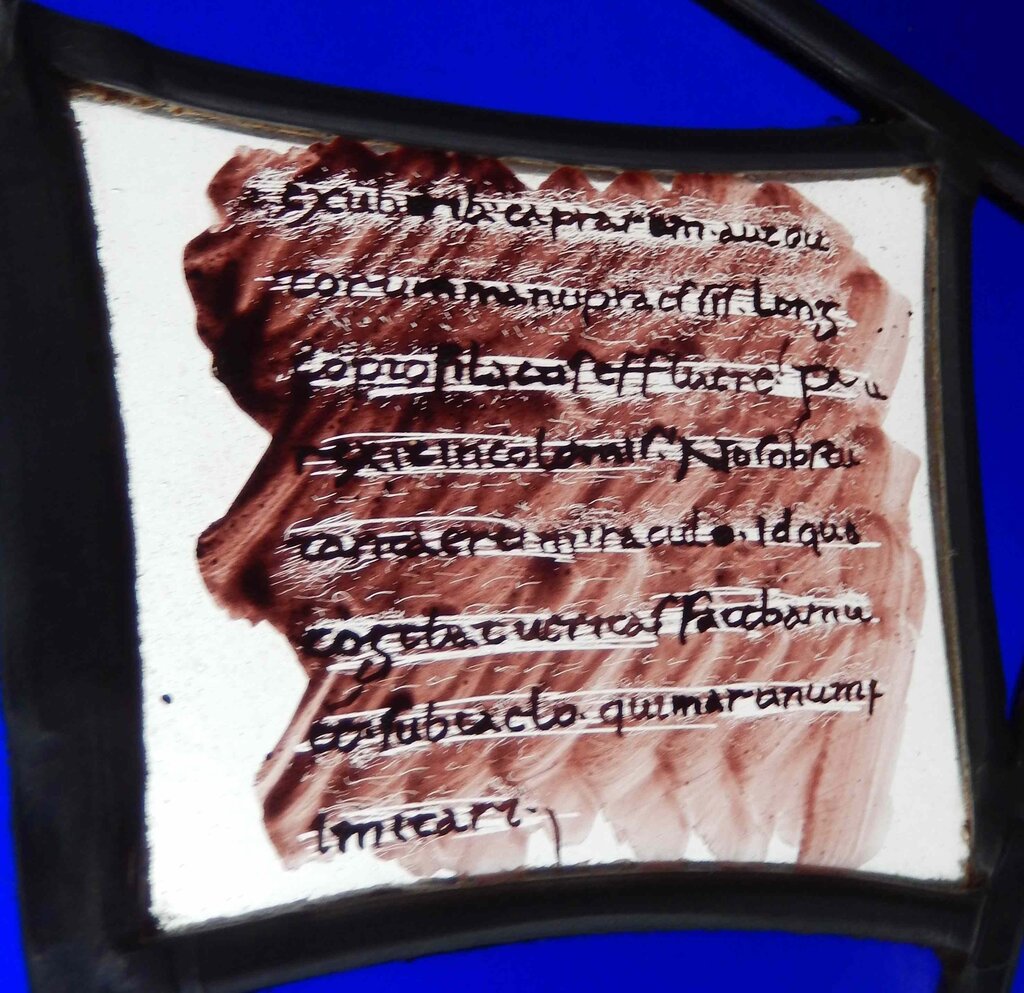
The lowercase 'r' came much later. During the Middle Ages, scribes writing manuscripts by hand looked for ways to write faster and more efficiently. They developed new, flowing scripts where letters could be written with fewer strokes of the pen. In the Carolingian minuscule script, developed around 800 CE, the capital 'R' was simplified. The bowl of the letter was shrunk and the vertical stem was shortened, leading to a form that eventually evolved into the lowercase 'r' we use today.
From a picture of a head to a simple character in our modern alphabet, the letter 'r' has had a long and fascinating journey through history.