The Letter L
Origins and Evolution
From Ox Goad to L
The story of the letter 'L' begins over 3,000 years ago with the Phoenicians, a seafaring people who lived in the eastern Mediterranean. Their alphabet was a game-changer, using symbols to represent sounds rather than whole ideas. The ancestor of our 'L' was a letter called 'lamedh'.
Lamedh
noun
The twelfth letter of the Phoenician alphabet.
The symbol for lamedh didn't look like our modern 'L'. It was a hooked or curved line, meant to represent an ox goad, a long stick used to guide cattle. The name 'lamedh' itself likely meant 'goad'. This simple tool was a common sight in the ancient world, making it a relatable symbol for their writing system.
When the ancient Greeks adopted the Phoenician alphabet, they adapted the letters to fit their own language. They took the hooked 'lamedh', flipped it around, and straightened its lines. The result was lambda (Λ), which became the eleventh letter of their alphabet.
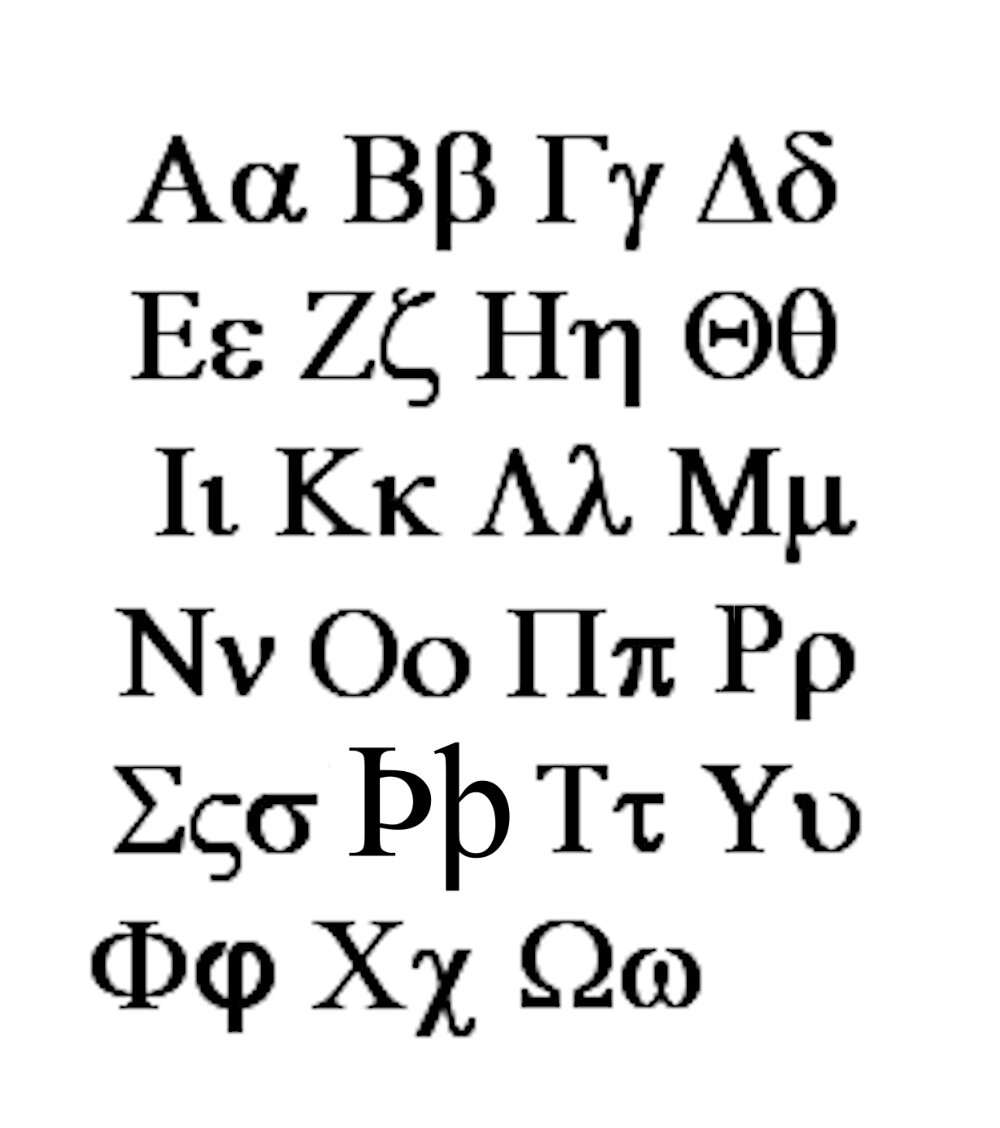
The sound, however, stayed remarkably consistent. Just like 'lamedh', the Greek 'lambda' represented the /l/ sound. This sound is known as a liquid consonant, which means the tongue creates a partial closure in the mouth, allowing air to flow around the sides. It's a smooth, flowing sound that has traveled through millennia with little change.
The final major step in the letter's journey came with the Romans. They borrowed the Greek alphabet, likely through the Etruscans in Italy. They simplified lambda's shape even further, turning it into the familiar right angle we use today. The Romans standardized this form, and it became the 'L' that spread across Europe and, eventually, the world.
Check your understanding
Let's review the key terms from the letter's history before a quick quiz.
Ready to test your knowledge?
The earliest ancestor of the letter 'L', known as 'lamedh', originated from which ancient alphabet?
The original Phoenician symbol for 'lamedh' was designed to represent what common ancient tool?
From a simple farming tool to a cornerstone of modern alphabets, the letter 'L' has a rich and straightforward history.