The Letter I
Origins of the Letter I
An Arm and a Hand
The letter 'I' looks like one of the simplest characters in the alphabet. It’s just a straight line. But that simple line has a long history, starting thousands of years ago in ancient Egypt.
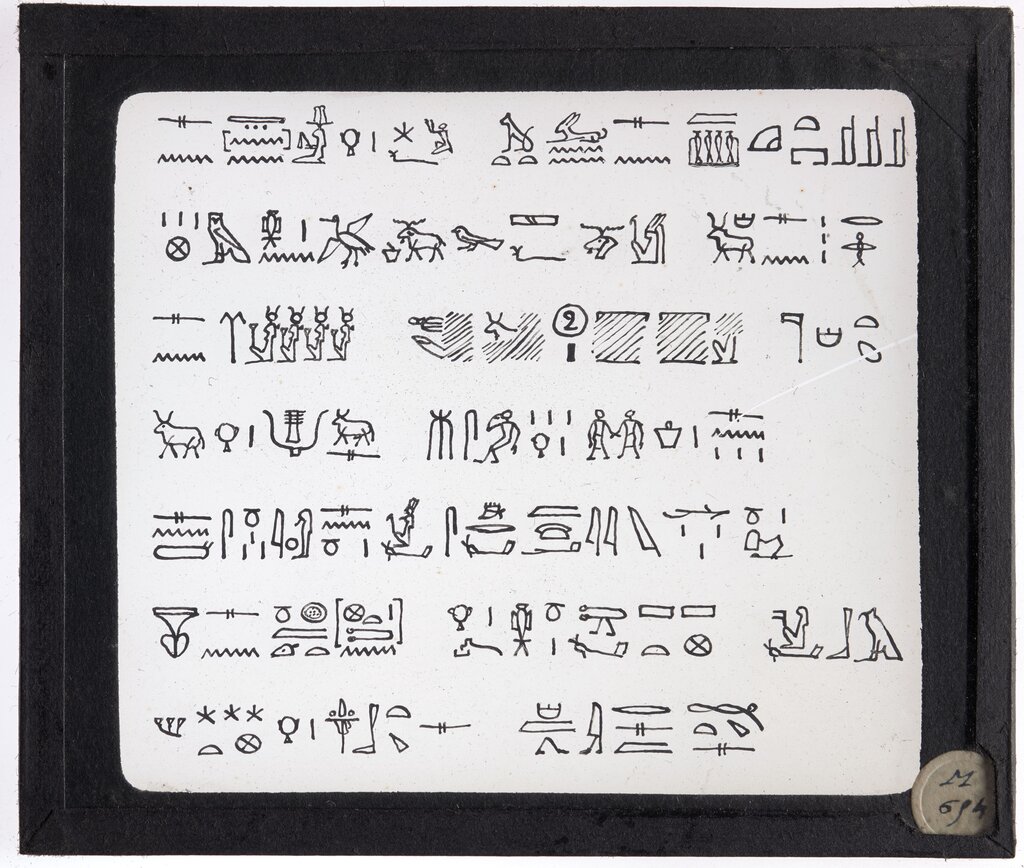
The ancestor of 'I' was a hieroglyph that looked like an arm and a hand. This symbol represented the sound you hear at the beginning of the word "yes."
hieroglyph
noun
A stylized picture of an object representing a word, syllable, or sound, as found in ancient Egyptian and other writing systems.
Around 1000 BCE, seafaring traders known as the Phoenicians adapted the Egyptian system. They simplified the arm hieroglyph into a new, more abstract symbol. They called it "yod."
Arm or Hand
This letter, yod, still made the 'y' sound, just like its Egyptian predecessor. It was a consonant, not a vowel.
The Greek Vowel
The next chapter in our letter's story belongs to the ancient Greeks. They borrowed the Phoenician alphabet to create their own, but they made a clever change. The Greek language didn't have the 'y' consonant sound that yod represented. Instead of discarding the letter, they repurposed it.
The Greeks turned the consonant 'yod' into a symbol for a vowel sound: the 'ee' sound in "see" or the 'i' in "ski."
They also straightened the symbol into a single vertical stroke and renamed it "iota." This was a major step. It transformed a consonant into one of the fundamental vowels we use today.

The Roman Letter
The alphabet continued its journey westward across Italy. It was adopted by the Etruscans, and then by the Romans, who were building their empire. The Romans took the Greek alphabet and finalized the form of the letter we now know as 'I'.
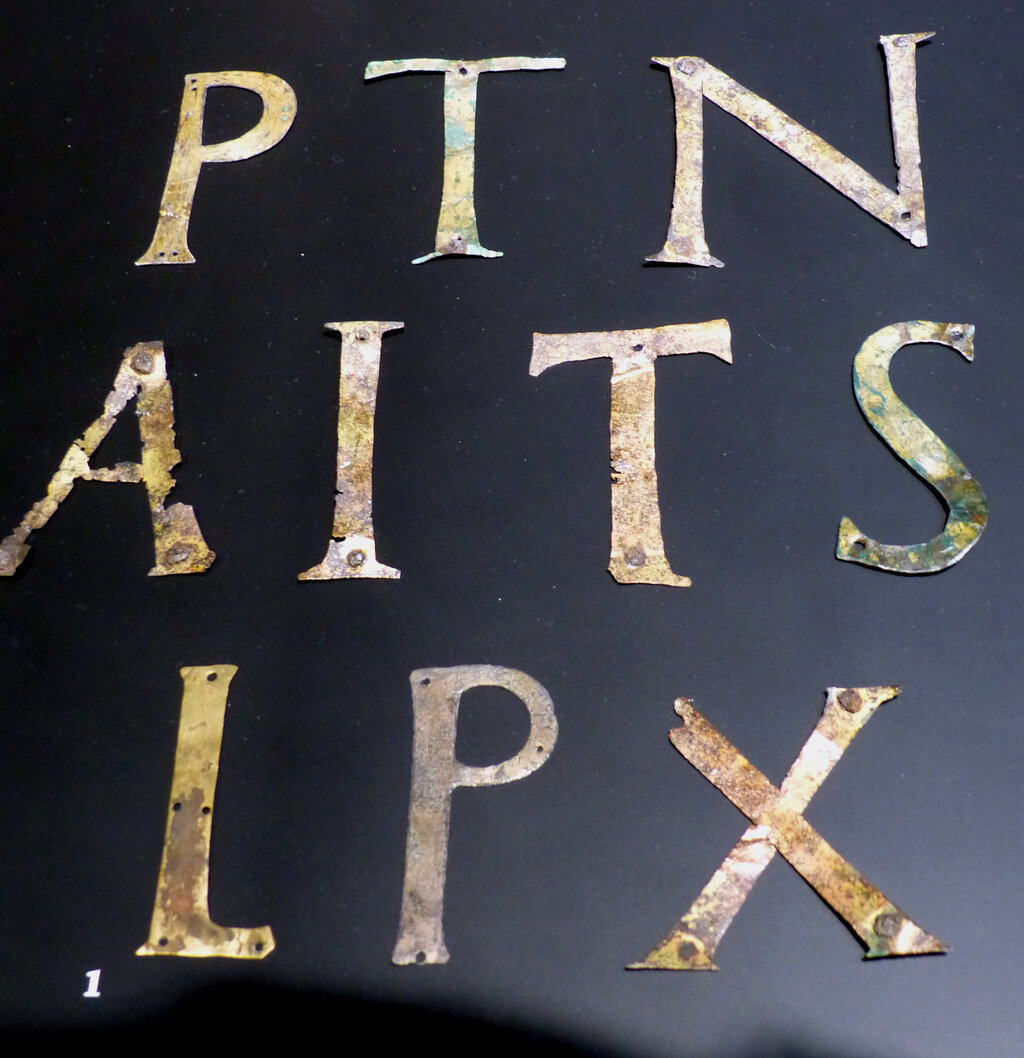
Interestingly, for a long time, the Romans used the single letter 'I' for two different sounds. It represented both the vowel sound /i/ (as in "machine") and the consonant sound /j/ (as in "yes"). It wasn't until the Middle Ages that the letter 'J' was created to distinguish the consonant sound from the vowel, but that's a story for another time.
From a picture of an arm in Egypt to a Semitic consonant and a Greek vowel, the simple letter 'I' traveled through cultures and languages to become the character we use every day.
Let's review the journey of the letter 'I' with some flashcards.
Ready to test your knowledge?
The earliest ancestor of the letter 'I' was an Egyptian hieroglyph representing what?
What was the name of the letter in the Phoenician alphabet that was the precursor to the Greek iota?
From a drawing of an arm to a fundamental vowel, the letter 'I' has had quite the journey.