The Legacy of Brabant
Etymology and Origins
The Name on the Land
The name "Brabant" isn't just a label on a map; it's a linguistic fossil that tells a story about the land itself. To understand its origin, we have to look back to the language of the Franks who settled the region over a thousand years ago. The name is a compound, formed from two distinct parts that were meaningful in Old High German and its local dialects.
Bant
noun
The second part of the name, '-bant', is the most straightforward. It's a Germanic word that simply means "region," "district," or "area." You can find this suffix in other historical place names in the region, like Teisterbant and Oosterbant, each denoting a specific territory.
The first part, 'Bra-', is where the historical debate lies. It derives from the word braec, which meant "to break." When combined with bant, the name describes a type of landscape. But what exactly was being broken?
Fallow Fields or Swampy Ground?
The most widely accepted theory is that braec referred to breaking new ground for farming. In this view, Brabant was the "region of newly broken land" or the "region of fallow land." This suggests a place of agricultural expansion, where forests were cleared and uncultivated soil was plowed for the first time. This interpretation paints a picture of a frontier territory being settled and tamed.
However, a competing theory connects braec to the word broek, meaning marsh or swampy, waterlogged land. The Low Countries are famous for their wet landscapes, so it's plausible the name meant "the marsh region." While this theory has some supporters, the connection to "breaking ground" is considered linguistically stronger by most historians.
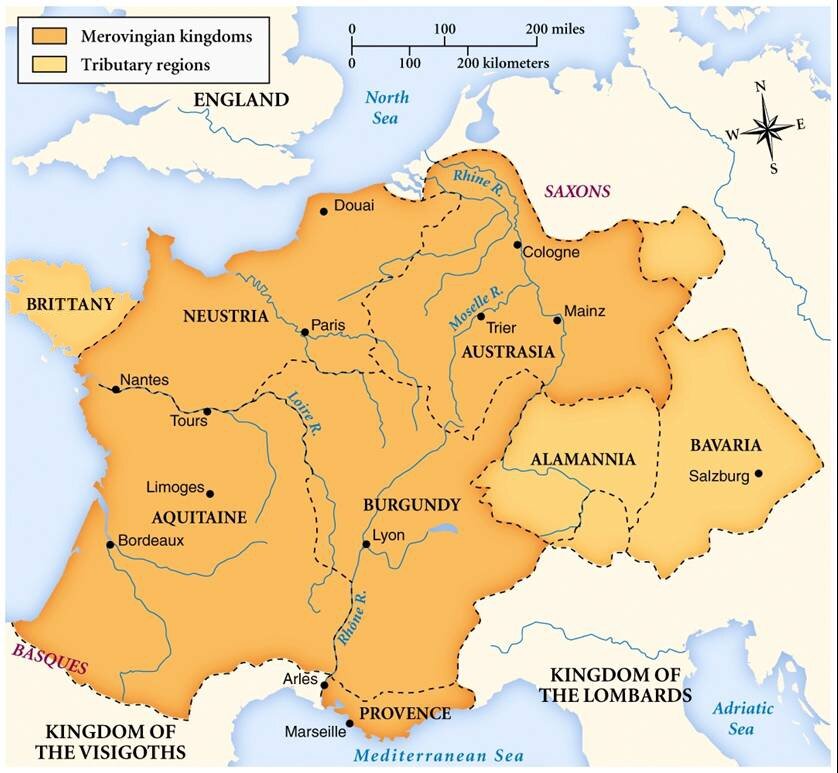
Regardless of the exact meaning, the name first appears in historical records tied to a specific administrative unit. During the Carolingian era, the region was known in Latin as the —the county or district of Brabant. This was a Frankish territory situated between the Scheldt and Dyle rivers.
What began as a simple, practical description of the landscape—be it fallow fields or marshy plains—gradually became a fixed political identity. Over time, as power consolidated and local lords grew more influential, the name Pagus Bracbatensis evolved. It shed its humble, topographic origins and became attached to a powerful medieval territory: the Duchy of Brabant.