The Leangains Method
Introduction to Intermittent Fasting
When You Eat, Not What You Eat
Most diets focus on counting calories, carbs, or fats. Intermittent fasting, or IF, is different. It's not about what you eat, but when you eat. It's an eating pattern that cycles between periods of eating and voluntary fasting.
Many diets focus on what to eat, but intermittent fasting is all about when you eat.
Instead of three square meals a day plus snacks, IF structures your day or week into specific eating and fasting windows. This simple shift can have profound effects on your body's metabolism and hormones.
Common Fasting Schedules
There's no single way to do intermittent fasting. People choose different schedules based on their lifestyle and goals. Two of the most popular methods are the 16:8 and the 5:2.
The 16:8 Method: This involves fasting for 16 hours a day and eating all your meals within an 8-hour window. For example, you might finish dinner by 8 p.m. and not eat again until noon the next day. This is often the easiest approach for beginners.
The 5:2 Diet: This approach involves eating normally for five days of the week and restricting calories to about 500-600 on two non-consecutive days. For instance, you might eat normally every day except Tuesdays and Fridays, when you'd eat very little.
| Protocol | How It Works |
|---|---|
| 16:8 Method | Fast for 16 hours, eat within an 8-hour window each day. |
| 5:2 Diet | Eat normally 5 days a week, restrict calories on 2 days. |
The Science of Fasting
So, what's happening inside your body when you fast? Your body operates in two main states: the fed state and the fasted state.
The fed state starts when you begin eating and lasts for about 3 to 5 hours as your body digests and absorbs the food. During this time, it's difficult for your body to burn fat because your insulin levels are high. Insulin is a hormone that helps your cells use glucose from your food for energy and tells your body to store any excess energy as fat.
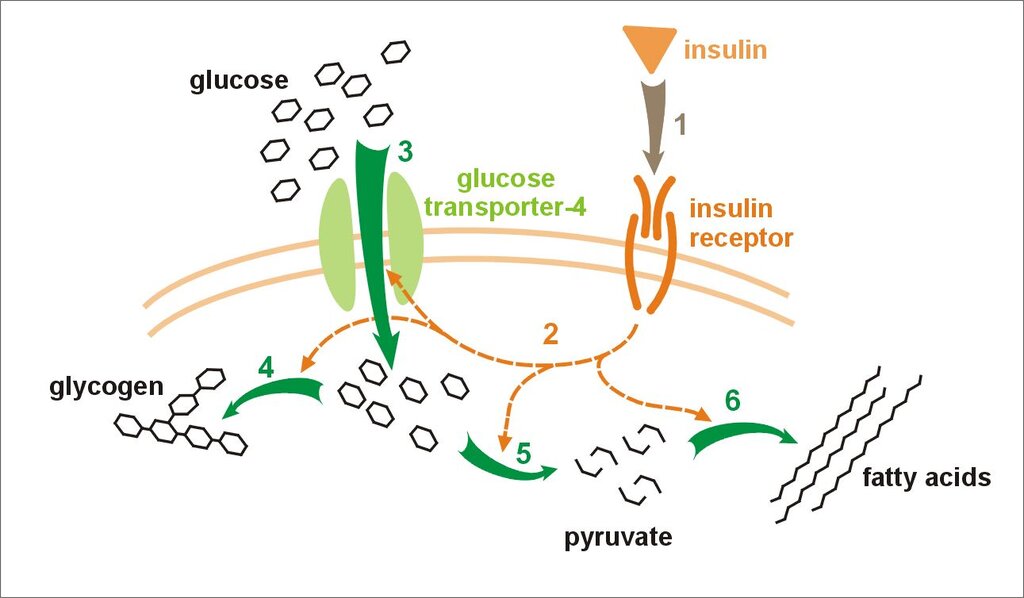
The fasted state begins after your body has finished processing your last meal, usually around 8 to 12 hours after eating. In this state, your insulin levels are low. With no incoming food energy, your body has to tap into its stored energy reserves. It first uses up stored glucose (glycogen) and then begins to burn stored fat for fuel.
Intermittent fasting is simply a way to extend the time your body spends in this fat-burning, fasted state.
Insulin
noun
A hormone produced by the pancreas that regulates the amount of glucose in the blood. High levels of insulin promote fat storage, while low levels allow the body to burn stored fat.
Beyond fat burning, fasting triggers other important cellular processes. One key process is autophagy, which is like your body's cellular cleanup crew. During autophagy, cells remove old, damaged proteins and other waste, which may help with cellular repair and longevity.
Benefits and Risks
The metabolic shifts caused by intermittent fasting can lead to several potential benefits. Many people use IF for weight management, as it can help you eat fewer calories and boost your metabolism. It can also improve metabolic health by increasing insulin sensitivity, which helps your body manage blood sugar more effectively.
However, intermittent fasting isn't for everyone. It can be challenging to stick to, and some people may experience side effects like hunger, irritability, and fatigue, especially when first starting. It's generally not recommended for individuals who are underweight, have a history of eating disorders, or are pregnant or breastfeeding. As with any significant change to your diet, it's wise to consult a healthcare professional first.
What is the primary principle that distinguishes intermittent fasting from most other diets?
During the 'fed state' (right after a meal), why is it more difficult for the body to burn fat?