The Language of Memes
Introduction to Memes
What Is a Meme?
Before it was a cat photo with a funny caption, a "meme" was a concept from biology. The idea is that culture evolves in a way that's similar to how living things do. Just as genes carry biological information from one generation to the next, memes carry cultural information from one mind to another.
The term was coined by evolutionary biologist Richard Dawkins in his 1976 book, The Selfish Gene. He needed a word for a unit of cultural transmission, like a catchy tune, a new fashion, or a way of building arches. He combined the Greek word mimeme (meaning "imitated thing") with the word "gene" to create "meme."
meme
noun
A unit of cultural information, such as an idea, behavior, or style, that spreads from person to person within a culture.
Dawkins argued that ideas, just like genes, compete for survival. The most successful ones are those that are good at getting themselves copied and passed on.
Memes, as defined by Richard Dawkins in The Selfish Gene (1976, 189-201), are units of cultural transmission that replicate and spread among individuals, evolving through variation and selection.
How Memes Spread
For a meme to survive and spread, it relies on a few key mechanisms, much like genetic evolution.
| Mechanism | In Biology (Genes) | In Culture (Memes) |
|---|---|---|
| Replication | Genes are copied through reproduction. | An idea is copied through imitation. |
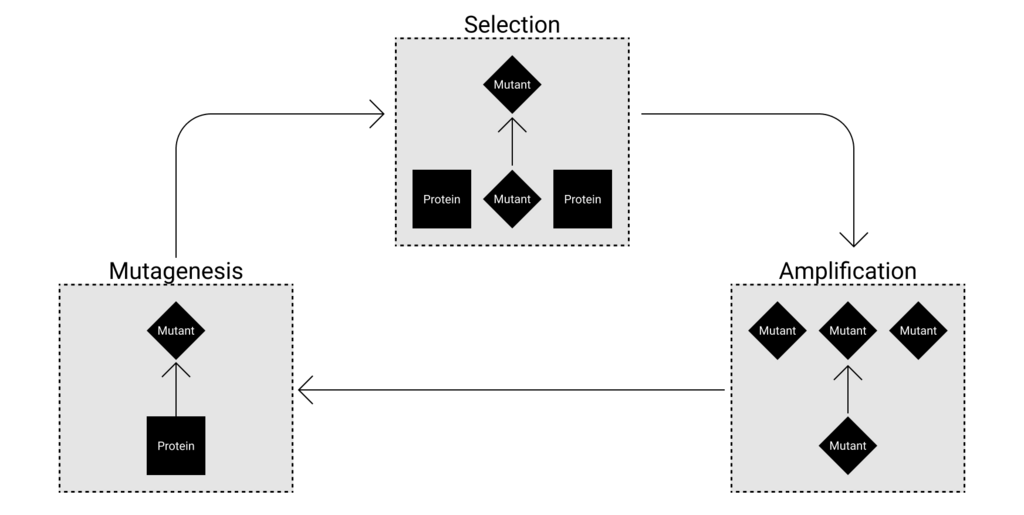
| Variation | Genetic mutations create new traits. | People alter or misinterpret the idea. |
| Selection | Traits that aid survival are passed on. | Ideas that are memorable or useful survive. |
Think of a simple nursery rhyme. It replicates when a parent teaches it to a child. Variation might occur if the child forgets a line and makes up a new one. If that new version is catchy, other children might pick it up, and through selection, this new version spreads. Most variations die out, but some thrive and evolve the original meme.
From Culture to Clicks
Dawkins' concept was created long before the internet became a part of daily life. But the internet turned out to be the perfect environment for memes to flourish. It acts as an incredible accelerator for the process of replication, variation, and selection.
An idea can now be copied and shared with millions in seconds. Variations can be created with simple image editing tools. Selection happens almost instantly through likes, shares, and comments. This is how the abstract idea of a meme became synonymous with the images, videos, and phrases that spread rapidly online.
The internet didn't invent the meme; it just gave it a superhighway.
While we now associate memes with online humor, the underlying concept is the same. They are still units of culture, transmitted from person to person. The only difference is the staggering speed and scale at which they now evolve.