The Language of Memes
Introduction to Memes
What Is a Meme?
Before there were internet memes, there was just the idea of a meme. The term was coined by evolutionary biologist Richard Dawkins in his 1976 book, The Selfish Gene. He needed a word for a unit of cultural inheritance, similar to how a gene is a unit of biological inheritance.
meme
noun
An element of a culture or system of behavior that may be considered to be passed from one individual to another by nongenetic means, especially imitation.
Dawkins imagined memes as tunes, ideas, catchphrases, or fashions that leap from brain to brain. A meme's success depends on its ability to be copied and spread. Think of a simple nursery rhyme like "Twinkle, Twinkle, Little Star." It has been passed down for generations, copied and sung countless times. That's a classic example of a meme in its original sense.
Memes, as defined by Richard Dawkins in The Selfish Gene (1976, 189-201), are units of cultural transmission that replicate and spread among individuals, evolving through variation and selection.
Memes Go Digital
The internet supercharged the concept of the meme. It provided a perfect environment for these cultural units to replicate and mutate at incredible speeds. Today, when we say "meme," we're almost always talking about an internet meme.
These digital memes are typically a combination of an image and text. They often follow a specific format or template, where the image stays the same but the text is changed to fit a new, often humorous, context. This adaptability is key to their survival and spread.
Think of the "Distracted Boyfriend" meme. The image shows a man looking at another woman while his girlfriend looks on, disapprovingly. The three people can be labeled to represent anything: a person choosing a new hobby over their responsibilities, a company chasing a new trend while ignoring its core product, and so on. The template is simple, versatile, and instantly recognizable.
Internet memes serve many purposes. They can be a simple inside joke shared among friends, a piece of social commentary, or even a vehicle for political messaging. They thrive on shared cultural knowledge, and understanding a meme often feels like being in on a secret.
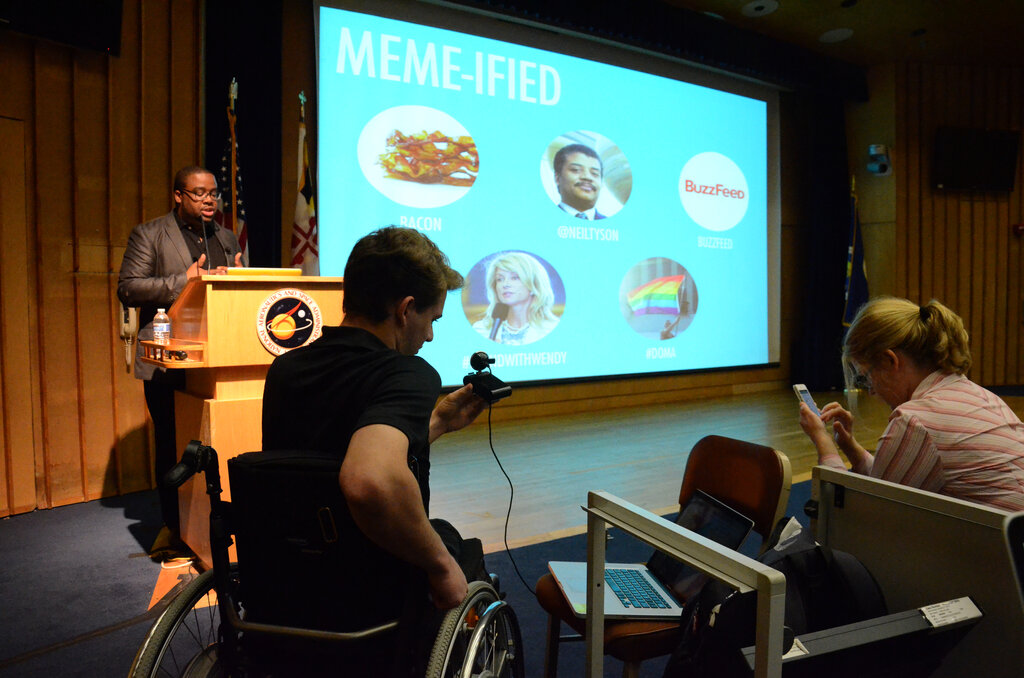
The Life of a Meme
A meme is born when someone combines an image and text in a clever way and shares it online. If it resonates with people, they share it, too. Others might take the original idea and create their own versions, adapting the joke to new situations. This process of sharing and remixing is how memes evolve.
Most memes have a short lifespan, burning brightly for a few weeks or months before fading into obscurity. But some have incredible staying power, becoming foundational pieces of internet culture. Websites and communities like Know Your Meme are dedicated to documenting the origins, spread, and variations of these digital artifacts.
By packaging ideas into a simple, shareable format, memes have become a dominant form of communication in the digital age. They are the catchphrases, inside jokes, and cultural touchstones of the online world.
Ready to test your knowledge? Let's see what you've learned about the world of memes.
Who first coined the term 'meme'?
In Richard Dawkins' original definition, a meme is a unit of ____.
You now have a solid foundation for understanding what memes are and where they came from. They are far more than just funny pictures; they are the building blocks of online culture.