The Language of Memes
Introduction to Memes
More Than Just a Joke
You’ve seen them everywhere: a cat with a grumpy face, a cartoon character looking at something new, or a screenshot from a movie with a funny caption. These are internet memes, but the idea behind them is much older than the internet itself.
At its core, a meme is a unit of culture. It’s an idea, behavior, or style that spreads from person to person within a culture. Think of a catchy tune you can’t get out of your head, a fashion trend, or a common saying. These are all memes in the original sense of the word.
Meme
noun
An element of a culture or system of behavior that may be considered to be passed from one individual to another by non-genetic means, especially imitation.
Dawkins coined the term to describe how cultural information spreads, drawing a parallel to the way genes spread biological information. He needed a word for a unit of cultural transmission. Just as genes replicate and spread through a gene pool, memes replicate and spread through a culture by being passed from brain to brain.
From Theory to Internet
The internet turned out to be the ultimate accelerator for memes. It allows ideas to be shared instantly with millions of people. Early internet memes were simple, like the “Dancing Baby” animation in the 1990s. But with the rise of social media, they evolved into the image-and-text format we're familiar with today.
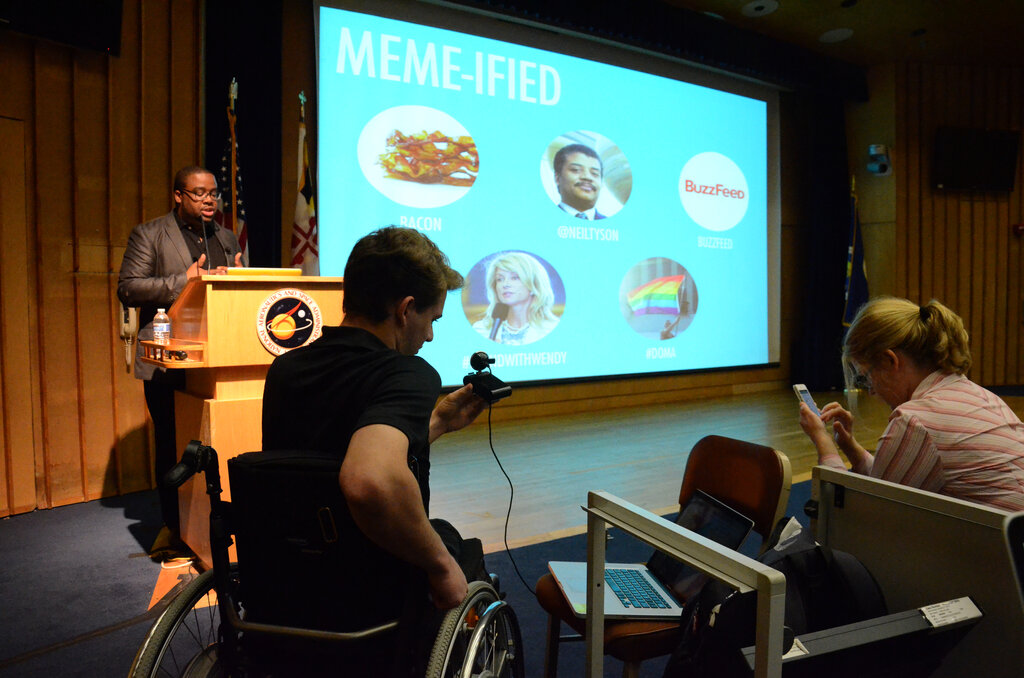
This digital evolution changed the game. Memes became faster, more visual, and more participatory. Anyone with a phone can create or share a meme, making them a truly democratic form of cultural expression.
The Anatomy of a Meme
Most modern internet memes have two basic parts: the template and the caption. The template is the visual element, usually a familiar image, GIF, or video clip. It provides the context or the base emotion.
The caption is the text overlaid on the image. This is where the remixing happens. The caption recontextualizes the image, applying it to a new, often relatable or humorous, situation. The magic of a meme comes from the combination of a familiar image with a clever, new caption. The same template can be used to create thousands of different jokes or observations.
A New Kind of Language
Memes aren't just for laughs; they're a powerful form of communication. They can convey complex feelings and shared experiences in a single, glanceable image. When you share a meme with a friend and they instantly get it, you're tapping into a shared cultural understanding.
This shared understanding allows memes to act as inside jokes for the entire internet. They create a sense of community among people who might have never met but share the same online culture.
Because they're so easy to create and share, memes have become a go-to tool for social commentary, political satire, and marketing. They can distill a big idea into a simple, shareable package, making it incredibly effective for spreading a message quickly.
They are a language of the internet, constantly evolving and adapting. Understanding them is a key part of digital literacy. They are not just silly pictures, but a reflection of our culture, our humor, and the way we connect with each other online.
According to its original definition, what is a meme?
The term "meme" was coined to draw a parallel between the spread of cultural ideas and what other concept?