The Language of Memes
Introduction to Memes
Before the Internet
When you hear the word “meme,” you probably think of a funny picture with a caption shared on social media. But the idea is much older and broader than the internet. At its core, a meme is simply an idea, behavior, or style that spreads from person to person within a culture.
meme
noun
An element of a culture or system of behavior that may be considered to be passed from one individual to another by nongenetic means, especially imitation.
The term was coined by evolutionary biologist Richard Dawkins in his 1976 book, The Selfish Gene. He wanted a word to describe how cultural information spreads, similar to how genes transmit biological information. He shortened the Greek word mimeme, meaning “imitated thing,” to “meme” so it would sound a bit like “gene.”
Memes, as defined by Richard Dawkins in The Selfish Gene (1976, 189-201), are units of cultural transmission that replicate and spread among individuals, evolving through variation and selection.
Dawkins saw culture as an evolutionary system. Just like genes, memes compete for our attention. The successful ones survive and spread, while the unsuccessful ones fade away. Think of fashion trends, catchy song melodies, or architectural styles. These are all memes that propagate through society.
How Memes Spread
For a meme to spread, it needs to replicate. In the world of ideas, replication happens through imitation and sharing. This process mirrors biological evolution, relying on three key stages: variation, selection, and amplification.
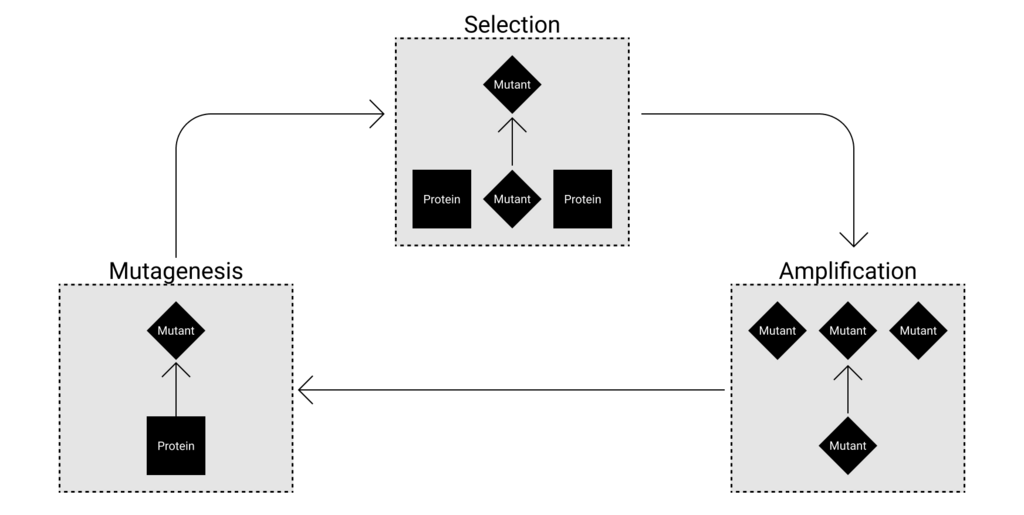
1. Mutagenesis (Variation): An idea changes. Someone tells a joke but alters the punchline, or a musician adds a new flourish to a traditional melody. These small changes create new versions of the original meme.
2. Selection: Some variations are more successful than others. A catchier tune or a funnier joke is more likely to be remembered and repeated. The environment—in this case, the culture and the minds of individuals—selects which memes are “fittest” to survive.
3. Amplification (Replication): The successful variations are copied and spread. People imitate the fashion trend, sing the catchy song, or retell the modified joke. This creates more copies of the meme, increasing its chances of spreading even further.
The Digital Catalyst
Dawkins’ concept existed for decades before the internet gave it a new life. The web created the perfect ecosystem for memes to spread faster and wider than ever before. It dramatically accelerated the evolutionary cycle.
Digital platforms allow for instant replication (sharing with a click) and easy variation (editing an image or text). The selection process is also turbocharged. A meme's success is measured in likes, shares, and views, allowing the most engaging versions to rise to the top with astonishing speed. The internet didn't invent memes, but it became their ultimate breeding ground.
While the term might be modern, the mechanism is ancient. Every shared story, belief, and custom is a testament to the power of the meme.
With this foundation, we can explore the specific forms that internet memes take and how they've become a unique language for online communication.