The Language of Memes
Introduction to Memes
What is a Meme?
When you hear the word “meme,” you probably think of a funny image with a clever caption shared on the internet. You’re not wrong, but the idea is much older and broader than you might expect. Before memes were about cats or pop culture references, they were a concept for explaining how ideas themselves spread and evolve.
At its core, a meme is simply a unit of culture. It can be an idea, a behavior, a style, or a piece of media that spreads from person to person within a culture. Think of a catchy tune you can’t get out of your head, a popular slang word, or a specific fashion trend. These are all examples of memes in action.
meme
noun
An element of a culture or system of behavior that may be considered to be passed from one individual to another by non-genetic means, especially imitation.
The Original Concept
The term was coined in 1976 by evolutionary biologist Richard Dawkins in his book The Selfish Gene. He needed a word to describe a unit of cultural transmission, similar to how a gene is a unit of biological transmission. He shortened the Greek word mimeme, meaning “imitated thing,” to “meme” to make it sound a bit like “gene.”
Memes, as defined by Richard Dawkins in The Selfish Gene (1976, 189-201), are units of cultural transmission that replicate and spread among individuals, evolving through variation and selection.
Dawkins argued that ideas could replicate and evolve in a way similar to living organisms. Some ideas are better at getting themselves copied and passed on than others. Just as genes compete for survival in the gene pool, memes compete for attention and retention in the pool of human culture. A catchy melody, a useful farming technique, or a compelling story survives and spreads because it is memorable, useful, or emotionally resonant. The ideas that aren't as effective simply fade away.
Memes Go Digital
For decades, the concept of the meme remained mostly in academic circles. Then came the internet. The digital world turned out to be the perfect incubator for memes, allowing them to replicate and spread at a speed Dawkins could have never imagined.
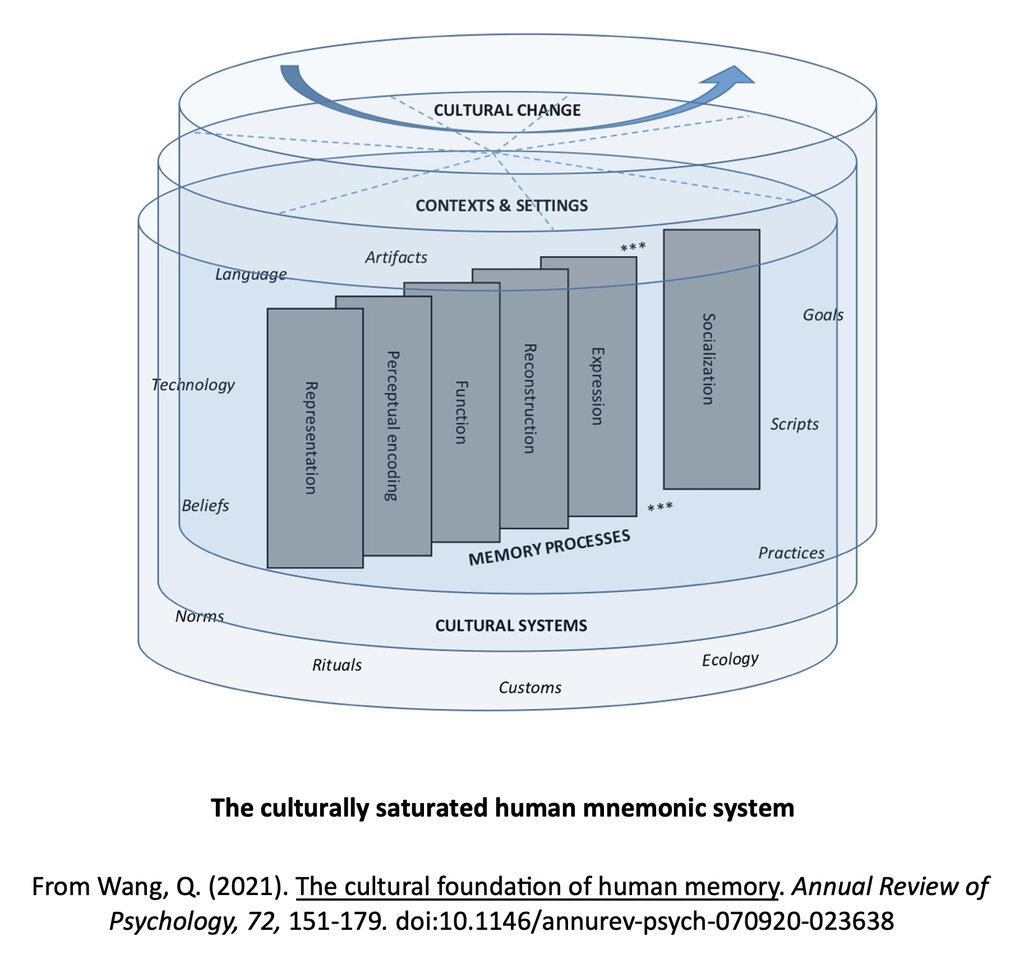
Online, memes took on a more specific form. They became packaged, shareable pieces of content: images with text overlays, short video clips, GIFs, and viral challenges. The core principles remained the same. Memes that were relatable, funny, or clever were shared widely, while others disappeared. Users also modified them, creating slight variations that competed for popularity, mirroring the process of evolution.
The internet didn't invent memes; it just gave them a global nervous system to travel through.
Today’s internet meme is a specific, highly visible type of the broader concept Dawkins described. It is still a unit of cultural transmission, but one that has been supercharged by technology. Understanding this origin helps explain why memes are more than just jokes; they are fundamental artifacts of how we share and shape culture in the digital age.