The Lancea and the Ideal Machine
Introduction to the Lancea
The Lancea
While the heavy pilum was the signature javelin of the Roman legionary, the auxiliary troops relied on a different, more versatile weapon: the lancea. This lighter javelin served as a key piece of equipment for the non-citizen soldiers who supported the legions.
Design and Function
The lancea was built for practicality. It consisted of a short wooden shaft, typically around 2 meters (about 6.5 feet) long, tipped with a small, leaf-shaped iron head. This design made it light enough to be thrown a considerable distance but sturdy enough to be used in hand-to-hand combat if necessary.
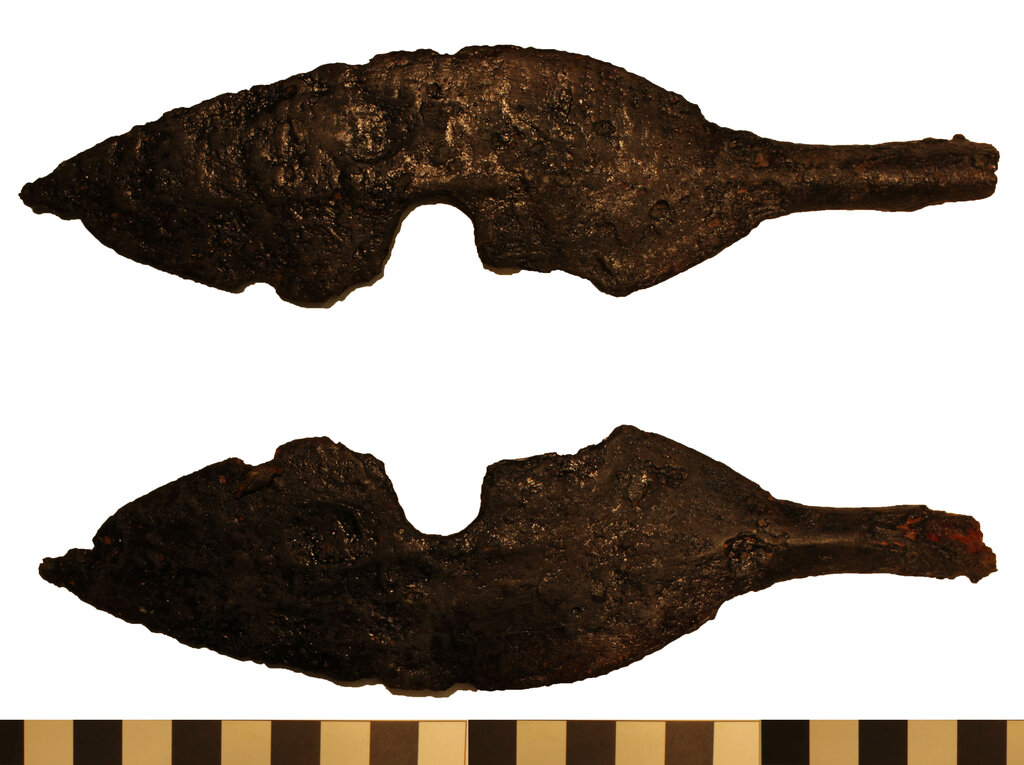
Unlike the pilum, which was designed to bend and become unusable after a single throw, the lancea was a reusable weapon. An auxiliary could carry several into battle. Its primary function was to be hurled at the enemy from a distance to disrupt their formations before a charge. However, its balanced design and solid construction also made it a capable thrusting spear in close quarters, a flexibility the pilum lacked.
Compared to Other Weapons
The Roman army used a variety of polearms, and it's easy to confuse them. The lancea stands out for its specific role and users. It was the multi-purpose javelin of the auxiliaries, distinct from the legionary's heavy pilum and the dedicated thrusting spear, the hasta.
| Feature | Lancea | Pilum | Hasta |
|---|---|---|---|
| Primary User | Auxiliary Soldiers | Legionaries | Early Legionaries, Triarii |
| Primary Use | Throwing (Javelin) | Throwing (Javelin) | Thrusting (Spear) |
| Weight | Lighter | Heavier | Heavy |
| Design | Short wood shaft, small metal head | Long metal shank, designed to bend | Long wood shaft, large spearhead |
| Reusability | Reusable | Often single-use | Reusable |
The soldiers who wielded this weapon were known by a specific name.
Lancearii
noun
Roman soldiers, typically auxiliaries or later-period cavalry, who were armed with the lancea.
As the Roman military evolved, the lancearii became more common, especially in the later empire. Their flexible fighting style, combining ranged attacks with close-combat capability, proved valuable on many battlefields.
The lancea was the primary javelin for which type of Roman soldier?
A key design difference between the lancea and the pilum was that the lancea was...
The lancea equipped Rome's auxiliary forces with a reliable and adaptable weapon, proving that the army's strength lay not just in its legions, but in its supporting troops as well.