The KRTO Diet Explained
Introduction to the KRTO Diet
What is the Keto Diet?
The ketogenic diet, or keto for short, is a way of eating that flips the body's primary energy source. Instead of burning carbohydrates for fuel, your body starts burning fat. This is achieved by eating a diet that is very high in fat, moderate in protein, and extremely low in carbohydrates.
This diet isn't a new trend. It was originally developed in the 1920s as a medical therapy to treat epilepsy in children, especially for cases that didn't respond to medication. The goal was to mimic the metabolic effects of fasting, which had been observed to reduce seizures for centuries.
A Different Mix of Macros
Most standard diets draw a significant amount of energy from carbohydrates like bread, pasta, and sugar. The keto diet drastically changes this balance. The focus shifts to fats, which become the main source of calories.
A ketogenic diet is very low in carbohydrates (usually less than 5% to 10% of total calories), high in fats (70% to 80% of total calories) and moderate in protein (about 10% to 25% of total calories).
This shift in macronutrients is the key to how the diet works. Keeping carbohydrate intake very low, typically under 50 grams per day, is crucial. This forces the body to find a new way to power itself.
Entering Ketosis
Ordinarily, your body breaks down carbohydrates into glucose, a simple sugar that provides energy to your cells. When you drastically cut carbs, your body's glucose reserves get depleted. With its primary fuel gone, the body enters a metabolic state called ketosis.
In ketosis, your liver starts breaking down fats into molecules called ketones. These ketones are then released into the bloodstream and used by your brain and other organs as an alternative source of energy. Think of it like a hybrid car switching from gas to electric power when one source runs low.
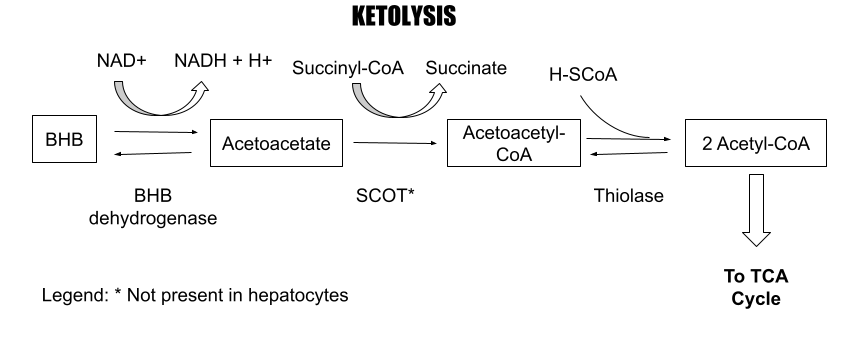
This metabolic switch from using glucose to using ketones is the entire physiological basis of the ketogenic diet. The body becomes incredibly efficient at burning fat for energy. Reaching this state is the fundamental goal for anyone following the diet.
What is the primary metabolic shift that the ketogenic diet aims to achieve?
The ketogenic diet was originally developed in the 1920s to treat which medical condition?
The keto diet reconfigures how your body produces energy by changing the fuel it runs on. By understanding the core principles of macronutrient balance and the process of ketosis, you have the foundation for exploring this unique dietary approach.