The Krebs Cycle Unraveled
Introduction to Cellular Respiration
The Cell's Power Plant
Every move you make, every thought you have, requires energy. But how does your body get that energy from the food you eat? The answer lies in a process happening trillions of times a second inside your cells: cellular respiration. It's how cells convert the chemical energy locked in food, primarily a sugar called glucose, into a form they can actually use.
Think of it like this: your car can't run on crude oil. The oil must be refined into gasoline first. Similarly, a cell can't directly use a big molecule like glucose for most of its jobs. It needs to refine it into a smaller, more versatile energy packet. This universal energy packet is a molecule called Adenosine Triphosphate, or ATP.
ATP
noun
Adenosine Triphosphate. A molecule that carries energy within cells. It is the main energy currency of the cell, and it is an end product of the processes of photophosphorylation (adding a phosphate group to a molecule using energy from light), cellular respiration, and fermentation.
When a cell needs to perform a task, it
ATP is like the cell's rechargeable battery. When it's fully charged (as ATP), it can power cellular work. After it's used, it becomes a
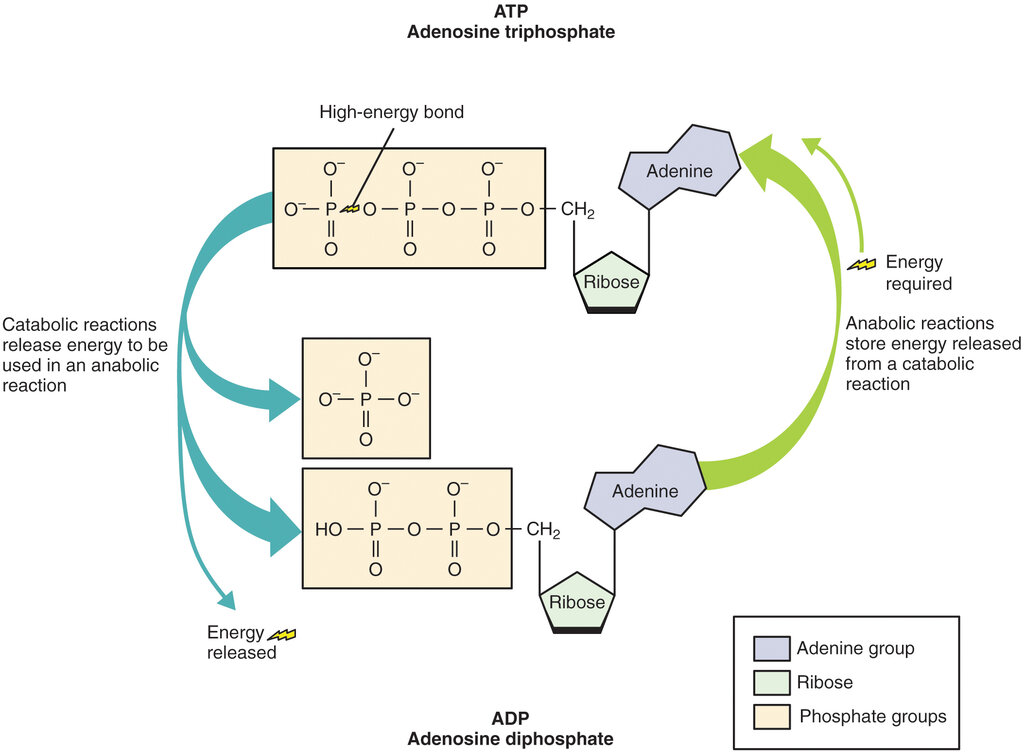
The overall goal of cellular respiration is to produce as much ATP as possible from a single molecule of glucose. It's a highly efficient process that can be summed up with this general reaction: Glucose and oxygen are used to produce carbon dioxide, water, and a lot of ATP.
A Three-Stage Assembly Line
Cellular respiration isn't a single event. It’s a metabolic pathway, a series of connected chemical reactions that function like a factory's assembly line. The process is broken down into three main stages, each occurring in a specific part of the cell.
1. Glycolysis: The word itself means "sugar splitting." This first stage takes place in the cell's cytoplasm, the jelly-like substance filling the cell. Here, a single molecule of glucose (a 6-carbon sugar) is broken in half to form two smaller molecules called pyruvate. This process doesn't require oxygen and it generates a small, quick burst of ATP.
2. The Krebs Cycle: This stage, also known as the citric acid cycle, takes place inside the mitochondria, the cell's famous "powerhouses." The pyruvate molecules from glycolysis are transported here and completely broken down. With each turn of the cycle, the chemical energy from pyruvate is captured, producing a tiny bit more ATP and releasing carbon dioxide as a waste product. More importantly, the Krebs Cycle loads up special electron-carrying molecules (NADH and FADH₂) with high-energy electrons, preparing them for the final stage.
“power plants” of the cell; sites of oxidative metabolism- make ATP
3. Oxidative Phosphorylation: This is the main event and the primary reason we breathe oxygen. It also occurs in the mitochondria. The high-energy electrons carried by NADH and FADH₂ are passed down an "electron transport chain," a series of proteins embedded in the inner mitochondrial membrane. As the electrons move, they release energy, which is used to pump protons and create a gradient. Oxygen acts as the final electron acceptor at the end of the chain, combining with electrons and protons to form water. The energy stored in the proton gradient then powers a molecular machine called ATP synthase, which churns out the vast majority of the cell's ATP.
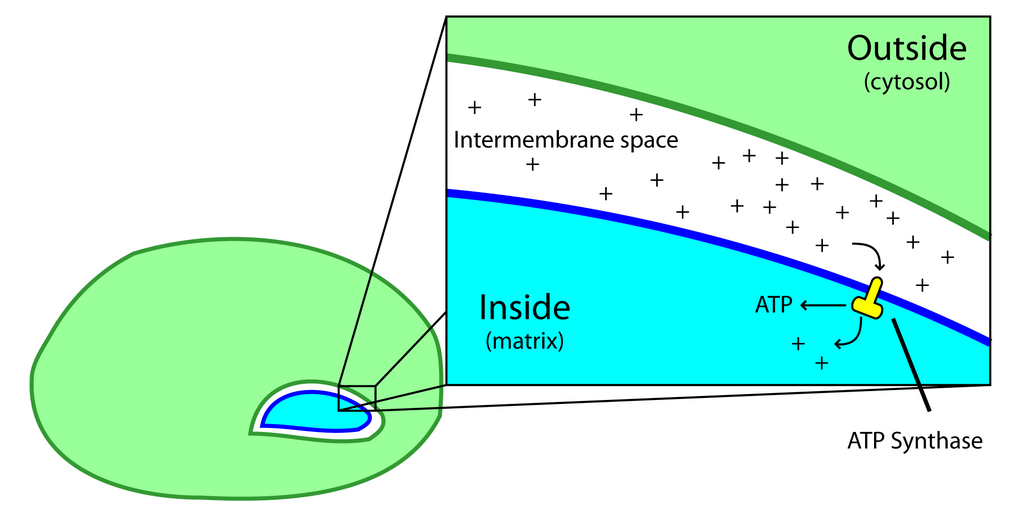
Each stage feeds directly into the next. The pyruvate from glycolysis is the fuel for the Krebs cycle, and the electron carriers from the Krebs cycle are the power source for oxidative phosphorylation. Together, they form a coordinated pathway to extract the maximum amount of energy from glucose.
What is the primary goal of cellular respiration?
Where in the cell does glycolysis, the first stage of cellular respiration, occur?