The Krebs Cycle Explained
Introduction to Cellular Respiration
The Cell’s Power Plant
Every living thing, from the smallest bacterium to the largest whale, needs energy to survive. This energy powers everything from muscle movement to brain activity. But how do our cells get this energy from the food we eat? The process is called cellular respiration, and it's like a tiny power plant operating inside each of our cells.
The main goal of cellular respiration is to convert the chemical energy stored in nutrients, like glucose (a simple sugar), into a usable form of energy called adenosine triphosphate, or ATP. Think of ATP as the energy currency of the cell. Just as you use money to buy things, your cells “spend” ATP to get work done.
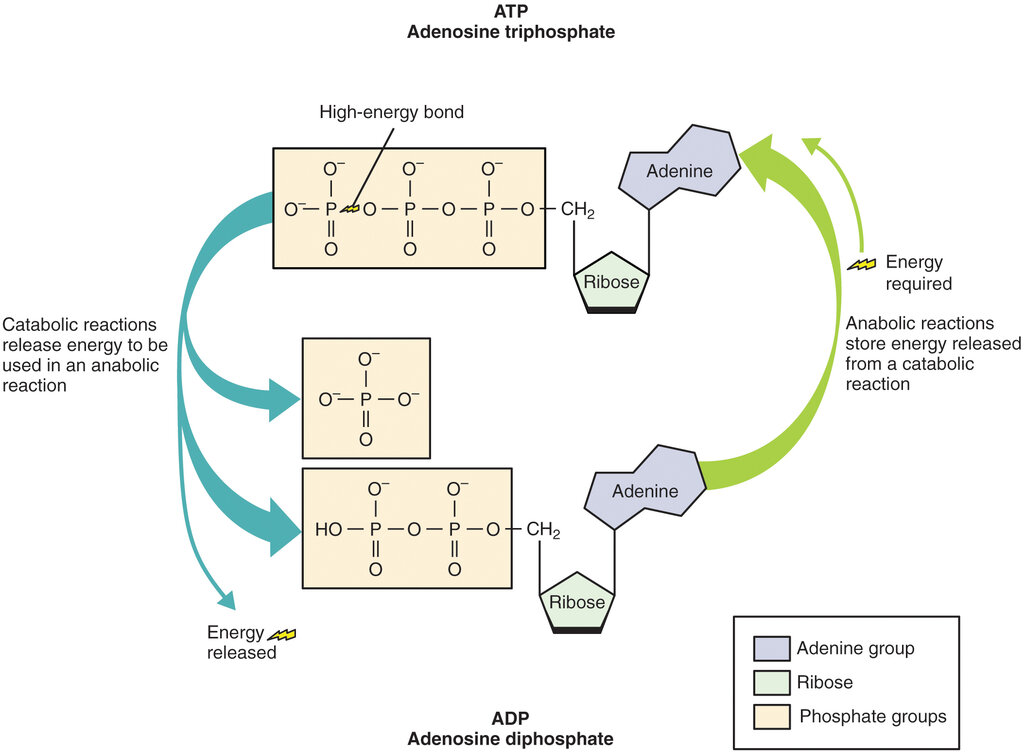
This energy conversion happens in three main stages, like a factory assembly line. First is glycolysis, followed by the Krebs cycle, and finally oxidative phosphorylation. Each stage breaks down the food molecules a little bit more, releasing energy along the way.
First Stop Glycolysis
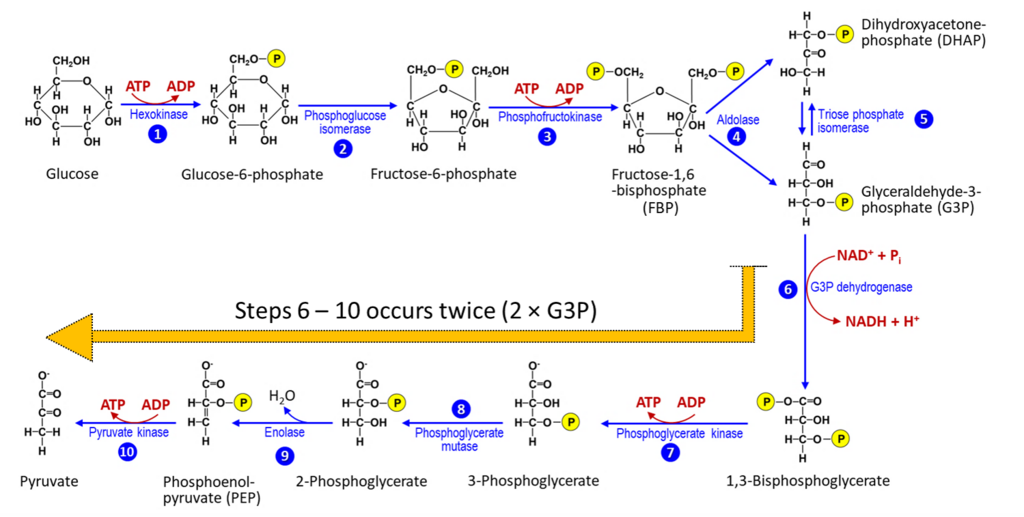
The process kicks off in the cell's cytoplasm with glycolysis, which literally means “sugar splitting.” This first stage doesn't require any oxygen to work. A single molecule of glucose, which has six carbon atoms, is split into two smaller molecules called pyruvate. Each pyruvate molecule has three carbon atoms.
On a macro level, glycolysis is the breakdown of glucose (a 6‑carbon sugar) into two molecules of pyruvate (a 3‑carbon compound).
While glycolysis splits glucose, it also produces a small but quick burst of energy. It generates two net molecules of ATP. More importantly, it creates other high-energy molecules, specifically NADH, which will be crucial for the final, most productive stage of cellular respiration.
Next The Krebs Cycle
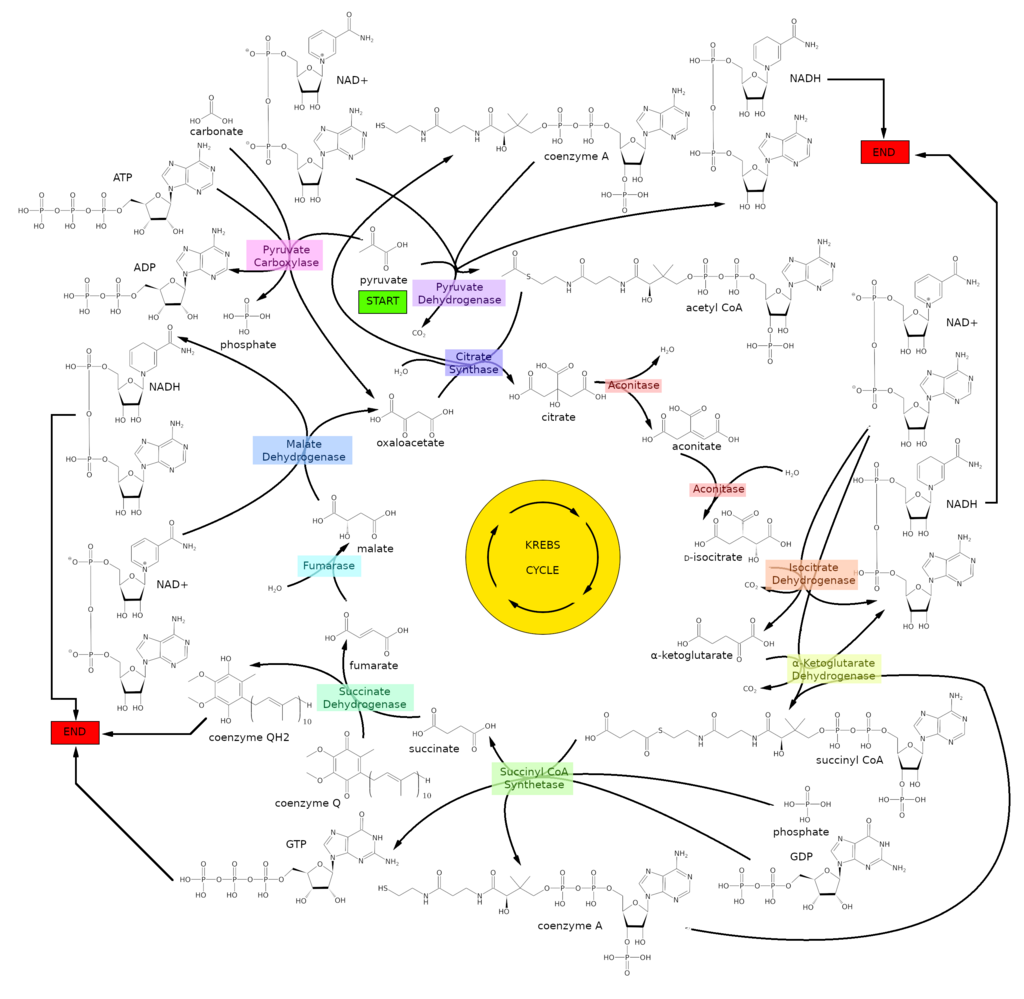
After glycolysis, the two pyruvate molecules move into the mitochondria, the cell's true powerhouses. Here, they enter the second stage: the Krebs cycle, also known as the citric acid cycle. Before the cycle can begin, each pyruvate is converted into a molecule called acetyl-CoA, releasing a molecule of carbon dioxide in the process.
The Krebs cycle is a series of chemical reactions that uses acetyl-CoA to generate more energy-carrying molecules. It doesn't produce a lot of ATP directly, only one molecule per turn. Instead, its main job is to produce a large quantity of the high-energy electron carriers NADH and FADH₂. These molecules are like rechargeable batteries, now fully charged and ready to power the final stage. The cycle also releases more carbon dioxide as a waste product, which is the same carbon dioxide we exhale when we breathe.
The Big Payoff Oxidative Phosphorylation
The final stage, oxidative phosphorylation, is where the vast majority of ATP is made. This process also takes place in the mitochondria and, unlike glycolysis, it requires oxygen. This is why we need to breathe.
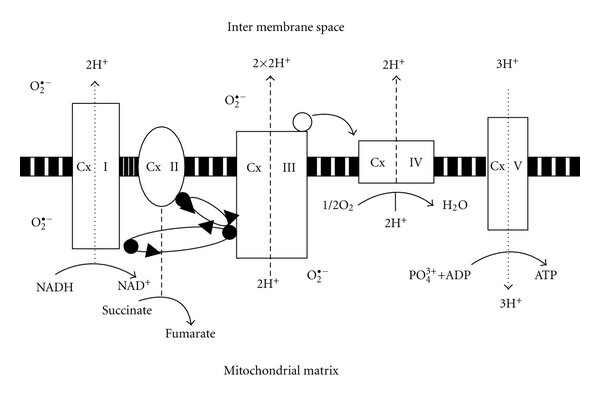
The NADH and FADH₂ molecules produced in the previous stages drop off their high-energy electrons to a series of proteins embedded in the mitochondrial membrane. This is called the electron transport chain. As electrons are passed down this chain, energy is released and used to pump protons across the membrane, creating a gradient.
Think of this gradient like water building up behind a dam. The potential energy is immense.
Finally, these protons flow back across the membrane through a special protein called ATP synthase. The flow of protons powers ATP synthase, which acts like a tiny turbine, spinning to produce large amounts of ATP from ADP. Oxygen's role is to act as the final electron acceptor at the end of the chain, forming water. Without oxygen, the chain would back up and stop, halting ATP production.
Together, these three stages efficiently extract the energy locked within a glucose molecule and convert it into the ATP that fuels our lives.