The Klotho Protein and Aging
Introduction to Klotho Protein
The Thread of Life
In 1997, scientists in Japan made a startling discovery. They were studying a strain of mice that aged remarkably fast, showing signs like brittle bones, hardened arteries, and a shortened lifespan. The cause turned out to be a single defective gene. They named this gene Klotho, after one of the three Fates in Greek mythology who spins the thread of life. It was a fitting name, as the protein this gene creates seems to play a crucial role in how we age.
The Klotho protein is produced mainly in the kidneys and the brain. It's a key player in a complex network that helps maintain our bodies, acting as a powerful anti-aging factor. When the Klotho gene works correctly, it helps protect against many age-related declines. When it's missing or defective, as in those lab mice, the aging process accelerates dramatically.
Two Forms, Two Functions
Klotho protein exists in two main forms. The first is the full-length version, which is a transmembrane protein. This means it's anchored into the outer membrane of a cell, with one part inside the cell and the other part sticking out into the space around it.
The part of the Klotho protein that extends from the cell surface is called the extracellular domain. It's composed of two repeating sections known as KL1 and KL2.
The second form is called soluble Klotho. This version isn't attached to a cell. Instead, it circulates freely in the bloodstream, cerebrospinal fluid, and urine. Soluble Klotho is created in two ways. It can be snipped off from the membrane-bound form by enzymes, or it can be produced directly from a slightly different version of the Klotho gene's instructions. This free-floating form can travel throughout the body and act like a hormone, influencing various tissues and organs.
A Crucial Partnership
One of Klotho's most important jobs involves teamwork. The membrane-bound form of Klotho acts as a co-receptor for a hormone called fibroblast growth factor 23, or FGF23. A receptor is like a lock on a cell's surface, and a hormone is the key. But in this case, the lock for FGF23 only works if Klotho is there to help.
FGF23's main role is to regulate the levels of phosphate in the blood. When phosphate levels get too high, the bones release FGF23. This hormone then travels to the kidneys to send a signal: get rid of the excess phosphate. However, kidney cells can't "hear" FGF23 on their own. They need Klotho to bind with both the FGF23 hormone and the cell's primary FGF receptor. Together, they form a complex that activates the signal.
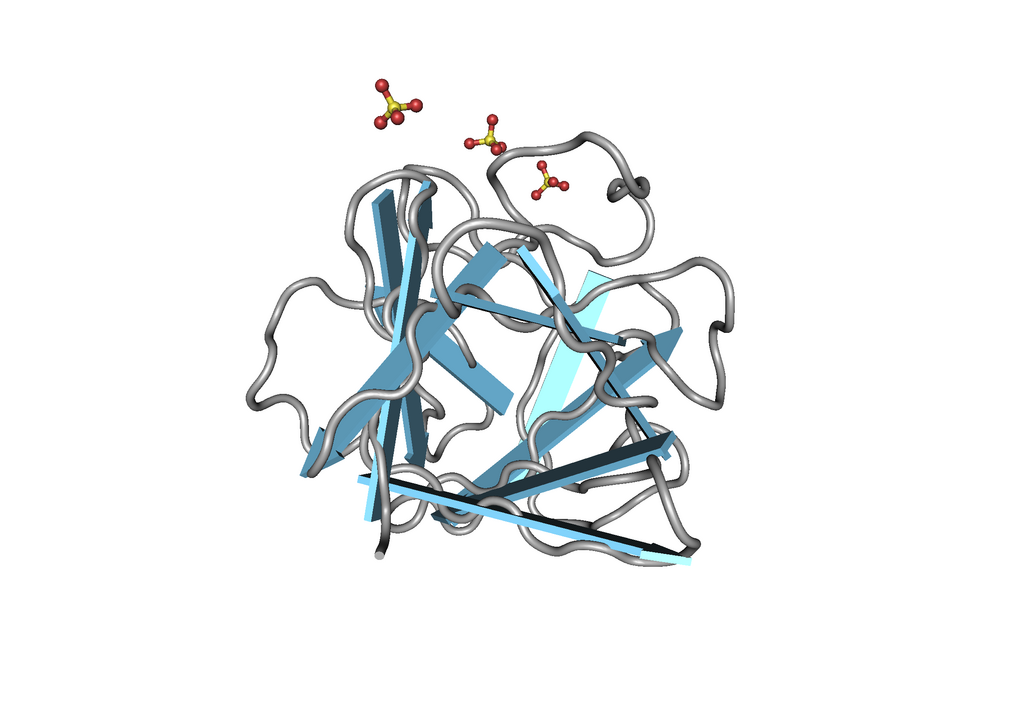
This partnership is vital for maintaining a healthy mineral balance in the body. Specifically, the Klotho-FGF23 axis is the master regulator of phosphate. High phosphate levels are toxic, contributing to vascular calcification (hardening of the arteries) and cellular damage. By ensuring the kidneys can respond to FGF23, Klotho helps prevent this buildup.
Think of it like a two-key system for a safe. FGF23 is one key, and Klotho is the other. You need both to unlock the kidney's phosphate-dumping mechanism.
This system also influences calcium levels. By controlling phosphate, the Klotho-FGF23 axis indirectly helps regulate calcium, as the two minerals are closely linked in the body. It also plays a role in managing the body's levels of active Vitamin D, another key component of calcium and bone health.
Understanding Klotho's fundamental roles as a co-receptor and a regulator of essential minerals provides the foundation for seeing how it impacts the aging process across the entire body.