The Ketogenic State Explained
Introduction to Metabolism
Your Body's Power Plant
Think of your body as a bustling city. It needs a constant supply of energy to keep the lights on, the factories running, and the transportation systems moving. This energy comes from the food you eat, and the process of converting that food into usable power is called metabolism. It’s the sum of all the chemical reactions that keep you alive, from breathing and thinking to digesting and moving.
Metabolism
noun
The chemical processes that occur within a living organism in order to maintain life.
This complex process happens inside your cells. Specialized proteins called enzymes act like tiny factory workers, breaking down nutrients and reassembling them into the specific molecules your body needs to function. This constant activity is what generates the energy for every single thing you do.
The Three Main Fuels
Your body gets its energy from three main sources, known as macronutrients: carbohydrates, fats, and proteins. Each one plays a unique role in fueling your body.
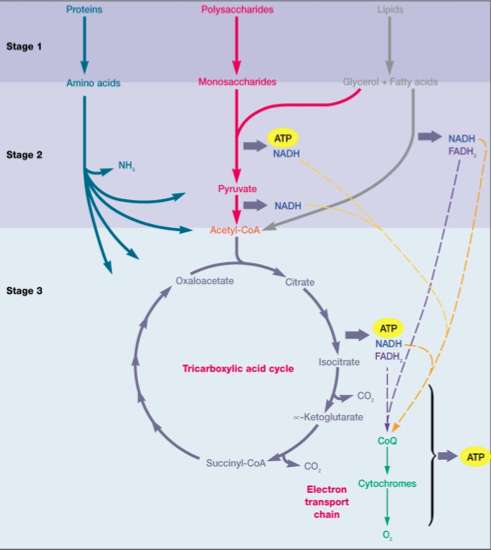
Carbohydrates are your body's preferred, quick-access fuel. When you eat carbs—like bread, fruit, or pasta—your body breaks them down into a simple sugar called glucose. Glucose enters your bloodstream and is delivered to your cells, providing a fast and efficient source of energy. Think of carbs as the kindling for a fire; they catch quickly and provide an immediate burst of heat.
Fats, or lipids, are the body’s long-term energy reserve. They are more energy-dense than carbohydrates, meaning they pack more power per gram. When you don't need immediate energy, your body stores fats for later use. They're like the big logs on a fire, burning slowly and steadily to provide long-lasting warmth.
Proteins are primarily the building blocks for your body. They're essential for building and repairing tissues, making enzymes, and supporting your immune system. While your body can use protein for energy, it's a last resort. It prefers to save protein for its crucial construction and repair jobs, much like you wouldn't burn the bricks of your house for heat unless you had no other choice.
| Macronutrient | Primary Role | Energy Density |
|---|---|---|
| Carbohydrates | Quick Energy | 4 calories/gram |
| Fats (Lipids) | Energy Storage | 9 calories/gram |
| Proteins | Building & Repair | 4 calories/gram |
The Energy Balancing Act
Your body is constantly performing a delicate balancing act with energy. This is often described as "calories in, calories out." The energy you consume from food (calories in) is used to power three main things:
- Basal Metabolic Rate (BMR): This is the energy your body needs just to stay alive at rest—for breathing, circulating blood, and maintaining body temperature. It's the biggest chunk of your daily energy use.
- Thermic Effect of Food (TEF): Your body uses energy to digest, absorb, and process the food you eat.
- Physical Activity: This is the energy you burn through movement, from walking to the kitchen to running a marathon.
When you consume more energy than you expend, your body stores the excess, usually as fat. This is a survival mechanism, saving energy for times when food might be scarce. When you expend more energy than you consume, your body taps into these stored reserves to make up the difference.
This intricate system ensures your body has the fuel it needs, when it needs it, by constantly adjusting to your diet and activity level. Understanding this foundation is key to grasping how different metabolic states work.