The Ketogenic Diet with Dom D'Agostino
Introduction to the Ketogenic Diet
Rethinking Your Fuel Source
Most of us run on carbohydrates. When you eat bread, pasta, or fruit, your body breaks them down into a simple sugar called glucose. This glucose enters your bloodstream and becomes the primary source of energy for your cells, especially your brain.
The ketogenic diet, or keto for short, flips this script entirely. It's a way of eating that's very low in carbohydrates, moderate in protein, and high in fat. The goal is simple but profound: to shift your body's metabolism away from using glucose for energy and toward using fat.
By drastically reducing carbs, you force your body to find an alternative fuel. That alternative fuel comes from fat, in the form of molecules called ketones.
Entering Ketosis
When you starve your body of carbohydrates for a few days, your glucose reserves run low. In response, your liver begins to break down fatty acids, from both the food you eat and your body's own fat stores. This process, called ketogenesis, produces ketone bodies.
These ketones are then released into the bloodstream and are transported throughout the body to be used as fuel. When your body is primarily using ketones for energy, you're in a metabolic state called ketosis.
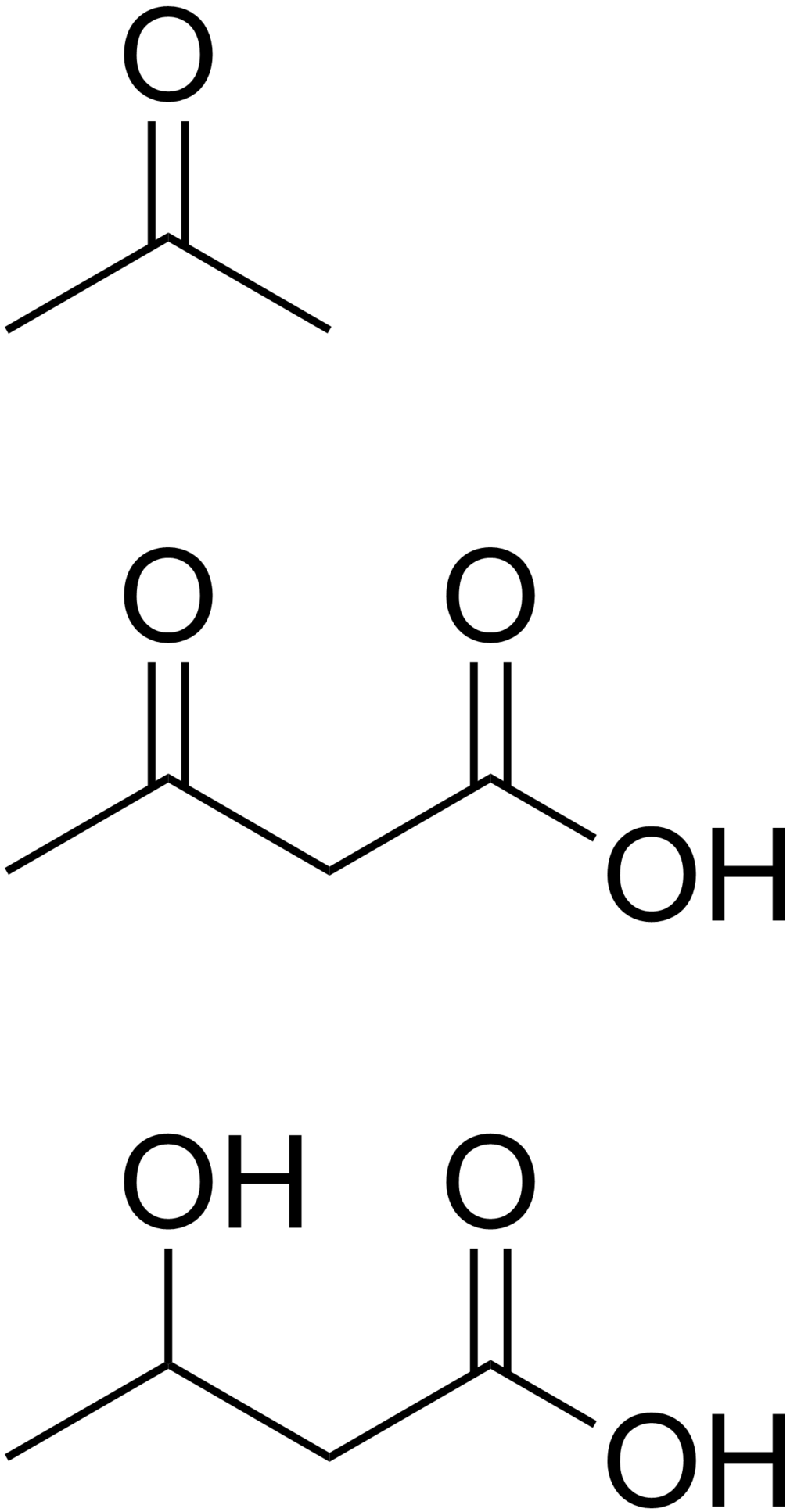
The brain, which is a very energy-hungry organ, can't use fatty acids directly. It usually relies on a steady supply of glucose. However, it can adapt to use ketones for a large portion of its energy needs. This is a key survival mechanism that allows our brains to function even during periods of low food availability.
Keto Macronutrients
To achieve and maintain ketosis, the diet requires a specific balance of macronutrients, or "macros." This balance is quite different from what's found in a typical Western diet.
As you can see, fat makes up the vast majority of calories. Carbohydrate intake is typically limited to under 50 grams per day, and sometimes as low as 20 grams. This means foods like grains, sugar, legumes, and even most fruits are eliminated or severely restricted.
Protein intake is kept moderate. Eating too much protein can be converted into glucose in the body through a process called gluconeogenesis, which could prevent or kick you out of ketosis.
A Medical History
While the ketogenic diet has gained mainstream popularity recently, its roots are firmly in medicine. In the 1920s, doctors at the Mayo Clinic were looking for a way to treat epilepsy in children who didn't respond to medication.
They observed that fasting, or abstaining from food, had been used to control seizures since ancient times. Fasting, of course, induces ketosis. The challenge was that a person can't fast forever. Dr. Russell Wilder proposed a diet that could mimic the metabolic effects of fasting. By removing carbohydrates and increasing fat, he was able to induce ketosis without complete calorie restriction.
This high-fat, low-carb diet proved to be a successful therapy for many children with epilepsy, and it was widely used for decades before the development of new anti-seizure medications.
So, while it's now known for other reasons, the ketogenic diet began as a carefully designed medical intervention to change the body's fundamental metabolic state.