The Ketogenic Diet Explained
Introduction to the Ketogenic Diet
What Is the Keto Diet?
The ketogenic diet flips the script on how our bodies get energy. Normally, your body runs on glucose, a type of sugar that comes from carbohydrates like bread, pasta, and fruits. The keto diet drastically cuts down on carbs and replaces them with fats. This forces your body to find a new primary fuel source.
The ketogenic (keto) diet is a high-fat, low-carbohydrate diet that aims to induce ketosis, a metabolic state in which the body burns fat as its main fuel source instead of carbohydrates.
Think of your body like a hybrid car. Most of the time, it runs on electricity (glucose). If you cut off the electricity supply, the car seamlessly switches to its gasoline engine (fat) to keep moving. The keto diet is like intentionally draining the battery to make the car use gas. This metabolic switch is the core principle of the diet.
A Brief History
The keto diet isn't a new fad. Its roots go back to the 1920s, when it was developed as a therapeutic diet for children with epilepsy who didn't respond to medication. Researchers discovered that fasting helped reduce seizures, and the ketogenic diet was designed to mimic the metabolic effects of fasting without the need to stop eating entirely. For decades, it remained a medical tool, only recently gaining popularity for other purposes.
The Macronutrient Shift
Following a ketogenic diet means paying close attention to your macronutrients, or "macros": fat, protein, and carbohydrates. The typical distribution is quite different from a standard diet.
| Macronutrient | Standard Diet | Ketogenic Diet |
|---|---|---|
| Fat | 20-35% | 55-60% |
| Protein | 10-35% | 30-35% |
| Carbohydrates | 45-65% | 5-10% |
As you can see, fat becomes the main source of calories, while carbohydrates are reduced to a bare minimum. Protein intake is kept moderate. This specific balance is crucial for triggering the metabolic state at the heart of the diet: ketosis.
Entering Ketosis
So what happens when you slash your carb intake? Without enough glucose from carbs, your body starts breaking down stored fat for energy. This process, which happens in the liver, produces molecules called ketone bodies.
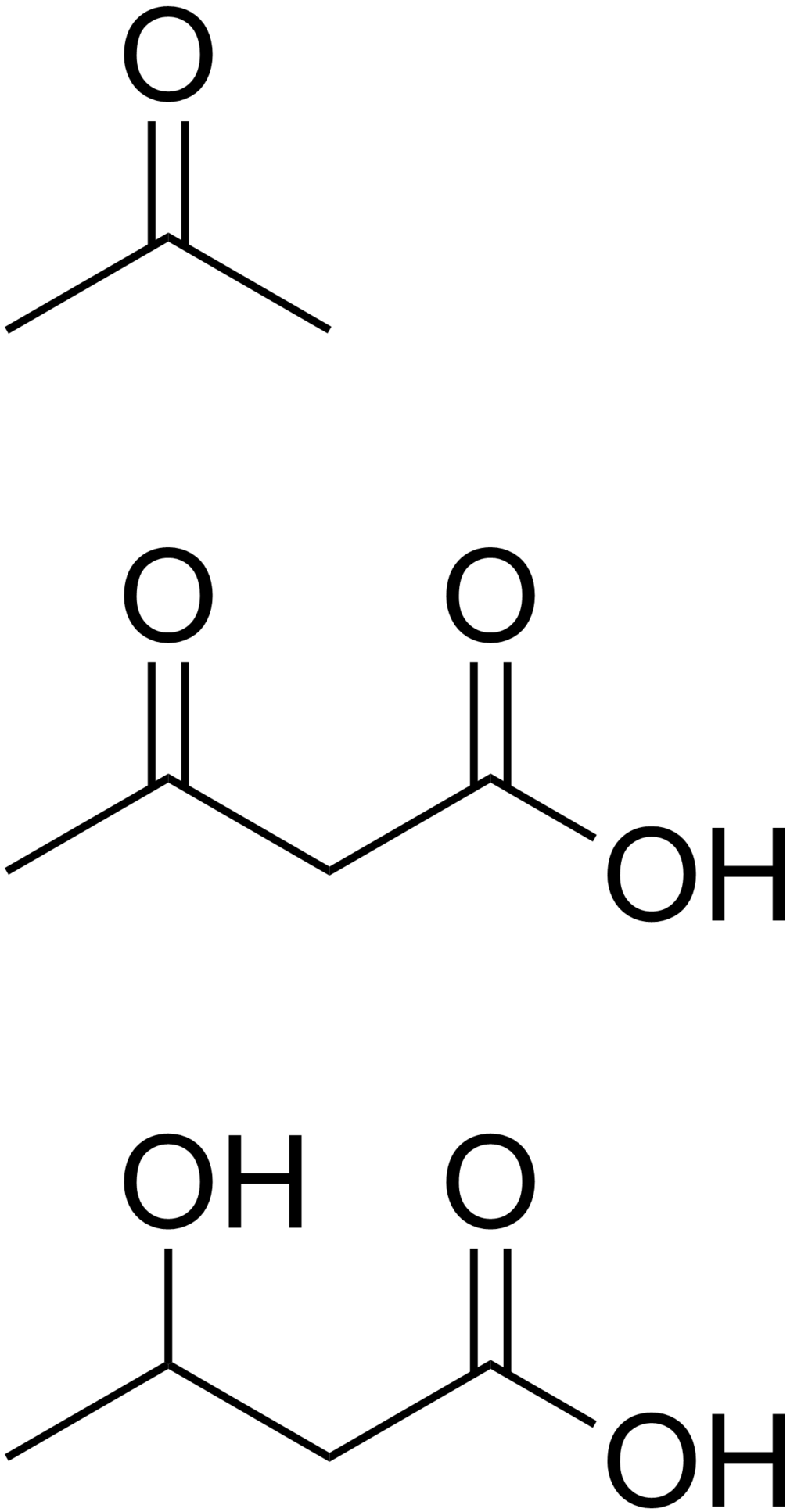
ketosis
noun
A metabolic state where the body uses fat and ketones for fuel instead of glucose.
When these ketones build up in your bloodstream, your body enters a state called ketosis. Your brain and other organs then start using these ketones for energy. This shift from using glucose to using ketones is the entire goal of the diet. To achieve and maintain it, carbohydrate intake is usually limited to under 50 grams per day.
Ketosis is the destination. The strict macronutrient ratio is the map that gets you there.
Now that you understand the basic framework, let's test your knowledge.
What is the primary fuel source for the body when it is in a state of ketosis?
The ketogenic diet was originally developed in the 1920s for what medical purpose?
This dietary approach is a significant change from typical eating patterns. Understanding the core concepts of macros and ketosis is the first step.