The Ketogenic Diet Explained
Introduction to Ketogenic Diet
The Body's Alternate Fuel
Your body typically runs on glucose, a sugar derived from the carbohydrates you eat. It’s a reliable and easy-to-access source of energy. But what happens when you take away the carbs? Your body doesn't just shut down; it switches to a different fuel source. This is the core idea behind the ketogenic, or keto, diet.
The ketogenic (keto) diet is a high-fat, low-carbohydrate diet that aims to induce ketosis, a metabolic state in which the body burns fat as its main fuel source instead of carbohydrates.
While it has gained recent popularity for weight loss, the keto diet isn't new. It was developed in the 1920s as a medical therapy for children with epilepsy who didn't respond to other treatments. Doctors discovered that drastically changing the body's fuel source could have profound effects on brain activity. This observation laid the groundwork for our modern understanding of the diet.
Flipping the Food Pyramid
A standard diet is heavy on carbohydrates. The ketogenic diet flips this on its head. Instead of carbs, the vast majority of calories come from fat. The goal is to shift your body's metabolic engine.
The typical macronutrient breakdown for a ketogenic diet is:
- Fat: 55% to 60%
- Protein: 30% to 35%
- Carbohydrates: 5% to 10%
This isn't just about eating fewer carbs; it's a fundamental change in your body's energy economy. By severely limiting glucose, you force your body to find another way to power itself.
This drastic reduction in carbohydrates is what pushes the body into a new metabolic state.
Welcome to Ketosis
When you starve your body of carbohydrates, your liver begins to break down fat into molecules called ketone bodies. This process is called ketogenesis. These ketones are then released into the bloodstream and used by your cells, including your brain cells, as fuel. When ketone levels in the blood rise to a certain point, you've entered a state known as nutritional ketosis.
Ketosis
noun
A metabolic state in which the body uses fat and ketones for fuel instead of glucose.
It's important to understand that this is a controlled, natural process. Your body is well-equipped to use fat for energy. Ketosis simply makes it the primary source instead of the backup. This metabolic switch also tends to improve insulin sensitivity, as the body is no longer dealing with constant spikes in blood sugar from carbohydrates.
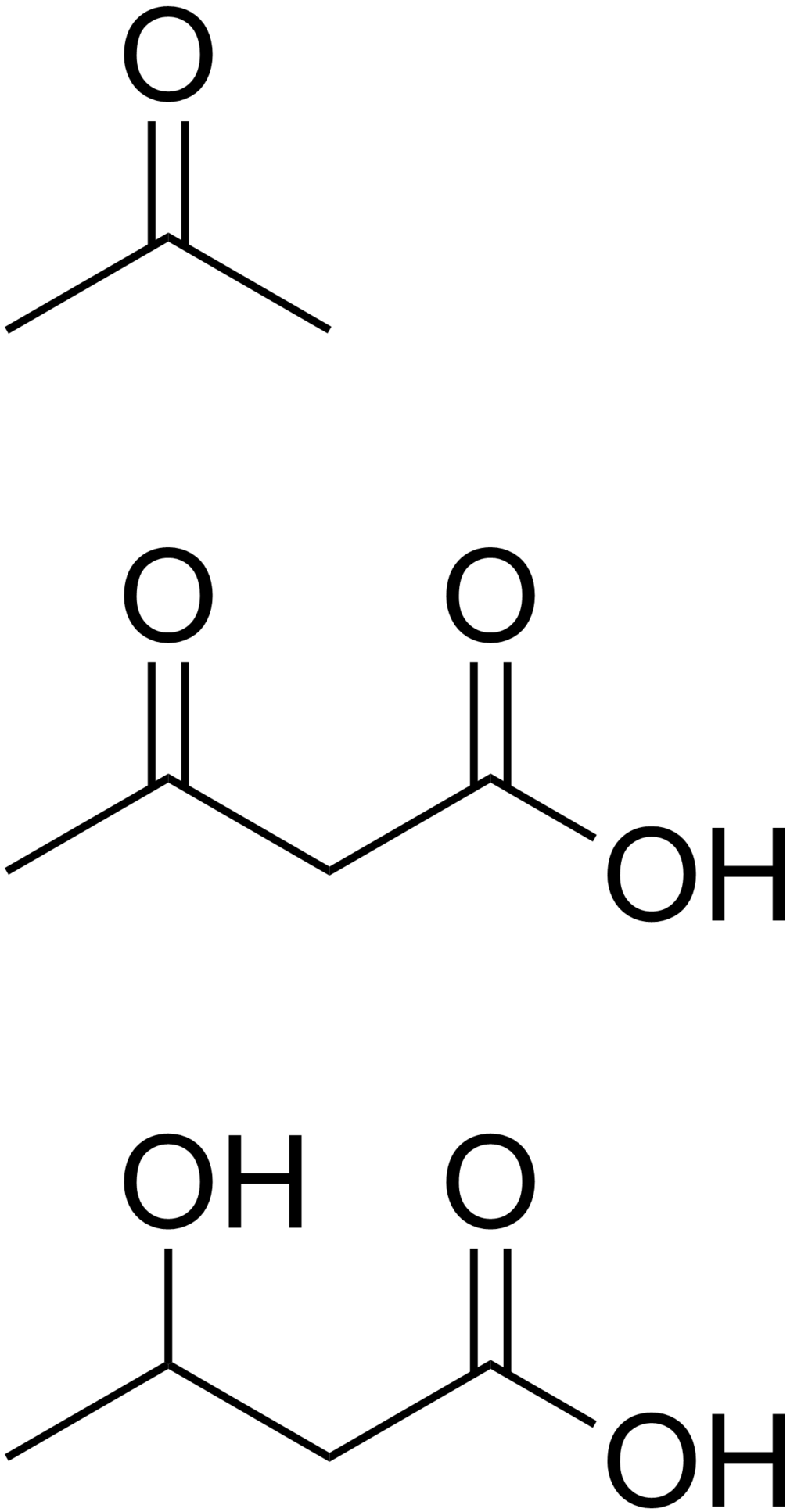
The entire point of the keto diet is to induce and maintain this state of nutritional ketosis. By consistently providing your body with fat and very few carbs, you train it to become efficient at burning fat for its daily energy needs.
Ready to check your understanding of the ketogenic diet's basic principles?
What is the primary metabolic state that the ketogenic diet aims to achieve and maintain?
What is the body's default and most easily accessible source of energy in a standard diet?
This metabolic framework is the foundation of the ketogenic diet. Understanding how the body shifts from using glucose to ketones is the first step in learning about its potential applications.