The Ketogenic Diet Explained
Introduction to Ketogenic Diet
Rethinking Fuel
The ketogenic diet flips the script on how our bodies generate energy. Instead of relying on carbohydrates, the body’s usual go-to fuel, it shifts to burning fat. This metabolic state is called ketosis, and it's the central goal of the diet.
The ketogenic (keto) diet is a high-fat, low-carbohydrate diet that aims to induce ketosis, a metabolic state in which the body burns fat as its main fuel source instead of carbohydrates.
This approach isn't new. The ketogenic diet was developed in the 1920s as a clinical therapy for epilepsy in children, long before it became popular for other reasons. The idea was to mimic the metabolic effects of fasting, which had been observed to reduce seizures, but in a way that could be sustained long-term.
The Metabolic Switch
So, how does this switch happen? Our bodies are incredibly adaptable. When you eat a meal rich in carbohydrates, your body breaks them down into glucose, a simple sugar. Glucose enters your bloodstream, and your pancreas releases insulin to help transport it into your cells for energy. Any excess glucose is stored in the liver and muscles as glycogen for later use.
When you drastically reduce carbohydrate intake, your body burns through its glycogen stores within a couple of days. With no glucose readily available, it needs an alternative fuel source. This is where the liver steps in. It begins to break down fatty acids from your diet and body fat into compounds called ketone bodies.
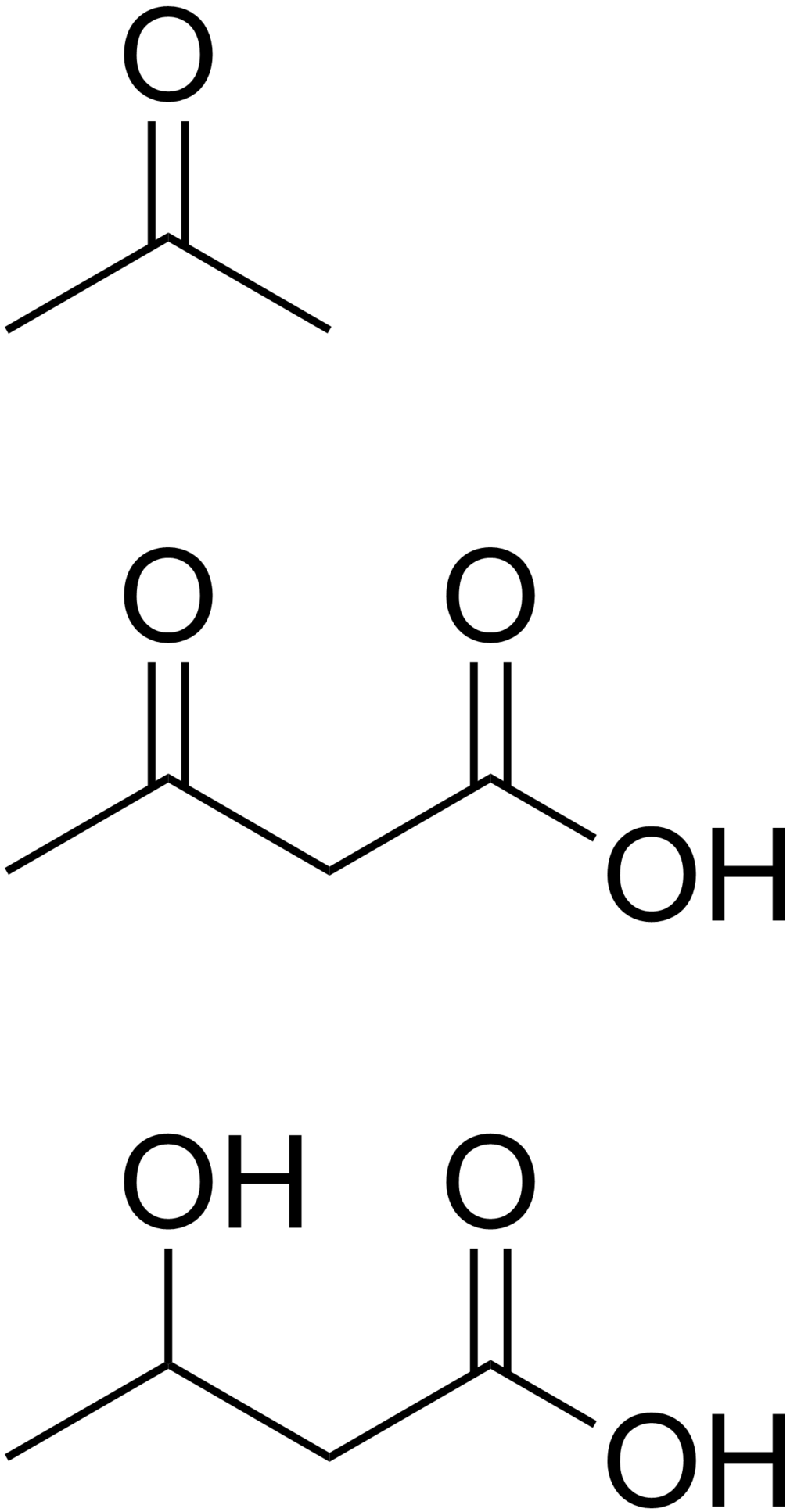
These ketone bodies are then released into the bloodstream and used by tissues, including the brain, as a clean and efficient energy source. This process of using fat for fuel is known as fat oxidation. A key side effect of this metabolic shift is that circulating insulin levels drop significantly, since there's very little glucose to manage. This can improve the body's overall sensitivity to insulin.
The Keto Blueprint
To achieve and maintain ketosis, the diet requires a specific balance of macronutrients. It's not just about cutting carbs; it's also about significantly increasing fat intake to provide the necessary fuel for ketone production. Protein is kept moderate to prevent it from being converted into glucose, a process called gluconeogenesis, which could kick you out of ketosis.
The typical macronutrient breakdown is around 55-60% of calories from fat, 30-35% from protein, and just 5-10% from carbohydrates.
However, the ketogenic diet is not a one-size-fits-all plan. Several variations exist, each with slightly different rules and restrictions. The best approach often depends on an individual's goals and lifestyle.
| Diet Variation | Fat | Protein | Carbohydrates | Key Feature |
|---|---|---|---|---|
| Standard Keto Diet (SKD) | ~70% | ~20% | ~10% | The most common and researched version. |
| Cyclical Keto Diet (CKD) | Varies | Varies | Varies | Involves periods of higher-carb refeeds, e.g., 5 keto days followed by 2 high-carb days. |
| Targeted Keto Diet (TKD) | Varies | Varies | Varies | Allows for adding carbs around workouts to boost performance. |
| High-Protein Keto Diet | ~60% | ~35% | ~5% | Similar to SKD but includes more protein. |
| Modified Atkins Diet (MAD) | ~65% | ~30% | ~5% | Less restrictive on fat and protein, focusing primarily on limiting net carbs. |
Each version aims to induce ketosis but offers different levels of flexibility, making the diet adaptable for various needs, from therapeutic applications to athletic performance.