The Ketogenic Diet Explained
Introduction to Ketogenic Diet
The Body's Fuel Switch
Your body's preferred source of energy is glucose, which mostly comes from the carbohydrates you eat. Bread, pasta, fruits, and sugars are all broken down into glucose to fuel your cells. The ketogenic diet, or keto for short, is designed to fundamentally change this process. It intentionally flips your body's metabolic switch, training it to burn fat for energy instead of glucose.
This is achieved by drastically altering the macronutrients you consume. Instead of a diet centered on carbohydrates, keto focuses on high fat intake, moderate protein, and very few carbs.
By restricting carbohydrates so severely, you deprive your body of its easy-access glucose supply. This forces it to find an alternative fuel source. The result is a metabolic state called ketosis, where your body becomes incredibly efficient at burning fat for energy.
From Medicine to Mainstream
The ketogenic diet wasn't invented for weight loss. Its roots are firmly in medicine. In the 1920s, doctors at the Mayo Clinic were searching for a way to treat epilepsy in children, particularly those who didn't respond to medication. They knew that fasting had been used for centuries to reduce seizures, but it wasn't a sustainable long-term treatment.
Researchers realized they could mimic the metabolic effects of starvation by creating a diet that was very high in fat and extremely low in carbohydrates. This diet induced ketosis, just like fasting, but allowed patients to continue eating. It proved effective for many children and became a standard therapy for epilepsy for decades, long before modern anti-seizure medications were widely available. It was only much later that the diet gained popularity as a strategy for weight management and general health.
How Ketosis Works
So how does a low-carb diet lead to fat burning? It's a simple chain of events. When you eat a meal rich in carbs, your body produces insulin to help transport the resulting glucose from your blood into your cells for energy. Any excess glucose is stored as glycogen in your liver and muscles, or converted to fat for later use.
When you cut carbs to under 50 grams a day, your glucose levels and insulin production drop. Your body quickly burns through its limited glycogen stores. With no glucose left, your liver begins breaking down stored body fat into fatty acids. These fatty acids are then converted into compounds called ketone bodies.
There are three main types of ketone bodies produced: acetoacetate, beta-hydroxybutyrate (BHB), and acetone. These ketones are then released into the bloodstream, where they travel to your brain, muscles, and other tissues to be used as a clean and efficient fuel.
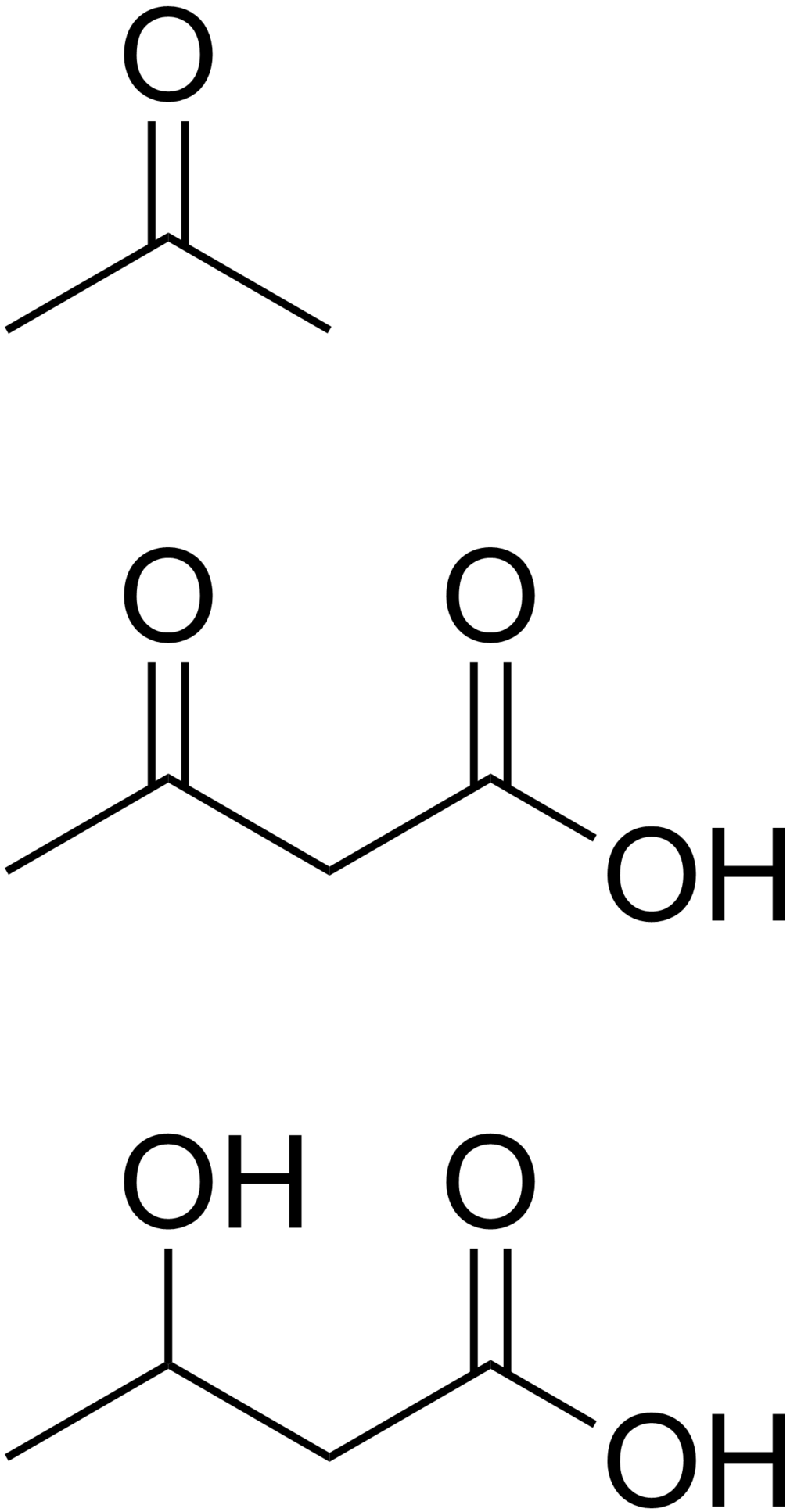
Essentially, the ketogenic diet retrains your body to tap into its vast fat reserves for consistent energy, rather than relying on the fluctuating availability of glucose from carbohydrates.