The Kasa Living Business Model and Growth
Core Value Proposition
A New Kind of Stay
The world of travel lodging has long been dominated by two choices: the standardized, predictable experience of a hotel, or the unique but sometimes inconsistent world of short-term home rentals. Kasa Living was built to occupy the space in between. It combines the reliability of a professional hospitality brand with the comfort and space of a residential apartment.
Instead of owning buildings, Kasa partners with owners of multi-family properties. They take over blocks of units, or sometimes entire buildings, and operate them as professionally managed, tech-enabled accommodations. This approach is often called an asset-light model that allows Kasa to scale quickly without the massive capital investment of real estate acquisition. They provide the operational layer, from booking and guest communication to cleaning and maintenance, all under a consistent brand.
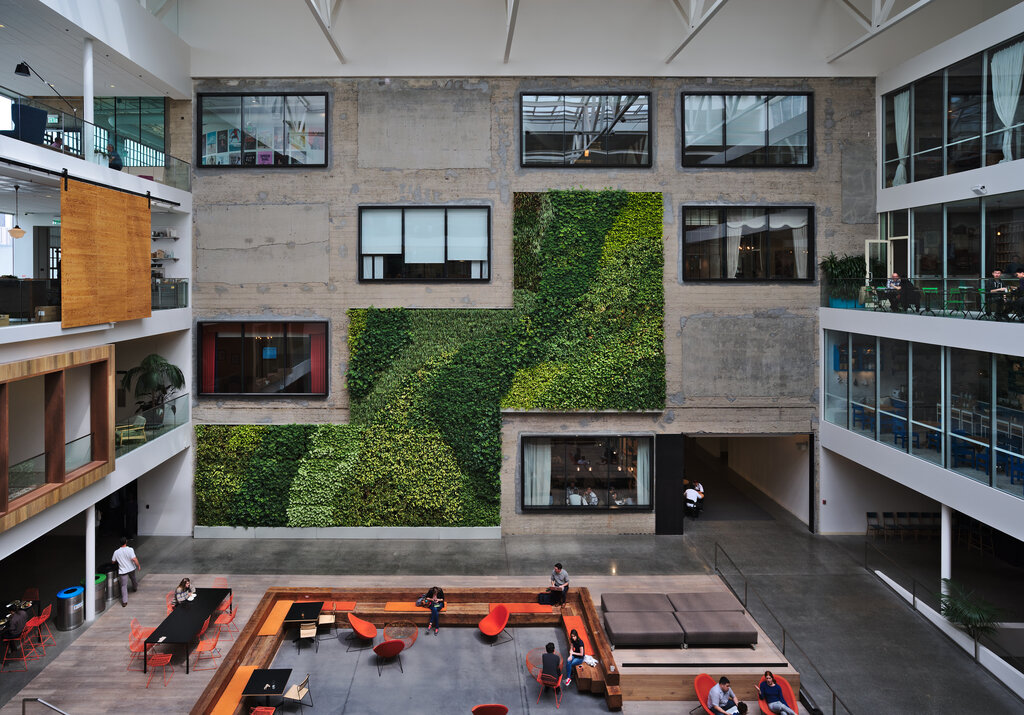
This hybrid model aims to solve the core pain points of both traditional hotels and platforms like Airbnb. Guests get more than just a room; they get a full living space with a kitchen and separate living areas. But unlike a typical peer-to-peer rental, every Kasa unit is held to a strict standard of quality, cleanliness, and service.
The goal is simple: deliver the trust and quality of a hotel with the freedom and value of a home.
The Kasa Traveler
Kasa's value proposition resonates most strongly with two key consumer segments: business travelers and These groups often require longer stays and value the amenities of an apartment, like a kitchen and workspace, but cannot afford the inconsistency that sometimes comes with peer-to-peer rentals.
A business traveler on a week-long assignment needs reliable Wi-Fi, a comfortable place to work, and a seamless check-in process. A digital nomad might be in town for a month and desires a home-like base of operations. For both, a standard hotel room can feel cramped and expensive, while a random short-term rental carries the risk of unprofessional hosts or inaccurate listings.
| Feature | Traditional Hotel | Airbnb (Peer-to-Peer) | Kasa Living |
|---|---|---|---|
| Space | Single room | Varies (room to full house) | Full apartment |
| Consistency | High (brand standards) | Low (host dependent) | High (professional standards) |
| Amenities | Limited (minifridge) | Varies widely | Full kitchen, living space |
| Service | On-site staff, front desk | Host communication | Virtual 24/7 support |
| Ideal For | Short trips, tourists | Unique experiences, budget travel | Extended stays, business, families |
The table above highlights the niche Kasa fills. It professionalizes the short-term rental (STR) market by creating a predictable, high-quality product. This consistency is Kasa's core brand promise. When you book a Kasa, you know you'll get a clean space, keyless entry, a fully equipped kitchen, and access to a virtual support team. This removes the gamble often associated with booking from individual hosts.
By crafting a compelling employee value proposition, they align organizational offerings with candidate aspirations.
Technology at the Core
A key enabler of Kasa's model is its proprietary technology platform. This system automates many of the operational complexities of hospitality, from managing bookings across different channels to coordinating housekeeping schedules and handling guest requests. By leaning on technology for tasks like check-in and guest support, Kasa can operate without a physical front desk or on-site staff.
This tech-first approach accomplishes two things. First, it significantly reduces operating costs, allowing Kasa to offer apartment-style accommodations at a competitive price point. Second, it creates a streamlined, modern experience for the guest. Everything from booking to unlocking the door to requesting extra towels can often be done from a smartphone.
This blend of physical space and digital convenience is Kasa's answer to the evolving needs of modern travelers. They offer a reliable, comfortable, and efficient alternative that sits right in the sweet spot between a hotel and a traditional rental.
Let's check your understanding of Kasa's unique position in the market.
What is the core difference between Kasa's business model and that of a traditional hotel chain?
According to the text, Kasa's value proposition is most attractive to which key consumer segments?
By focusing on a specific type of traveler and leveraging technology, Kasa has built a strong value proposition in a crowded industry.