The Jules Verne Trophy A History of Speed at Sea
Origins and Inception
The 80-Day Challenge
In 1985, a simple yet captivating idea began to circulate among the sailing community. It was inspired by a classic adventure story: Jules Verne's Around the World in Eighty Days. The novel, published over a century earlier in 1873, tells the story of Phileas Fogg's daring bet to circle the globe in what was then a breathtakingly short amount of time. Sailors wondered if they could match Fogg's fictional feat, but on the open ocean, powered only by the wind.
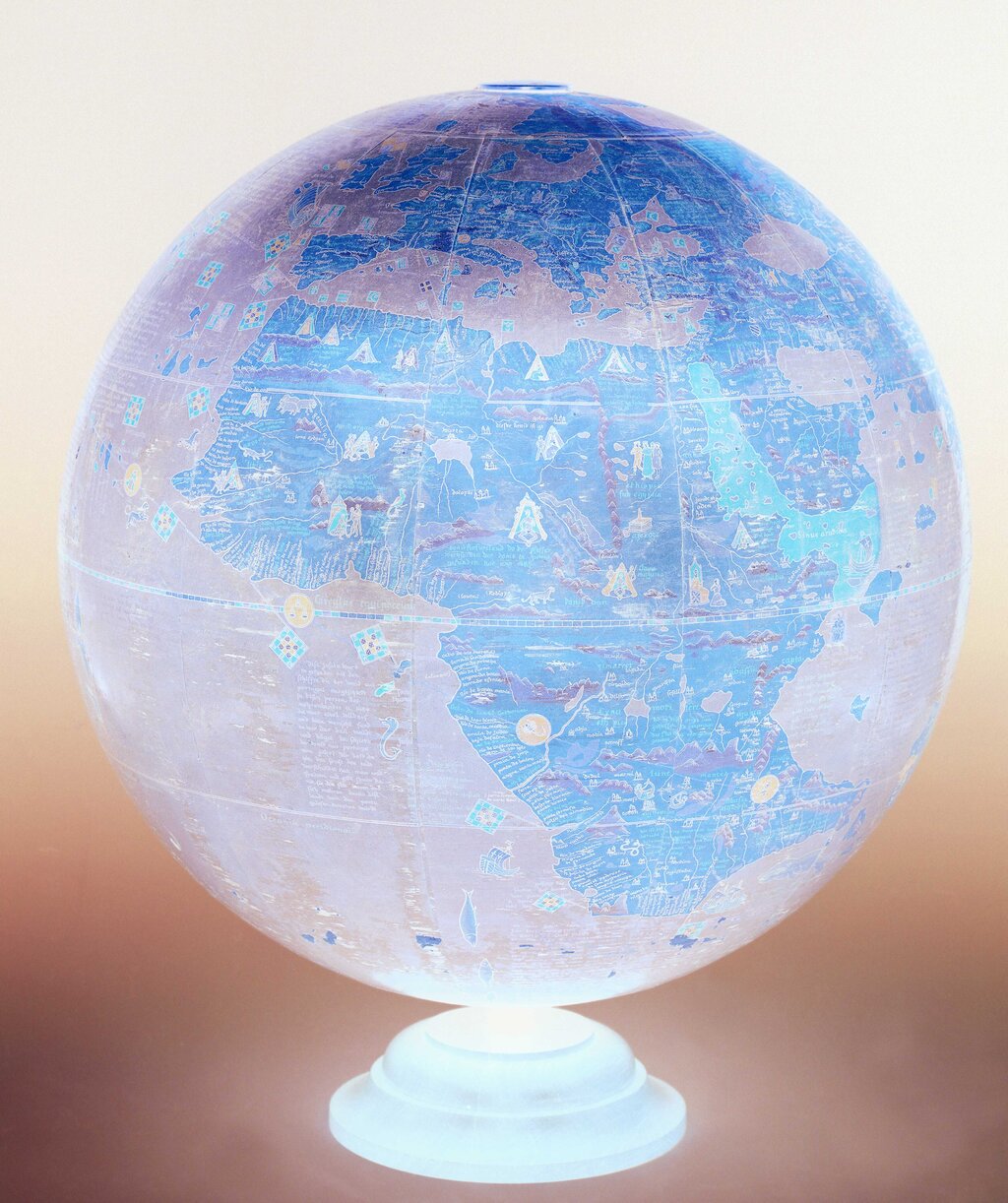
This wasn't just about speed. It was about pushing the boundaries of what was considered possible in sailing. The vision was to create a challenge that was pure and straightforward: start and finish at the same point, circumnavigate the globe, and do it in less than 80 days. No stages, no stops, just one continuous journey against the clock. The concept was a direct nod to Verne's narrative, a romantic pursuit of a seemingly impossible goal.
From Idea to Institution
For five years, the idea remained just that—an exciting conversation piece. Then, in 1990, the challenge was formalized. A group of distinguished sailors came together to create the Jules Verne Trophy and establish a clear set of rules for anyone who dared to take on the challenge.
The rules were simple: A round-the-world voyage, leaving from and returning to an imaginary line between the Créac'h lighthouse on the island of Ouessant, France, and the Lizard Lighthouse, UK. The team had to leave the capes of Good Hope, Leeuwin, and Horn to port.
The formation of the organizing association, Tour du Monde en 80 Jours, was crucial. This committee included some of the most respected names in sailing, such as New Zealander Peter Blake and French sailor Florence Arthaud. Their involvement lent the trophy immediate credibility. They weren't just creating a race; they were defining a framework to ensure fair play, verify attempts, and uphold the spirit of the challenge. Their work turned a fictional bet into a real-world, high-stakes competition.
What novel directly inspired the creation of the Jules Verne Trophy?
Which of the following best describes the fundamental rule of the Jules Verne Trophy challenge?
With the rules in place and a legendary prize awaiting, the stage was set for the world's best sailors to take on Phileas Fogg's challenge.