The Judiciary Explained
Judicial Foundations
The Role of the Judiciary
Think of the legal system as a complex game. One group, the legislature, writes the rulebook. Another group, the executive, puts the rules into action. But who makes sure the rules are applied fairly? Who settles disputes when players disagree on what a rule means? That's the job of the judiciary.
The judiciary is the branch of government responsible for interpreting laws and administering justice. It's the system of courts that acts as a neutral referee, ensuring that the law applies to everyone equally, from individual citizens to the government itself.
The core function of the judiciary is to resolve conflicts peacefully and predictably, based on a shared set of laws. This provides stability and ensures that rights are protected.
Separation of Powers
To prevent any single part of government from becoming too powerful, many systems are built on the principle of the separation of powers. This divides government into three distinct branches, each with its own responsibilities.
The judiciary acts as a critical check on the other two branches. For example, if the legislature passes a law that violates fundamental rights, the courts can declare it unconstitutional. If the executive branch acts beyond its legal authority, the judiciary can order it to stop. This ensures that the government itself must follow the law.
The Pillar of Independence
For the separation of powers to work, the judiciary must be independent. Judicial independence means that judges should be able to rule on cases based on the facts and the law without facing pressure or influence from the other branches of government or the public. It ensures that decisions are impartial, not political.
Imagine if a judge feared being fired by a politician for making an unpopular decision. They might be tempted to rule in a way that pleases the powerful, rather than in a way that upholds the law. Independence protects the integrity of the entire legal process.
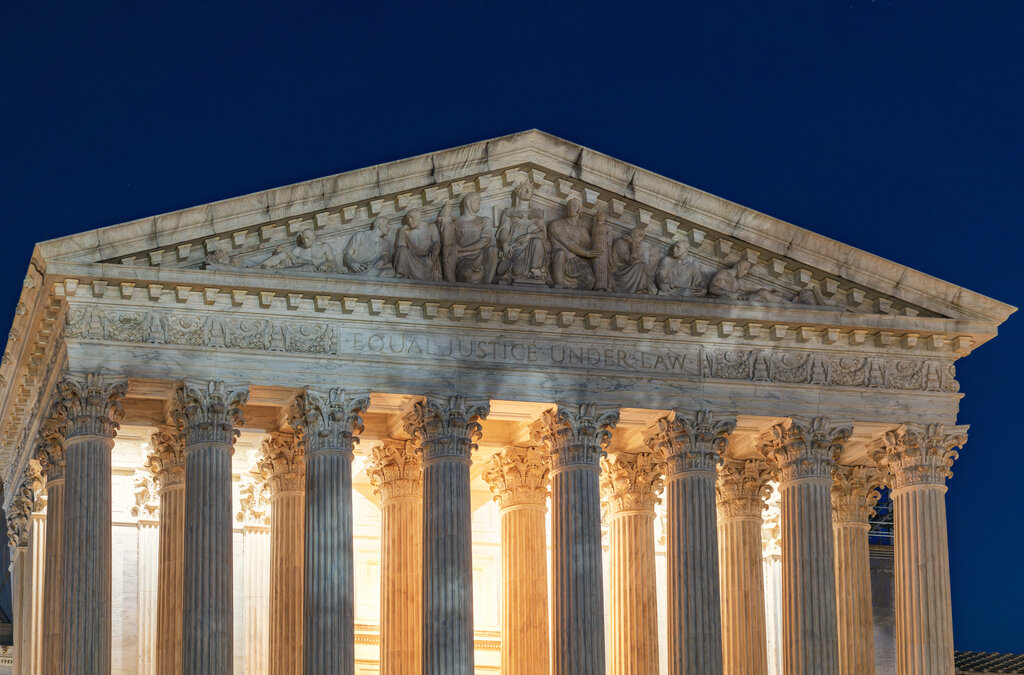
This principle is the bedrock of the rule of law, the idea that no one is above the law and that legal processes should be fair and consistent.
Guardian of Rights
One of the judiciary's most vital roles is protecting the rights of individuals. Constitutions and laws grant citizens specific rights, such as freedom of speech or the right to a fair trial. However, these rights are only meaningful if they can be enforced.
The courts are where people can go when they believe their rights have been violated. The judiciary acts as a shield, protecting individuals from potential overreach by the government or more powerful private interests. By hearing cases and making binding decisions, courts give teeth to the rights written down in lawbooks.
Judicial review is a cornerstone of constitutional law, serving as a mechanism to maintain the balance of power among the branches of government and protect individual rights.
This function is essential for a just society. It guarantees that disputes can be settled through a formal, fair process rather than by force or intimidation. By providing a trusted venue for resolving conflicts and upholding the law, the judiciary ensures stability and reinforces public trust in the system of governance.
What is the primary function of the judiciary within a government?
The concept of "judicial independence" is crucial for a fair legal system. What does it ensure?