The Journey of Space Exploration
Early Space Exploration
The First Satellite
On October 4, 1957, the world changed forever. The Soviet Union launched a polished metal sphere, just 23 inches in diameter, into orbit around the Earth. It was named Sputnik 1. For 21 days, it circled the globe, emitting a faint, steady beep that could be heard by radio operators everywhere. This simple signal announced the dawn of the Space Age.
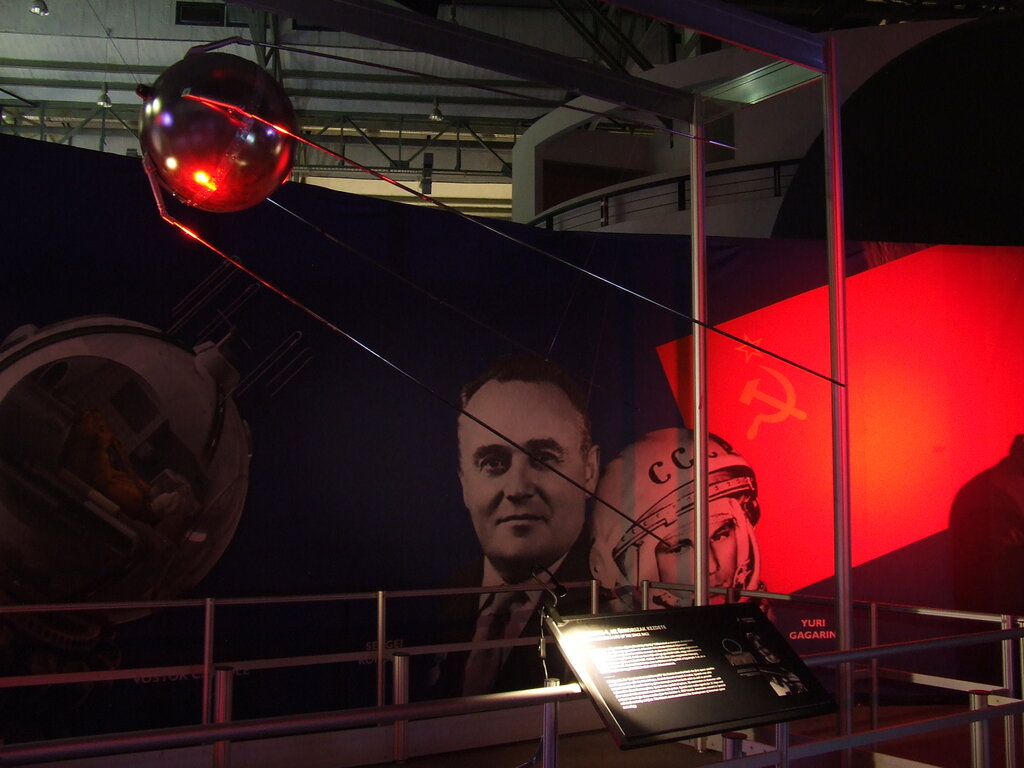
Sputnik didn't carry any complex scientific instruments, but it didn't need to. Its very presence in orbit was a monumental achievement. It proved that humanity had the power to break free from Earth's gravity. The launch ignited the Space Race, a period of intense competition between the United States and the Soviet Union to achieve superiority in spaceflight.
A Person in Orbit
Less than four years after Sputnik's launch, the Soviets achieved another incredible first. On April 12, 1961, cosmonaut Yuri Gagarin climbed aboard the Vostok 1 spacecraft and became the first human to journey into outer space. His mission was short, just a single 108-minute orbit of the Earth, but its impact was immeasurable.
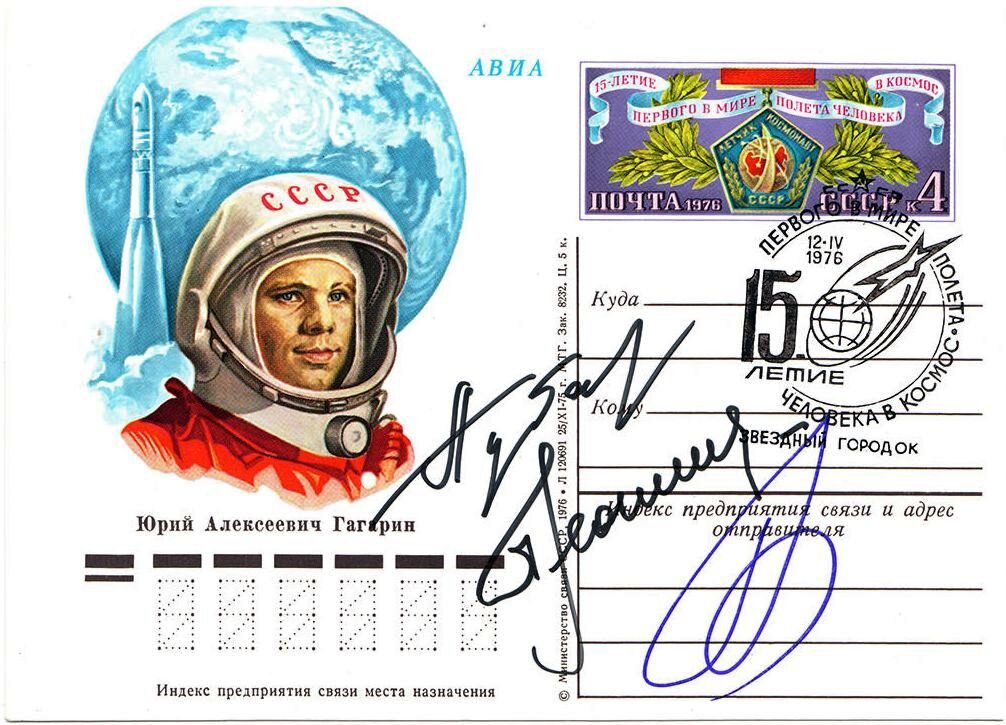
Gagarin's flight demonstrated that humans could not only survive in space but also function effectively. It was a bold and risky endeavor, relying on new and largely untested technology. From life support systems that provided breathable air to the powerful rocket that propelled him into orbit, every component had to work perfectly. His safe return to Earth was a triumph of engineering and human courage.
One Giant Leap
The United States responded to these Soviet successes by setting an audacious goal: landing a man on the Moon and returning him safely to the Earth before the end of the 1960s. This effort became the Apollo program.
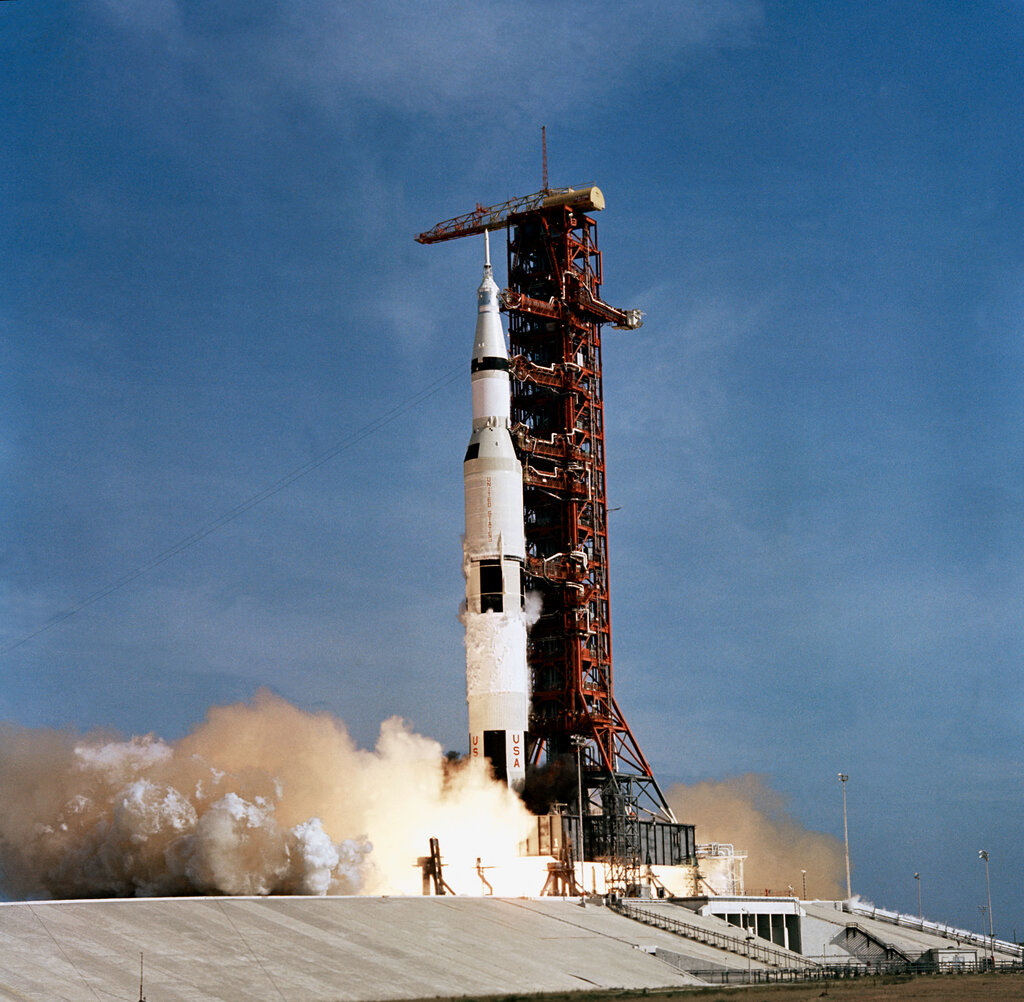
On July 20, 1969, the world watched as the Apollo 11 lunar module, named Eagle, touched down on the Moon's surface. Astronaut Neil Armstrong descended the ladder and took the first human step on another world.
That's one small step for a man, one giant leap for mankind.
The Apollo 11 mission was the culmination of a decade of immense effort involving hundreds of thousands of people. The journey itself was complex, requiring a series of precise maneuvers from Earth orbit to the lunar surface and back again.
The Apollo program not only achieved its primary goal but also spurred massive technological innovation in fields ranging from computing to materials science.
Tools of the Trade
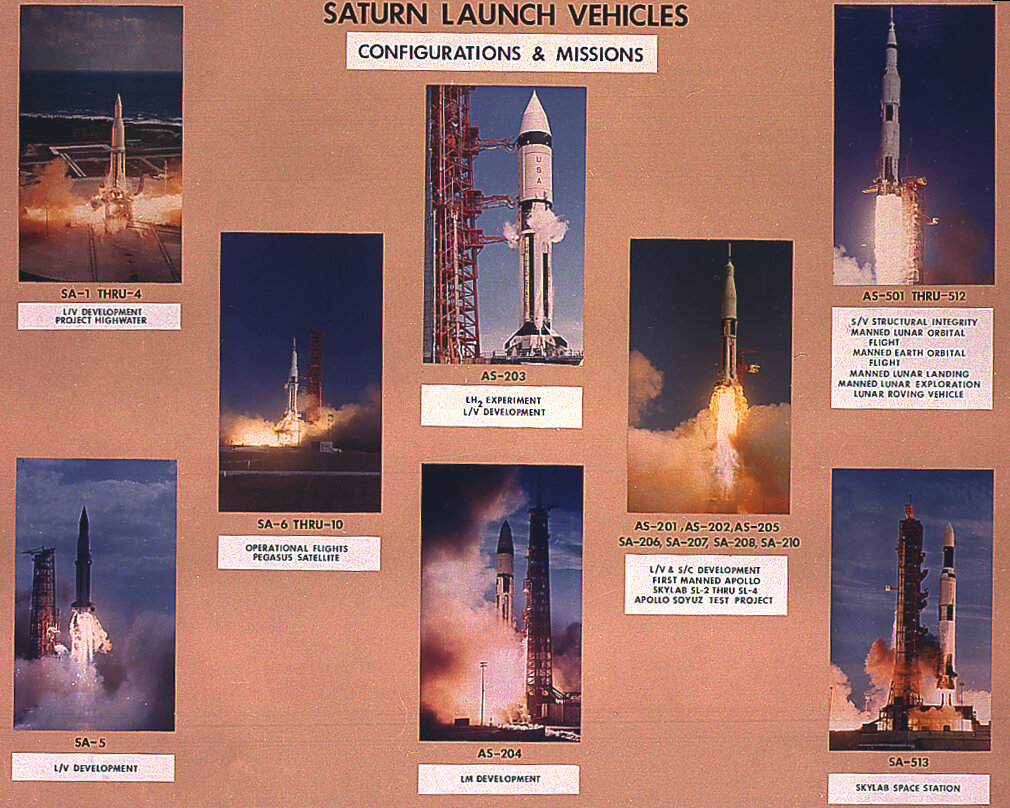
These early space missions were made possible by groundbreaking technology. The most critical piece of the puzzle was the development of powerful, reliable rockets. To escape Earth's gravity, a rocket needs to reach a speed of about 25,000 miles per hour.
Engineers solved this challenge using multi-stage rockets. A large first stage provides the initial thrust to lift off and climb through the thickest part of the atmosphere. Once its fuel is spent, it detaches and falls away, making the remaining rocket lighter. Then, a smaller, more efficient second stage ignites, pushing the spacecraft higher and faster. This process can be repeated with third or even fourth stages to reach the desired orbit or destination.
Beyond rockets, scientists and engineers had to invent entirely new systems for life support, navigation, communication, and reentry. The Apollo Guidance Computer, for example, was one of the first to use integrated circuits, paving the way for modern microchips. Each mission was a step into the unknown, built on a foundation of brilliant innovation and careful planning.
Ready to test your knowledge of these first steps into the cosmos?
What was the primary significance of the Sputnik 1 launch on October 4, 1957?
True or False: Yuri Gagarin's historic flight in Vostok 1 involved a multi-day journey orbiting the Earth.
The launch of Sputnik, Gagarin's orbital flight, and the Apollo Moon landing were foundational moments. They not only demonstrated what was possible but also inspired generations to look to the stars and dream of what lies beyond.