The Journey of Rice
Rice Cultivation
From Seed to Stalk
Every grain of rice begins its journey as a carefully chosen seed. The choice of which variety to plant is one of the most critical decisions a farmer makes. It influences everything from the crop's yield and resistance to disease to its final taste and texture. Some varieties are bred to thrive in drought conditions, while others flourish in deep water. There are thousands of options, from long-grain indica rices, which cook up fluffy and separate, to short-grain japonica varieties, which are stickier and ideal for sushi.
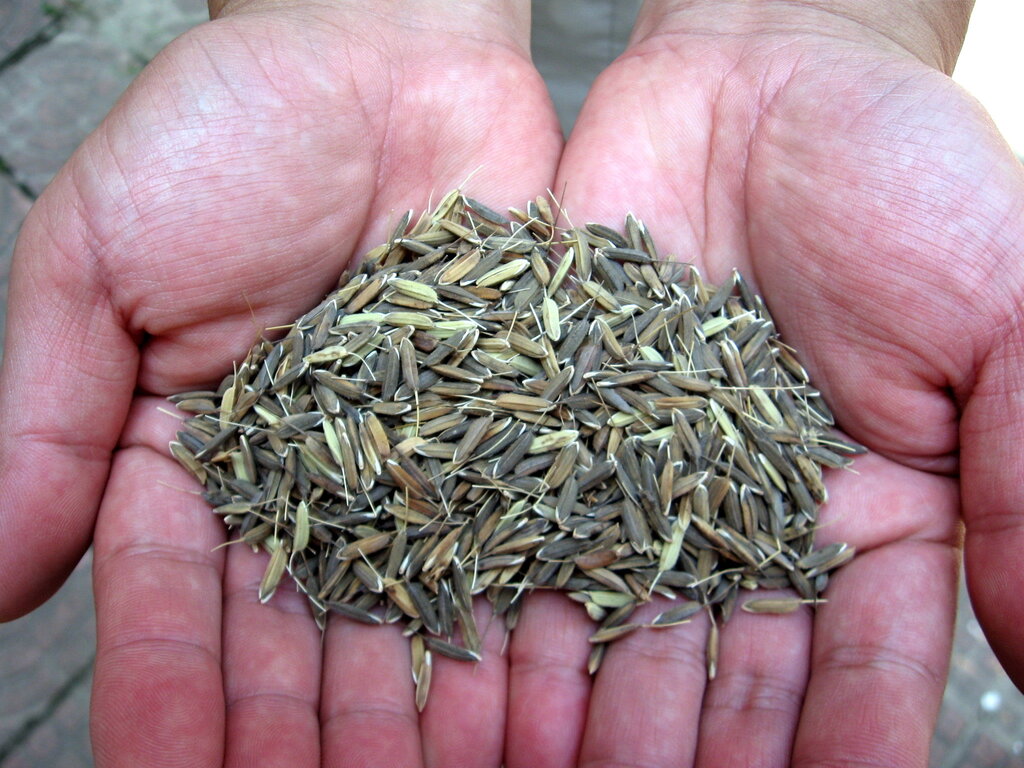
Factors like local climate, soil type, and even consumer demand guide the farmer's selection. Aromatic varieties like Basmati or Jasmine command higher prices but may require more specific growing conditions. This initial choice sets the stage for the entire cultivation cycle.
Preparing the Ground
Once the seed is chosen, the land must be prepared. For paddy rice, this is a meticulous process. First, the field is plowed to break up the soil. This aerates the earth and buries weeds and the remains of the previous crop, which decompose and enrich the soil.
After plowing, the field is harrowed to break down the large soil clumps into a finer consistency. The final and most crucial step is leveling. A perfectly level field ensures that when water is introduced, it spreads evenly across the entire paddy. This uniform water depth is vital for healthy, consistent growth and effective weed control.
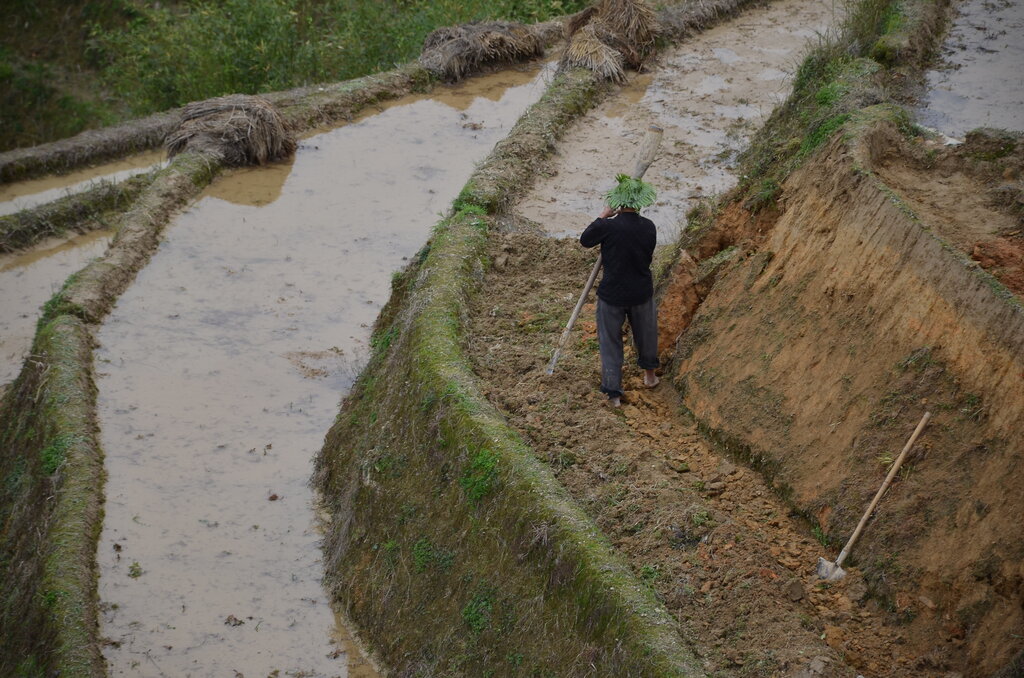
Small earthen walls, called bunds or levees, are built around the perimeter of the paddy. These contain the water, turning the field into a controlled aquatic environment ready for planting.
Planting and Care
There are two primary methods for planting rice. The most common method for paddy farming is transplanting. In this technique, seedlings are first grown in a dense, protected nursery bed. After about 25-30 days, when they are strong enough, they are carefully uprooted and replanted by hand or machine into the main flooded field, spaced out in neat rows.
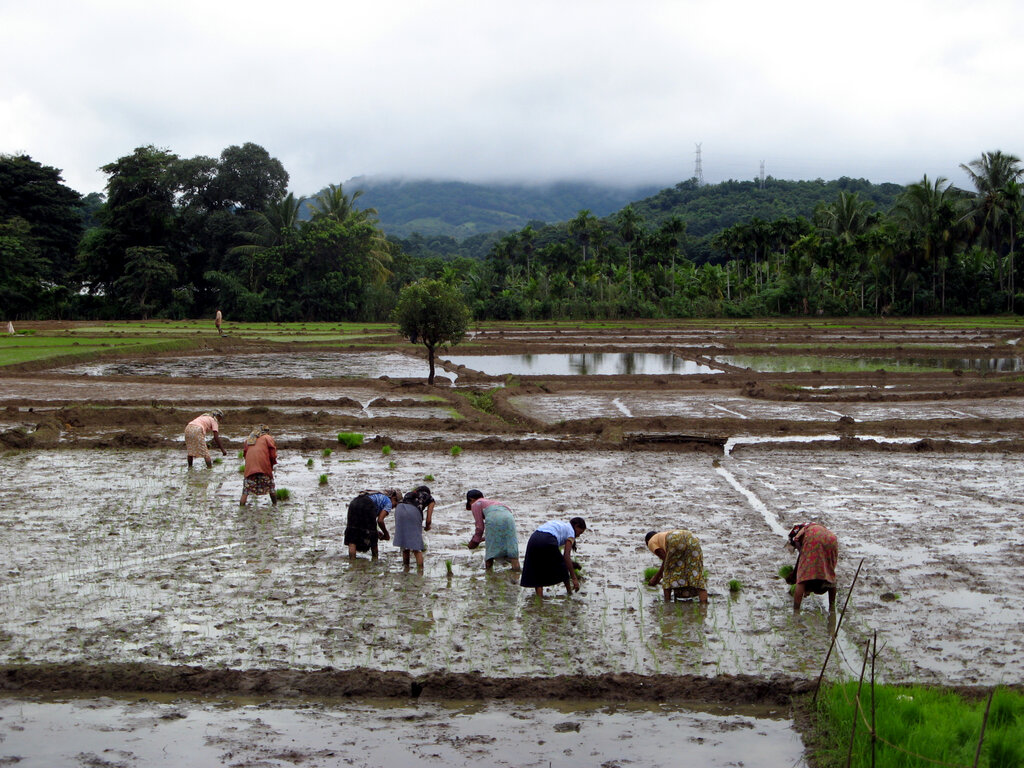
The second method is direct seeding, where seeds are sown directly into the prepared field, either by broadcasting them across the surface or planting them in rows. This method is less labor-intensive but can require more diligent weed management, as the rice and weeds sprout at the same time.
Water management is a constant task throughout the growing season. The flooded paddy isn't just for hydration; it also suppresses weeds and regulates the soil temperature. The water level must be carefully managed, raised as the plants grow and sometimes drained for fertilizer application or to control certain pests. Effective irrigation is key to a successful harvest.
Throughout the growth cycle, farmers must protect the crop from pests, like insects and birds, and diseases caused by fungi or bacteria. Modern approaches often favor Integrated Pest Management (IPM), which combines traditional practices, biological controls, and judicious use of pesticides to minimize environmental impact.
Harvest Time
After three to six months, depending on the variety and climate, the rice plants turn from green to golden yellow. This signals that they are mature and ready for harvest. The first step is often to drain the field to allow the ground and the stalks to dry out.
Harvesting involves cutting the stalks of the rice plants. This can be done manually with sickles, a labor-intensive method still common in many parts of the world, or with mechanical harvesters that can cut, thresh, and clean the grain in a single pass.
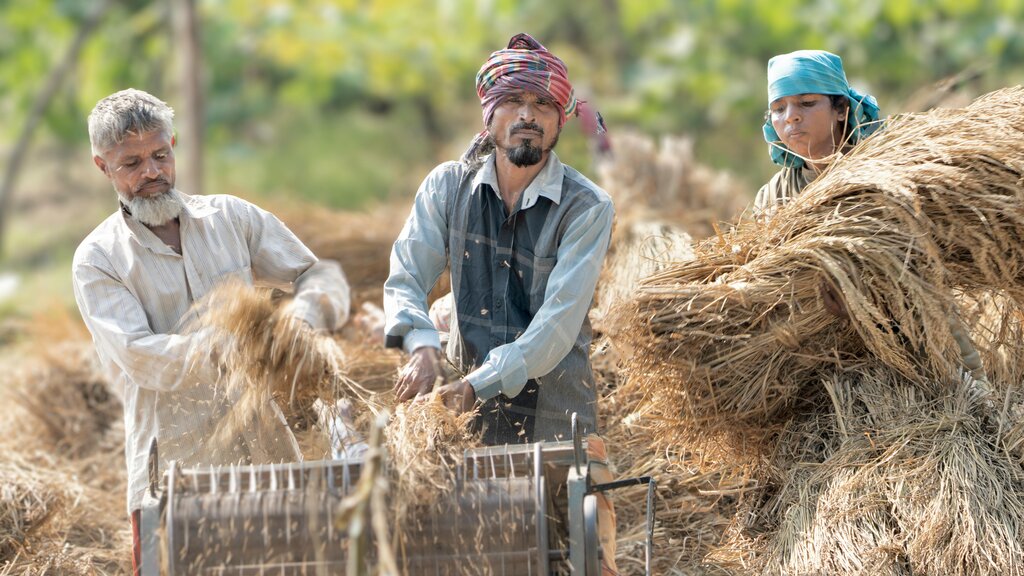
Once cut, the stalks are threshed to separate the rice grains from the rest of the plant. The grains are then cleaned to remove any dirt or debris. At this point, the cultivation phase is complete. The harvested grain, known as paddy rice, is now ready for the next stages of drying and processing.
Which of the following factors is LEAST likely to influence a farmer's choice of rice variety?
What is the primary purpose of leveling a paddy field after plowing and harrowing?