The Internet Explained
Internet Basics
What Is the Internet?
It’s easy to think of the internet as a vague, invisible cloud where all our digital stuff lives. But it's much more concrete than that. At its core, the internet is a massive, physical network that connects billions of computers and other electronic devices all over the globe.
Think of it as a network of networks. Your home Wi-Fi is a small network. Your office network is another. The internet connects all these small networks together into one giant web.
Its main purpose is simple: to share information. Whether you're sending an email, watching a video, or reading this article, you are using the internet to request and receive data from another computer somewhere else in the world. This global system allows for nearly instant communication and access to a staggering amount of knowledge.
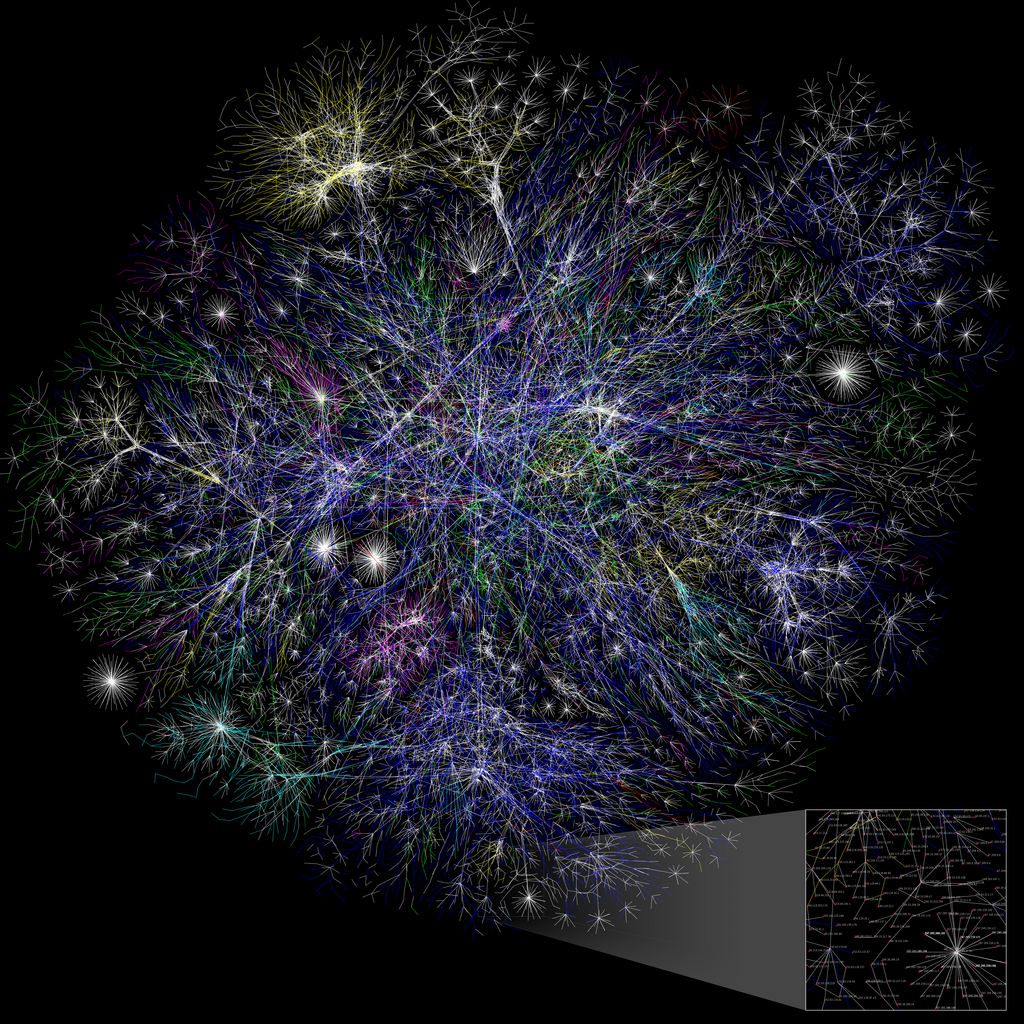
A World Connected
This global connectivity is what makes the internet so powerful. It's not owned by a single person or company. Instead, it’s a decentralized system that relies on cooperation and standardized rules, called protocols, to function. This design ensures that if one part of the network goes down, information can usually find another route to its destination.
The Internet is the backbone of the Web, the technical infrastructure that makes the Web possible.
Thanks to this infrastructure, we can access a huge variety of services. The World Wide Web, which is what we use to browse websites, is just one of them. Other key services include:
| Service | What It Does |
|---|---|
| Sends and receives digital messages | |
| File Transfer | Moves files from one computer to another |
| Voice over IP (VoIP) | Allows for phone calls over the internet |
| Streaming Media | Delivers video and audio in real-time |
Changing Everything
The internet's impact on society has been profound. It has fundamentally changed how we communicate, work, learn, and entertain ourselves. Before the internet, long-distance communication was slow and often expensive. Now, you can have a video call with someone on the other side of the planet for free.
In education, it has opened up a world of information that was once confined to libraries. Online courses and digital resources make learning accessible to more people than ever before. Businesses rely on it for everything from marketing and sales to daily operations and remote work. And for entertainment, streaming platforms and online communities have become a central part of modern culture.
Let's check your understanding of these fundamental concepts.
At its most fundamental level, what is the internet?
The internet is a decentralized system. What is the primary advantage of this design?
In short, the internet is the foundational network that connects our digital world, enabling the flow of information that shapes much of modern life.