The Inter-Agency Standing Committee IASC Explained
Introduction to Humanitarian Coordination
Working Together in a Crisis
When a disaster strikes—a flood, an earthquake, a conflict—the response can be chaotic. Multiple organizations rush in to help, all with the best intentions. But without a shared plan, their efforts can overlap, leaving some people without aid while others get the same thing twice. This is where humanitarian coordination comes in.
Think of it like building a house. You need plumbers, electricians, and carpenters. If they all show up at the same time and start working without talking to each other, you'll end up with a mess. But if a general contractor coordinates their work, the house gets built efficiently and correctly. In a humanitarian crisis, the United Nations often acts as that general contractor.
Humanitarian coordination is the process of bringing together all the different groups involved in a response. This includes UN agencies, non-governmental organizations (NGOs), and local authorities. The goal is simple: to deliver aid to people in need as quickly and effectively as possible, without wasting resources or duplicating efforts.
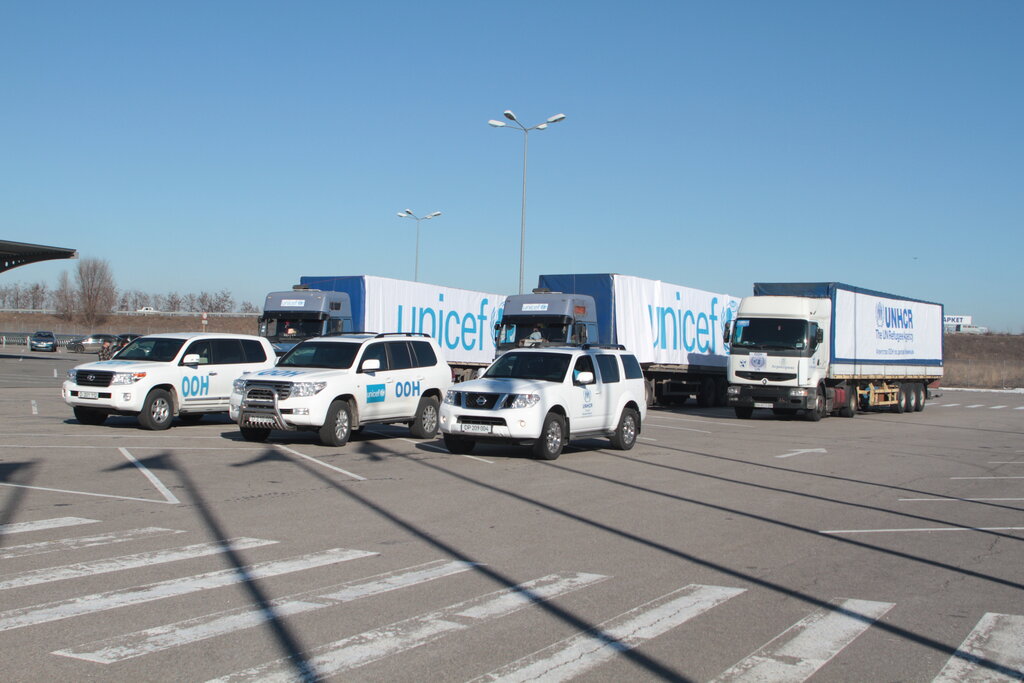
This collaboration ensures that the right aid gets to the right people at the right time. It's about making sure that the food delivery doesn't get in the way of the medical team, and that everyone has a clear picture of what's needed most.
The Rules of Engagement
To work together effectively, all humanitarian organizations agree to follow a common set of principles. These principles are the ethical foundation of their work, ensuring that aid is delivered fairly and without a political agenda.
| Principle | Meaning |
|---|---|
| Humanity | Address human suffering wherever it is found. The primary goal is to protect life and ensure respect for human beings. |
| Neutrality | Do not take sides in a conflict or engage in controversies of a political, racial, religious, or ideological nature. |
| Impartiality | Provide aid based on need alone, without discrimination as to nationality, race, gender, religious belief, class, or political opinions. |
| Independence | Remain autonomous from the political, economic, military, or other objectives that any actor may hold with regard to areas where humanitarian action is being implemented. |
These principles aren't just abstract ideas. They are practical tools that allow aid workers to gain the trust of affected communities and navigate complex political environments to deliver life-saving assistance.
An Evolving System
The way the UN organizes humanitarian aid hasn't always been so structured. Early on, responses were often managed on a case-by-case basis. Different agencies worked independently, which sometimes led to gaps in the response.
Over the decades, through experiences in major crises, the international community realized a more systematic approach was needed. This led to the creation of formal coordination mechanisms within the UN. The idea was to create a predictable, accountable system that could be activated quickly whenever a disaster occurred.
This evolution moved the humanitarian world from a collection of individual efforts to a more integrated, strategic community. This structure helps make sure that when a crisis hits, there's already a playbook for how to respond together.
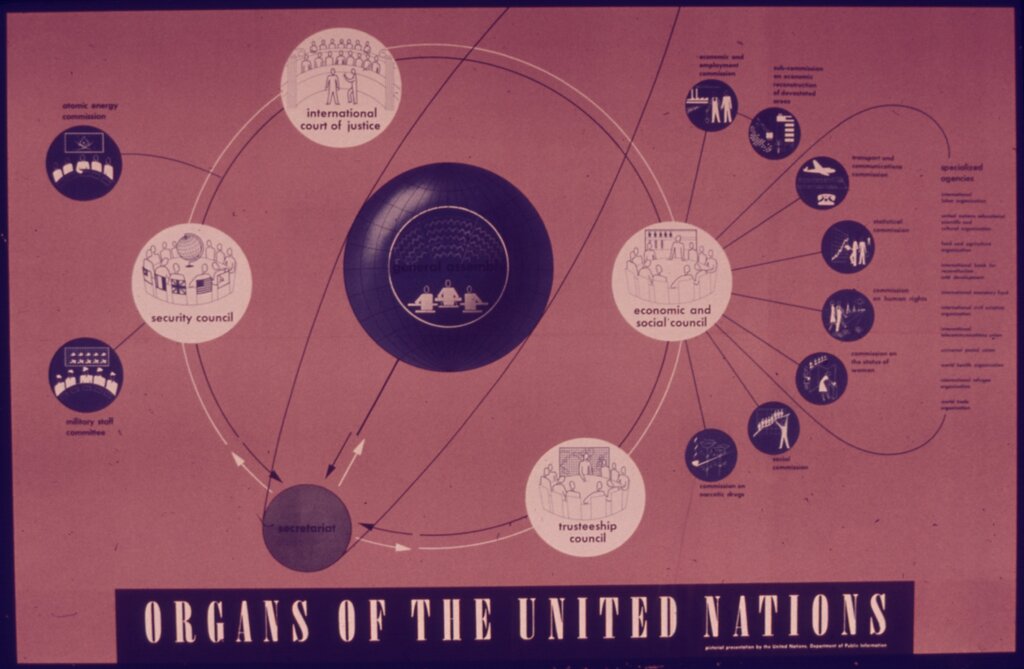
Effective coordination turns good intentions into tangible results, ensuring that aid is more than just a gesture—it's a lifeline.
With this foundation in place, we can now look more closely at the key body responsible for steering this collective effort.