The Infinite Circle: A Deep History and Philosophy of Tai Chi
Origins and Myth
Mountain Myths and Village Truths
Tai Chi’s history is split into two distinct streams: one of legend, the other of verifiable fact. The legend begins on the mist-shrouded Wudang Mountain, a place central to Taoist thought. Here, a sage named Zhang Sanfeng is said to have created Tai Chi in the 12th century after witnessing a fight between a snake and a crane. He observed how the snake’s fluid, coiling movements and yielding nature overcame the crane’s hard, direct attacks. This story perfectly captures the art's core philosophy: softness overcoming hardness, and stillness conquering motion.
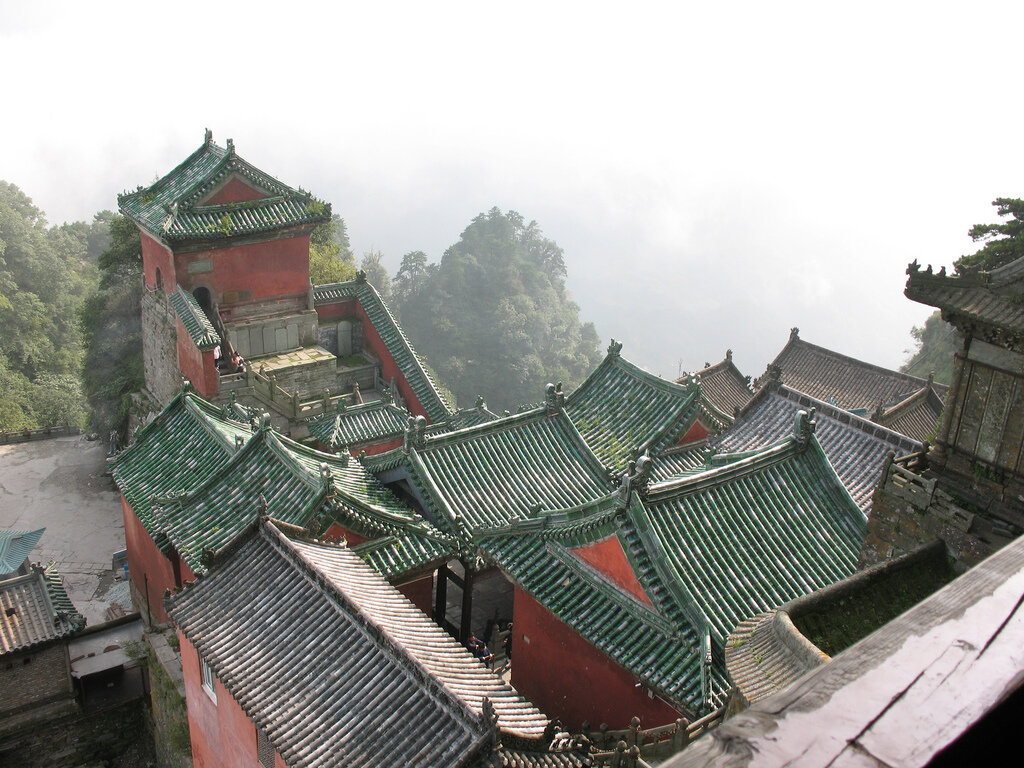
The documented history, however, points to a different place and time: the 17th century in Chenjiagou, or Chen Village. The founder is recognized as , a retired military officer from the late Ming Dynasty. While the Zhang Sanfeng story provides the philosophical soul of Tai Chi, Chen Wangting's lineage provides its historical backbone. He created the system we can actually trace through generations of masters, beginning with the Chen family style.
From Battlefield to Inner Practice
Chen Wangting didn't invent his art in a vacuum. He was heavily influenced by the writings of a famous Ming Dynasty general, . Qi’s treatise, the Jixiao Xinshu (New Book Recording Effective Techniques), was a practical military manual that compiled 16 of the most effective empty-hand fighting methods of the time. Chen synthesized 29 of the 32 postures from Qi's work into his own system, giving early Tai Chi a foundation of proven martial utility.
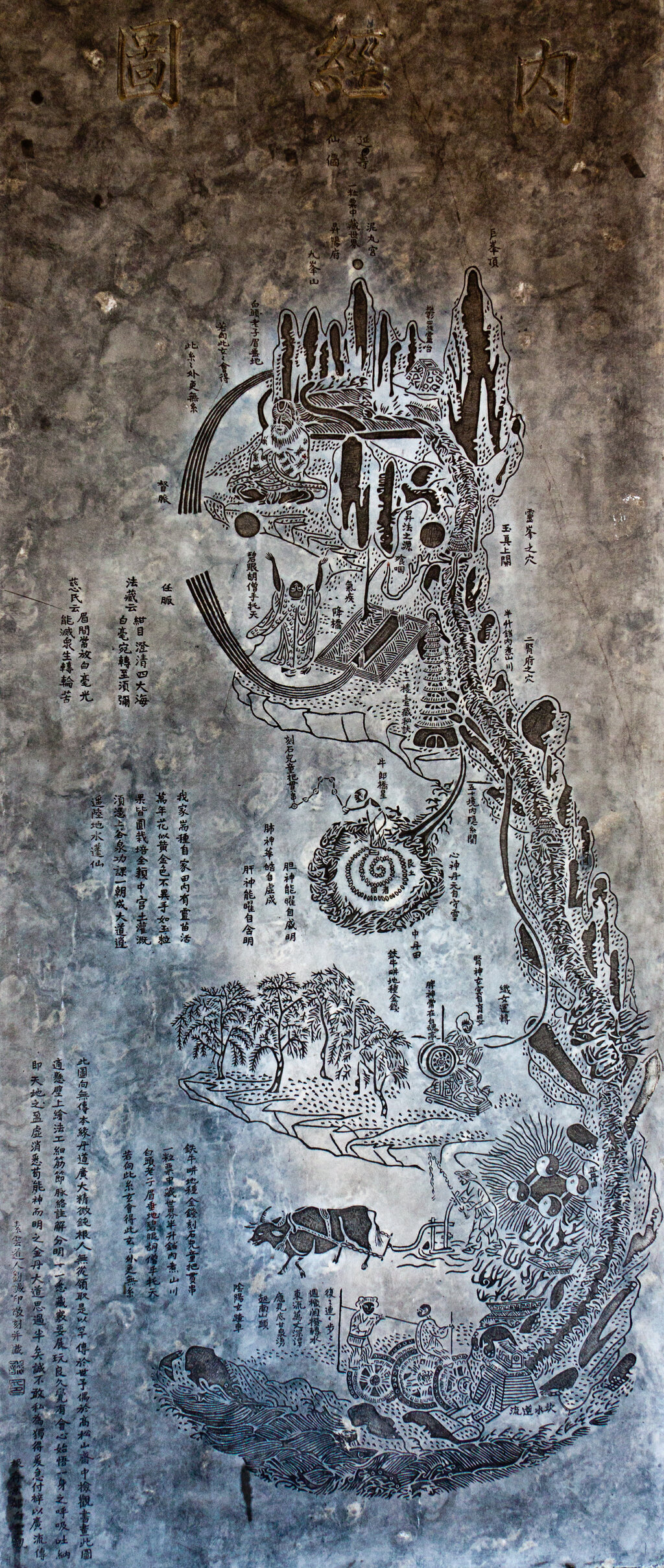
But the true innovation was turning this external knowledge inward. Chen integrated these fighting forms with Taoist principles of Neidan, or internal alchemy. This practice aims to cultivate and refine the body’s intrinsic energy, or Qi. He also incorporated concepts from the I Ching (Book of Changes), particularly the interplay of Yin and Yang. The goal was no longer just to defeat an opponent, but to harmonize one's own internal energies. Movements became a way to guide Qi through the body, transforming a soldier's art into a moving meditation.
The Great Shift
This fusion marked a profound shift in martial arts. While external styles focused on developing muscle, speed, and force, Chen's art focused on cultivating internal strength. The emphasis moved from aggressive strikes to yielding, redirecting, and rooting oneself to the ground. Combat effectiveness was still present, but it became a byproduct of a deeper practice aimed at health, balance, and longevity.
Ultimately, the two origin stories are not mutually exclusive. The Chen Village history gives us the 'what' and 'how'—the tangible lineage and technical foundation. The Wudang legend of Zhang Sanfeng gives us the 'why'—the philosophical spirit of harmony, yielding, and internal cultivation that elevates Tai Chi beyond a simple fighting system. Together, they explain how a general's battlefield techniques could transform into a profound art for nourishing life.
Let's check your understanding of these foundational concepts.
Who is recognized as the verifiable, historical founder of Tai Chi?
According to legend, what event inspired Zhang Sanfeng to create Tai Chi?
Understanding these roots helps clarify the purpose behind every movement in the art.