The Industrial Revolution: Causes and Consequences
Igniting Revolution
The Perfect Storm
The Industrial Revolution wasn't a single event. It was a slow-burning fuse lit by a unique combination of factors that came together in 18th-century Britain. Before steam engines and factories could change the world, the stage had to be set. It all started not in a city, but in the countryside.
The Agricultural Revolution was the first critical domino. For centuries, farming was inefficient, requiring most of the population to work the land just to feed themselves. But new techniques like crop rotation and selective breeding dramatically increased food production. Innovations like the seed drill allowed farmers to plant more efficiently, boosting yields. The infamous also consolidated small, scattered strips of land into larger, more productive farms.
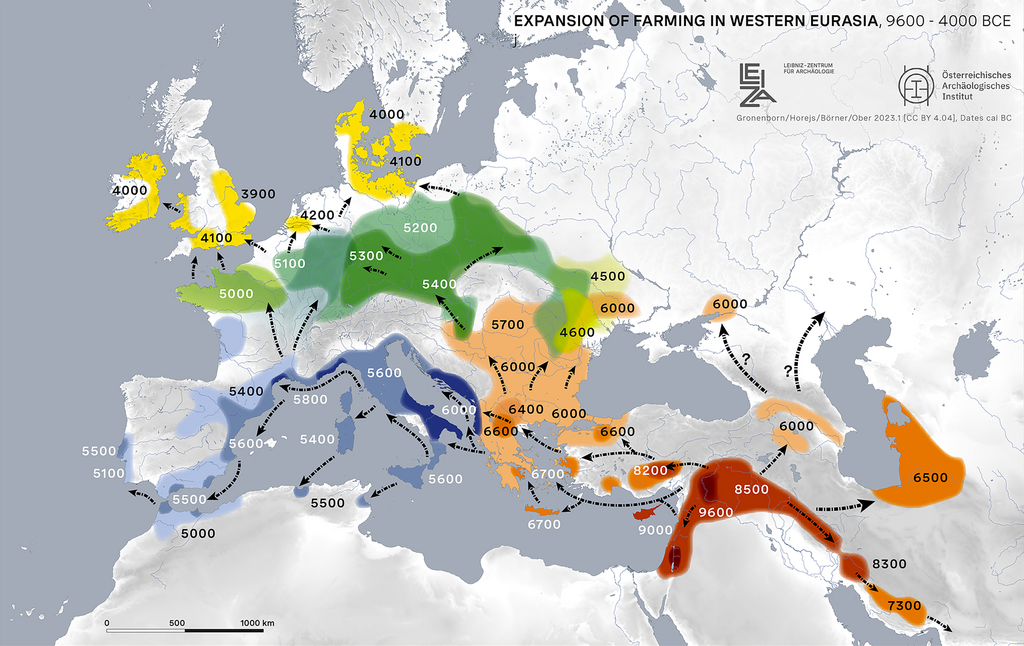
More food meant fewer famines and a healthier population. This led to a significant population boom. Britain's population nearly doubled in the 18th century. This explosion created two essential ingredients for industrialization: a large pool of workers for factories and a growing domestic market of consumers eager to buy new goods.
Fuel for the Fire
Britain had a geographic advantage. It was sitting on massive, easily accessible deposits of coal and iron ore. Coal was the fuel for the revolution, providing a powerful and efficient energy source for the steam engines that would power factories and railways. Iron was the building block, essential for creating the new machines, bridges, and infrastructure.
Without coal to power the steam engine and iron to build the machinery, the factory system simply wouldn't have been possible on a large scale.
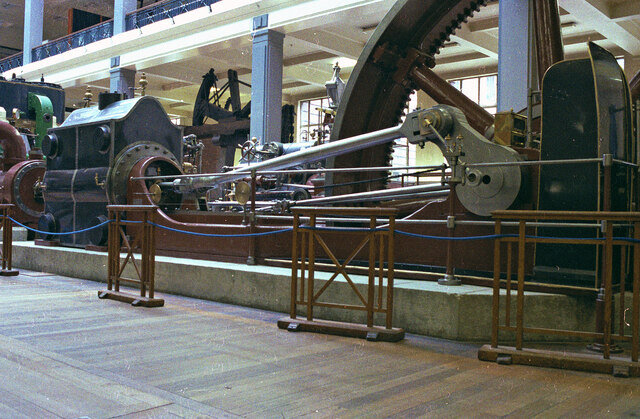
Beyond resources, Britain had a uniquely stable political and economic climate. Compared to its European rivals, who were dealing with revolutions and political turmoil, Britain had a relatively peaceful and stable government. Its legal system protected private property, giving entrepreneurs the confidence to invest in new ventures without fear that their assets would be seized. A sophisticated financial system was also emerging, with the Bank of England and provincial banks providing the capital necessary to fund large industrial projects. Thinkers like championed ideas of free markets and limited government interference, creating an ideological framework that encouraged enterprise.
A Global Reach
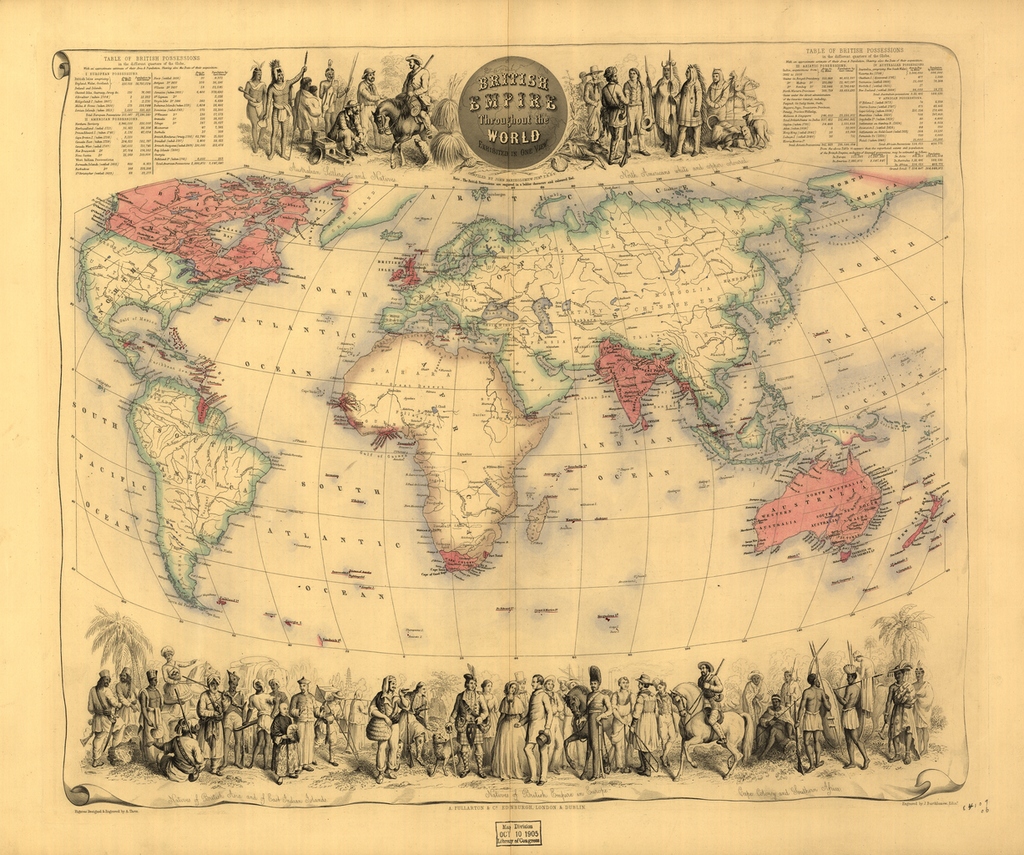
Britain's power wasn't just domestic. It commanded a vast overseas empire. Its colonies served two vital purposes: they were a source of cheap raw materials not available at home, like cotton from India and the American South, and sugar from the Caribbean. Just as importantly, these colonies formed a captive market, a massive base of consumers who were required to buy British manufactured goods.
This global trade was managed by powerful entities like the and protected by the world's strongest navy. The profits from this trade poured back into Britain, providing even more capital for industrial investment. This combination of agricultural surplus, population growth, abundant resources, political stability, and a global trade network created the perfect environment for an unprecedented economic takeoff.
Ready to test your knowledge on the foundations of the Industrial Revolution? Let's see what you've learned.
Which of the following was a direct consequence of the Agricultural Revolution in Britain?
What were the two key natural resources found in Britain that were essential for early industrialization?