The Indian Food Industry Explained
Introduction to Indian Food Industry
An Economic Powerhouse
The Indian food industry is more than just delicious meals; it's a massive engine for the country's economy. It's one of the largest sectors in India, playing a critical role in both economic output and daily life for hundreds of millions of people.
During the first half of 2022, agriculture contributed about 23% of the country's GDP while the industry and services sector had a share of the remaining 77%.
While agriculture forms the foundation, the entire food industry—including processing and services—represents an even larger slice of the economic pie. Beyond its contribution to the Gross Domestic Product (GDP), the sector is a colossal employer. It provides livelihoods for a huge portion of the Indian population, especially in rural areas where agriculture is often the primary source of income. This makes the health of the food industry directly linked to the well-being of a vast number of Indian families.
The Three Key Sectors
To understand the Indian food industry, it helps to break it down into three main parts: agriculture, food processing, and food services. Each part plays a distinct and vital role in the journey from farm to table.
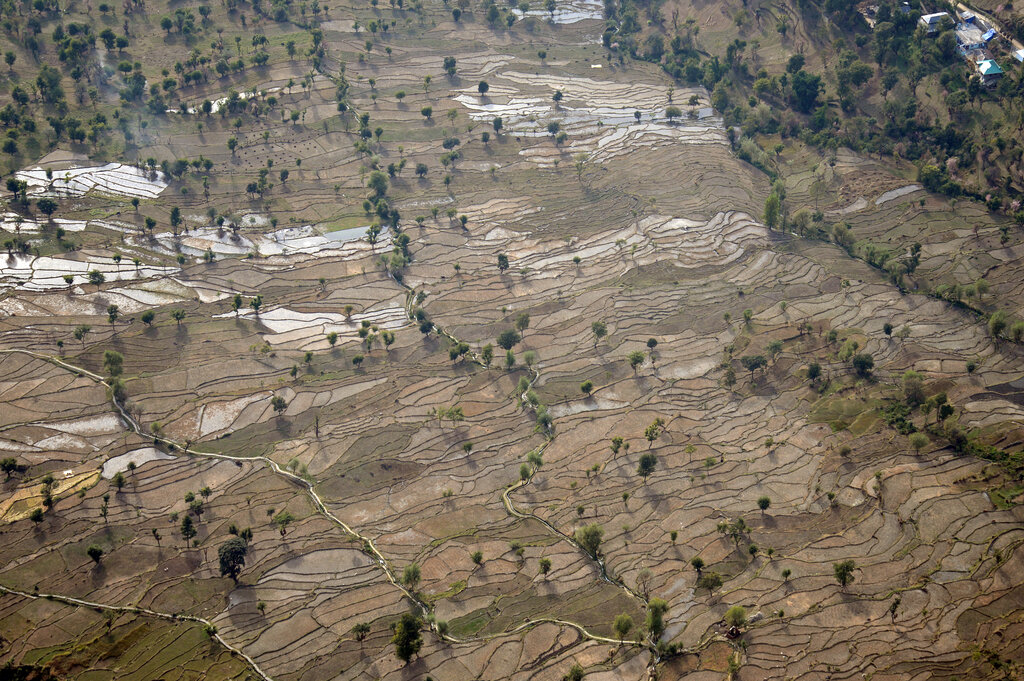
Agriculture is the starting point for everything. India is one of the world's largest producers of a wide variety of agricultural products, including milk, pulses, rice, wheat, and spices. The sheer scale and diversity of its farming output form the bedrock of the entire industry.
Next comes food processing. This is the crucial middle step where raw agricultural goods are transformed into products we see on store shelves. Think of wheat being milled into flour, fruits being made into jams, or milk being turned into cheese and yogurt. This sector adds significant value to raw materials, increases their shelf life, and makes them suitable for a wider market, both domestically and internationally. It's a rapidly growing area with immense potential for innovation.
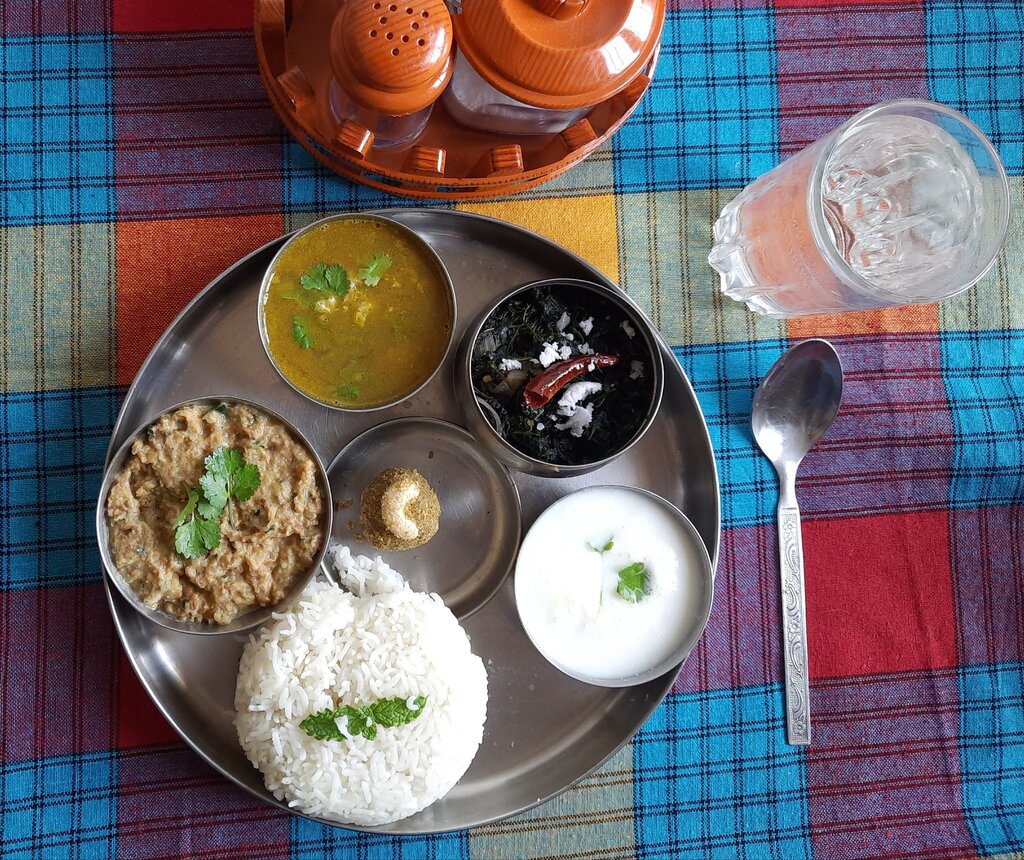
Finally, we have food services. This is the most visible part of the industry and includes everything from street food stalls and local cafes to fine-dining restaurants and large-scale catering operations. This dynamic sector is where consumers directly experience the end products of the food supply chain. It's a major source of urban employment and a vibrant part of India's culture and economy.
A Global Food Supplier
India isn't just feeding its own population; it's a major player on the world's stage. The country is a leading exporter of several key food commodities, leveraging its vast agricultural base to supply markets across the globe. From aromatic spices to staple grains, Indian products are in high demand.
| Product | Global Position | Key Facts |
|---|---|---|
| Rice | World's Largest Exporter | Accounts for roughly 40% of global rice trade. |
| Spices | World's Largest Producer | Known as the 'spice bowl of the world'. |
| Milk | World's Largest Producer | Produces over 20% of the world's milk. |
| Tea | World's 2nd Largest Producer | Famous for varieties like Darjeeling and Assam. |
The country's strategic location and long coastline also make it a significant exporter of marine products. As global demand for diverse and high-quality food products grows, India's role as a key supplier is set to expand even further.
What is a primary reason the Indian food industry is considered a 'massive engine' for the country's economy?
Which of the following best describes the role of the 'food processing' sector in India?
The Indian food industry's blend of large-scale agriculture, a growing processing sector, and a dynamic service industry makes it a cornerstone of the national and global economy.