The Impact of Fitness Testing on Student Health
Holistic Health Assessment
Beyond the Scorecard
Physical fitness assessments are shifting away from a simple measure of athletic ability. Instead of just seeing who can run the fastest mile or do the most push-ups, the focus is now on understanding a student's overall health. This marks a crucial distinction between skill-related fitness and health-related fitness.
Skill-related fitness includes components like agility, balance, and coordination—attributes that help you excel in a specific sport. Health-related fitness, however, focuses on aspects directly linked to long-term well-being: cardiovascular endurance, muscular strength, flexibility, and body composition. Think of it as the difference between being a great basketball player and having a healthy heart that will serve you for life.
Individual assessments identify current fitness levels, movement limitations, and health considerations that inform program design decisions.
This new perspective treats fitness data as a vital sign, much like blood pressure or heart rate. It provides a window into a student's physiological state, offering valuable clues about their current and future health.
Finding the Healthy Zone
One of the most significant changes in modern fitness assessment is the move away from peer-referenced scoring. In the past, your fitness was often graded on a curve, comparing your performance to that of your classmates. This approach created a competitive environment that could be discouraging for many.
The modern standard is the Healthy Fitness Zone (HFZ). This is a criterion-referenced approach, meaning each student's performance is compared against a scientifically established standard for good health, not against other students. The goal isn't to be the best, but to achieve a level of fitness associated with a lower risk of chronic disease and a higher quality of life. Whether you're at the top of the class or just starting, the target is the same: reach the zone that indicates good health.
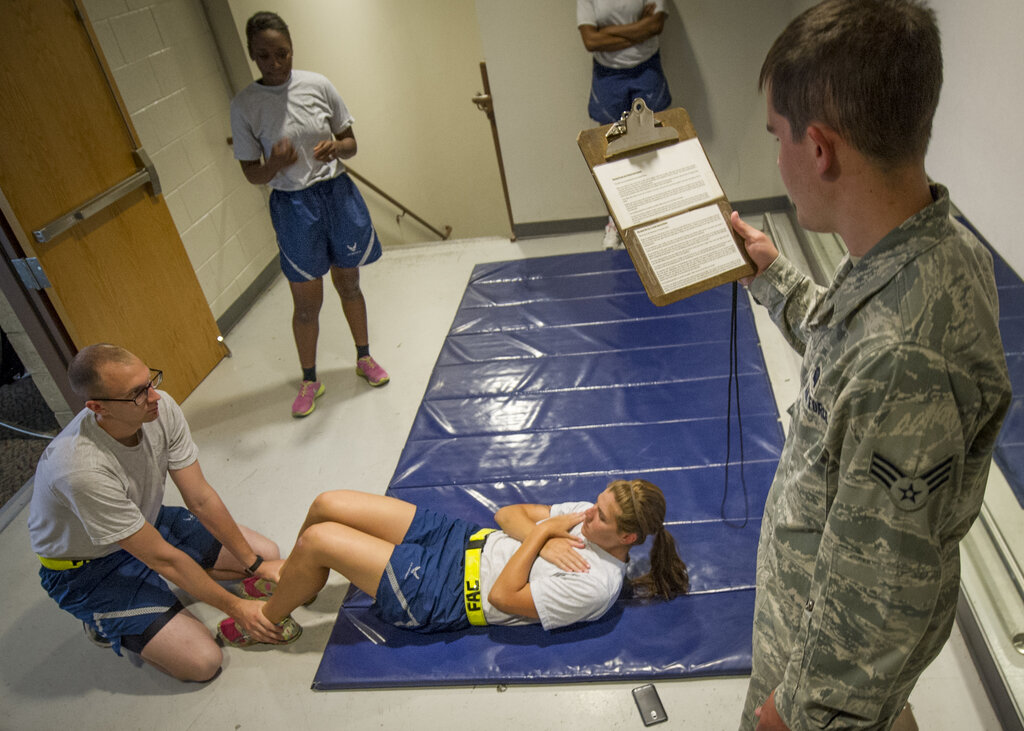
This shift makes fitness assessment more inclusive and educational. It reframes physical activity as a personal journey toward wellness, not a contest. The results can help educators and students create personalized plans to maintain or improve health, focusing on building sustainable habits.
More Than Just Muscle
The data from these assessments are powerful early detection tools. For instance, aerobic capacity, often measured as VO2 max (maximal oxygen uptake), is a strong predictor of cardiovascular health. A low VO2 max can be an early warning sign for increased risk of metabolic issues, including insulin resistance, which can lead to Type 2 diabetes.
Similarly, measures of musculoskeletal strength, like grip strength or the number of push-ups one can perform, are not just about muscle power. They correlate with bone density and overall functional strength. Poor results can indicate a need for intervention long before more serious health problems arise. By tracking these physiological markers, schools can play a proactive role in chronic disease prevention.
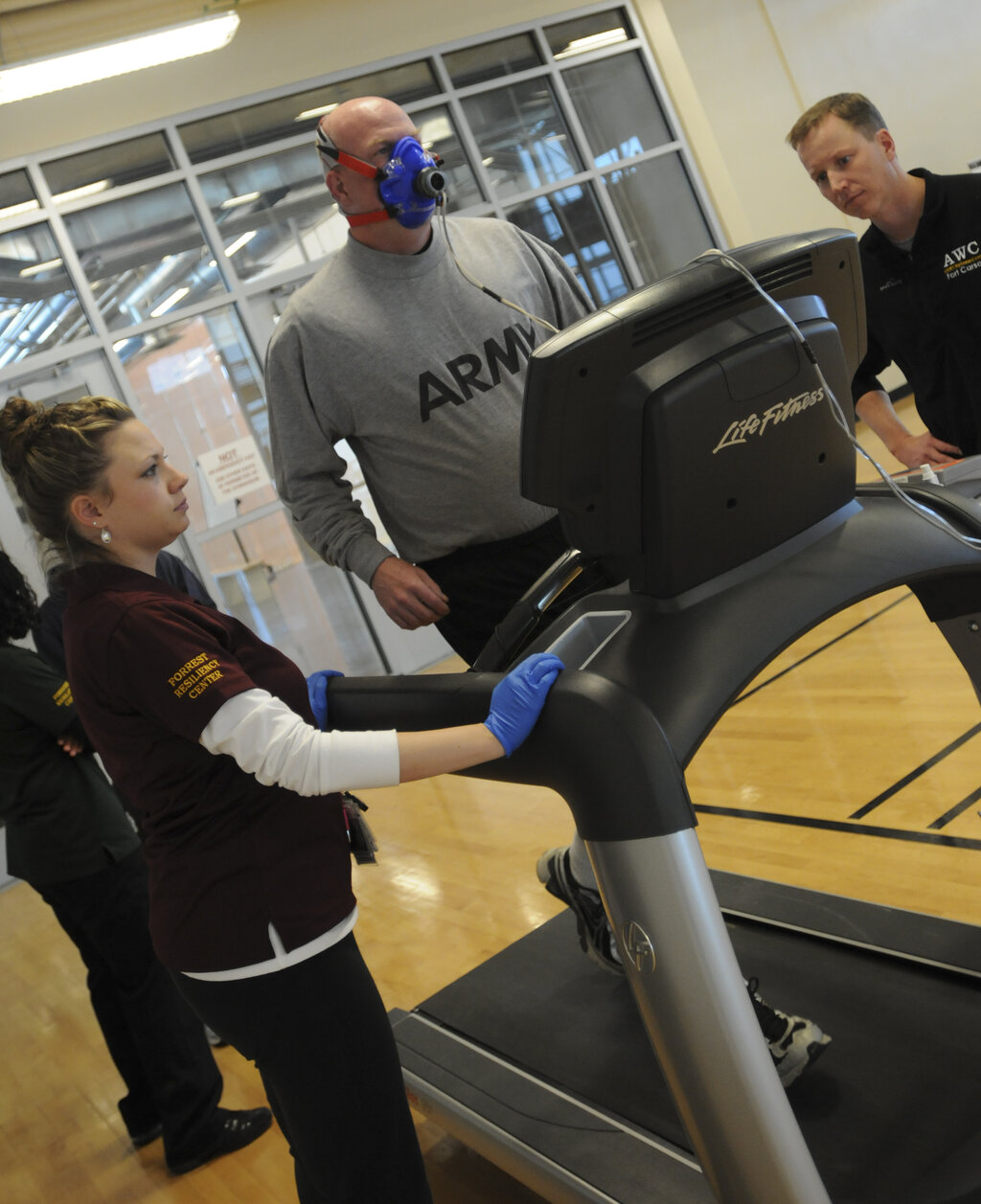
This data-driven approach allows for targeted health interventions. If a student shows declining aerobic capacity, it’s not a failing grade—it’s an opportunity to focus on cardiovascular exercise. If strength metrics are low, the focus can shift to resistance training. It’s about using information to build a healthier future.
A Sharper Mind
The benefits of physical fitness extend directly into the classroom. The connection between body and mind is not just a saying; it's a biological reality. Regular physical activity, particularly aerobic exercise, has a profound impact on cognitive function and academic achievement.
When we exercise, our bodies increase production of a protein called (BDNF). Often called 'Miracle-Gro for the brain,' BDNF supports the survival of existing neurons and encourages the growth of new ones, a process known as neurogenesis. It also strengthens synapses, the connections between neurons that are critical for learning and memory.
Higher levels of physical fitness are consistently linked to better attention, improved information processing, and stronger problem-solving skills. By promoting physical health, we are also directly investing in students' capacity to learn and succeed academically.
Now, let's review what you've learned about holistic health assessment.
What is the primary focus of health-related fitness assessments compared to skill-related fitness assessments?
The modern approach to fitness assessment uses the Healthy Fitness Zone (HFZ). How does this differ from older, peer-referenced methods?
Viewing fitness through a holistic lens transforms assessment from a simple test into a powerful tool for lifelong health.