The Iliad An Epic Journey
Introduction to 'The Iliad'
The Poet Behind the Poem
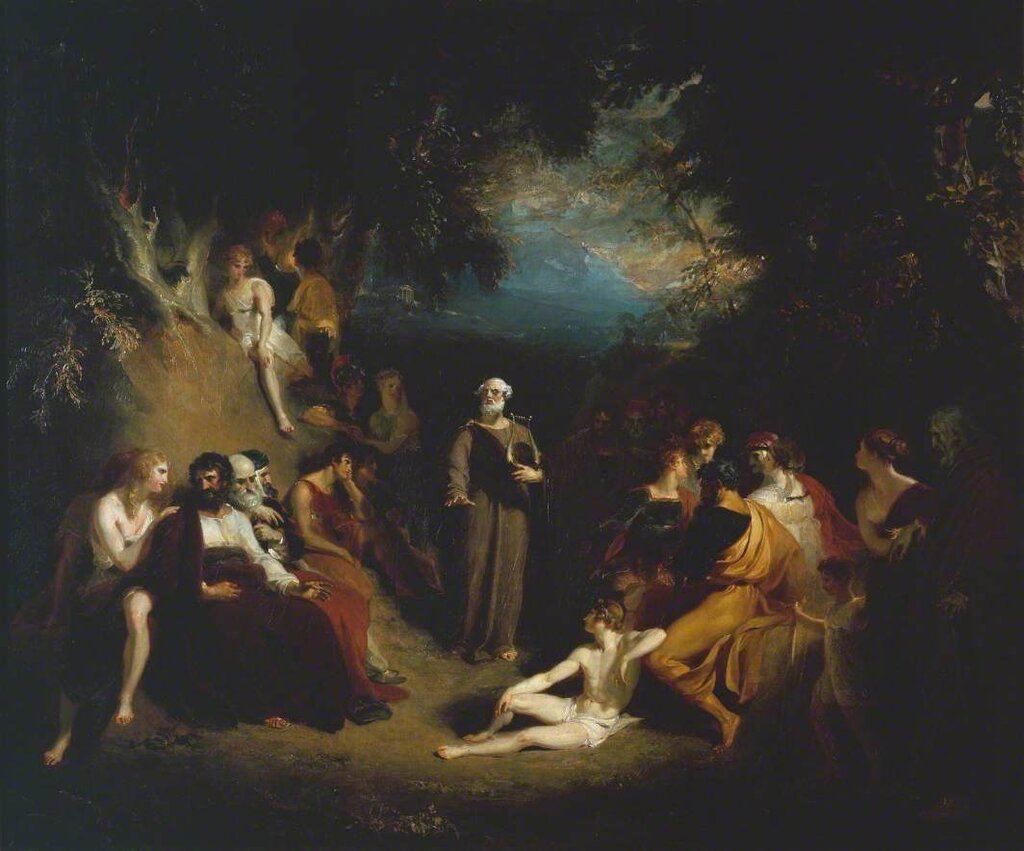
'The Iliad' is one of the cornerstones of Western literature, an epic poem that has fascinated readers for nearly three thousand years. But who wrote it? Tradition points to a single author: a blind poet named Homer.
The Iliad, attributed to the ancient Greek poet Homer, is one of the most significant works in Western literature.
The reality, however, is more complex. Scholars have long debated the “Homeric Question”—whether Homer was a real individual or a name attached to a long line of oral storytellers. For centuries, these tales were not written down. They were performed by professional bards who memorised and recited vast stretches of poetry, often improvising and adapting the stories for their audiences. The version of 'The Iliad' we read today was likely a product of this rich oral tradition, finally crystallised into a written text sometime around the 8th century BC.
A War of Myth and History
The poem is set during the Trojan War, a legendary conflict between a coalition of Greek kingdoms and the city of Troy. According to myth, the war began after the Trojan prince Paris abducted Helen, the most beautiful woman in the world, from her husband Menelaus, the king of Sparta.
While the story is filled with gods, goddesses, and larger-than-life heroes, it may have a historical core. Archaeologists believe the city of Troy was a real place, located at a site called Hisarlik in modern-day Turkey. Excavations have revealed a city that was destroyed and rebuilt many times, with one layer showing evidence of a violent conflict around the time the Trojan War was thought to have occurred. 'The Iliad', then, might be a blend of history and myth, an artistic retelling of a real Bronze Age conflict.
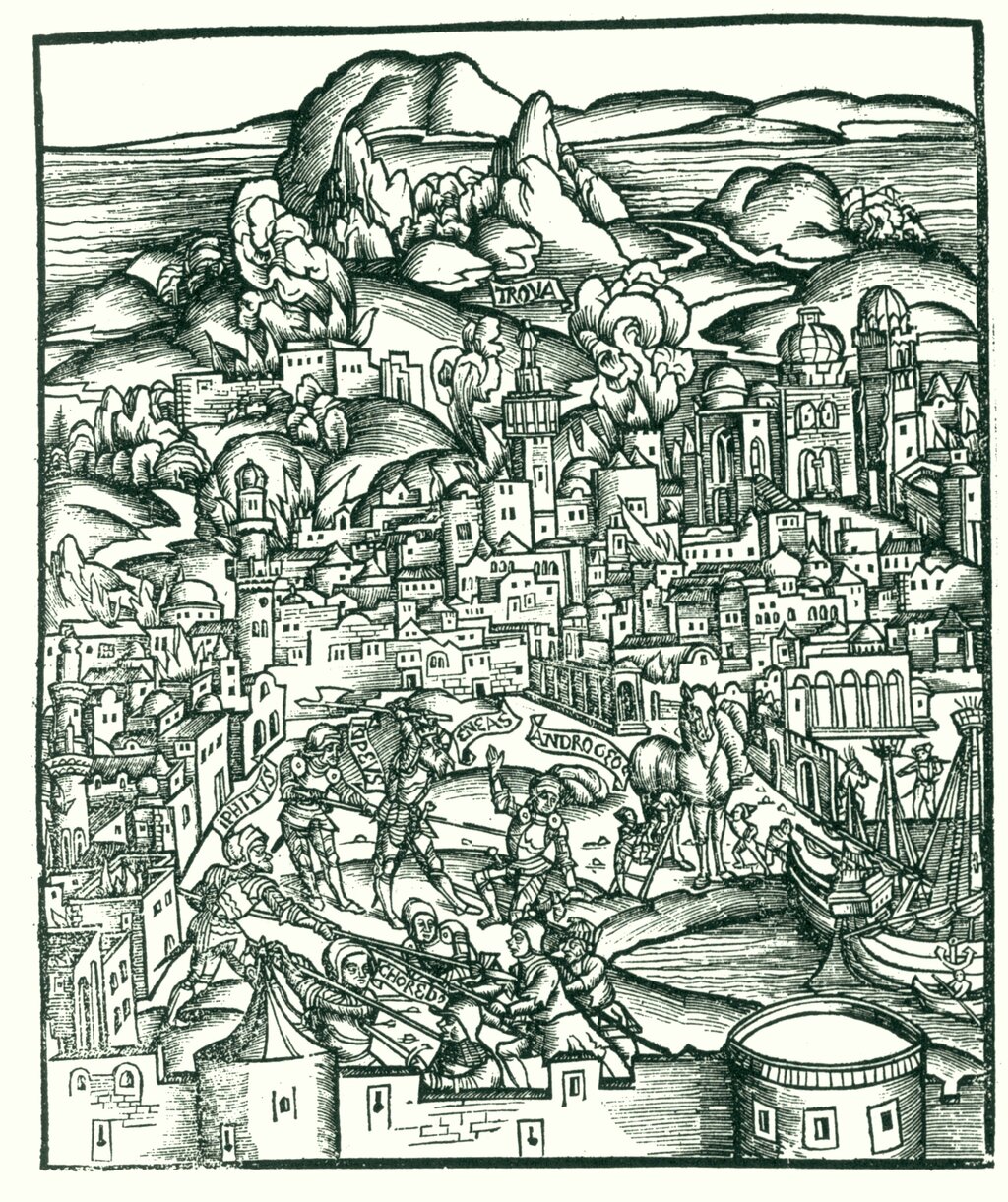
Crucially, the poem doesn't tell the entire story of the war. It doesn't show the abduction of Helen, the famous trick of the Trojan Horse, or the final sack of the city. Instead, it focuses on just a few weeks in the tenth and final year of the conflict.
One Piece of a Larger Puzzle
To its original audience, 'The Iliad' was just one part of a much larger collection of stories known as the Epic Cycle. This was a series of epic poems that, together, narrated the entire saga of the Trojan War, from its origins to its aftermath. Other poems in the cycle, such as the 'Cypria' (which told of the war's beginnings) and the 'Aethiopis' (which recounted the death of Achilles), filled in the rest of the story.
Sadly, 'The Iliad' and its companion piece, 'The Odyssey', are the only two epics from this cycle to survive in their entirety. The others are lost to history, known only through brief summaries or fragmented quotations by later authors. This context explains why 'The Iliad' starts so abruptly, plunging the reader directly into the action. Its first audiences already knew the backstory.
Understanding this background—the mysterious poet, the blend of myth and history, and its place in a lost cycle of stories—is the first step to appreciating this ancient masterpiece.