The Iditarod Adventure
Introduction to the Iditarod
The Last Great Race on Earth
Every March, a unique and grueling contest kicks off in Alaska: the Iditarod Trail Sled Dog Race. It’s a long-distance race where teams of dogs and their human guides, called mushers, cross more than 1,000 miles of rugged Alaskan wilderness. The trail stretches from Anchorage to Nome, following a path with deep historical roots.
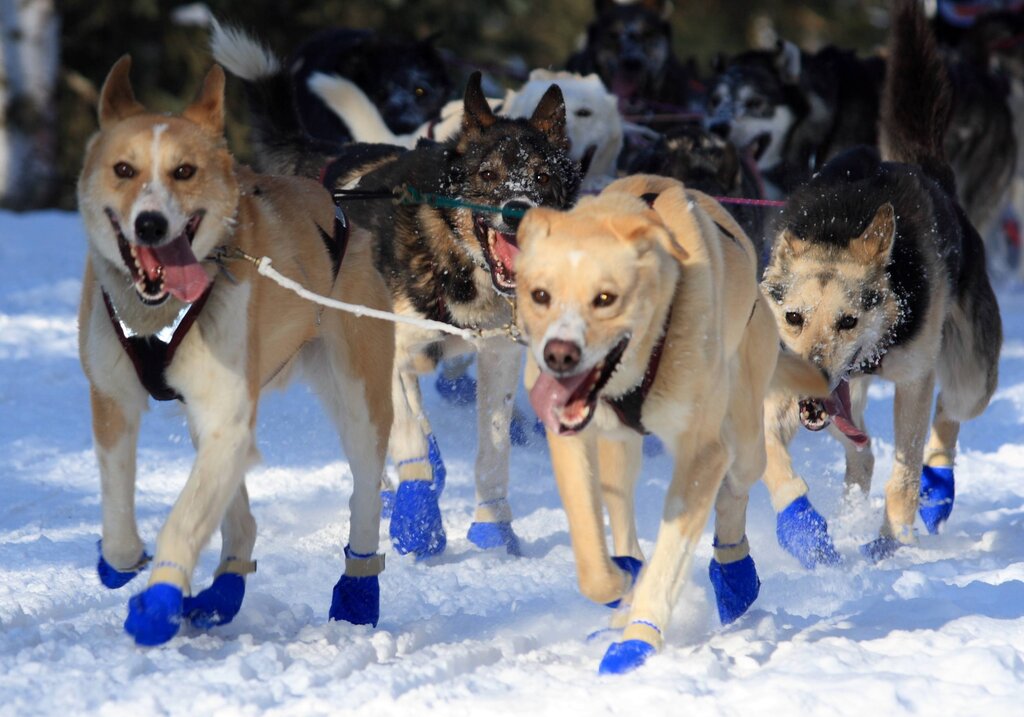
The race isn’t just a modern sporting event. It commemorates a vital piece of Alaskan history. The Iditarod Trail was once a critical supply route, connecting remote, snowed-in communities. Mail, food, and other necessities were all delivered by dog sled.
The race's most famous inspiration is the 1925 serum run to Nome, where a relay of dog sled teams rushed a life-saving diphtheria antitoxin across the state to stop an epidemic. This heroic effort cemented the importance of sled dogs in Alaskan culture.
Today, the Iditarod honors this legacy. While modern transportation has replaced the everyday need for dog sleds, the race keeps the tradition alive. It has become a major cultural event in Alaska, drawing global attention and celebrating the incredible endurance of both the dogs and the mushers.
Musher
noun
The person who drives a dogsled team.
How the Race Works
The Iditarod follows a fairly straightforward set of rules, though completing it is anything but simple. Each team consists of a single musher and a team of 12 to 14 dogs. The goal is to be the first team to reach the finish line in Nome. The journey typically takes between 8 and 15 days, depending on weather and trail conditions.
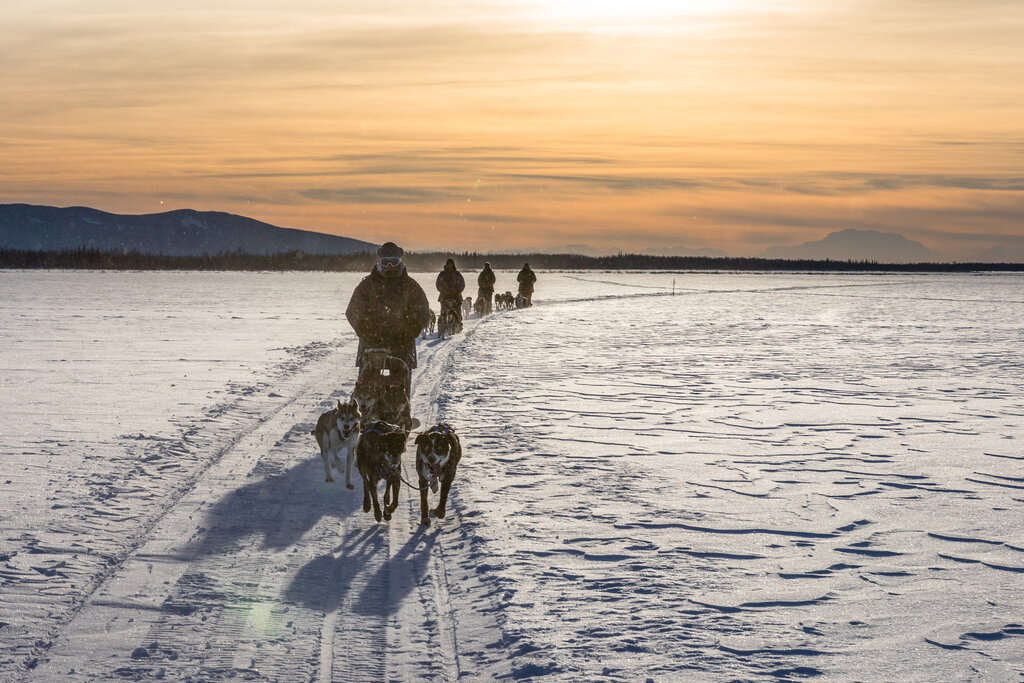
The race trail alternates between a northern and a southern route on odd and even years. This allows more small villages to participate in the event. Along the way, mushers must stop at a series of checkpoints. Here, veterinarians check the health of the dogs, and mushers can rest and resupply.
| Rule | Requirement |
|---|---|
| Team Size | 12-14 dogs at the start, at least 5 at the finish. |
| Checkpoints | Mandatory stops for rest and vet checks. |
| Mandatory Layovers | One 24-hour stop and two 8-hour stops. |
| Outside Help | Not allowed between checkpoints. Mushers must be self-sufficient. |
Mushers carry mandatory gear, including an arctic parka, a heavy-duty sleeping bag, an ax, snowshoes, and enough food for themselves and their dogs. This ensures they are prepared for the harsh, unpredictable conditions of the Alaskan wild. The race is a test of strategy, endurance, and the powerful bond between a musher and their dogs.
Think you've got the basics down? Test your knowledge on the Iditarod.
What is the historical significance of the Iditarod Trail?
What is the typical size of a sled dog team at the start of the Iditarod?
The Iditarod is more than a race; it's a living piece of history that pushes its participants to the absolute limit.