The ICT Unicorn Model Explained
Introduction to Startup Evaluation
Why Bother Evaluating Startups?
A brilliant idea is just the start. Thousands of promising startups are launched every year, but most don't survive. Evaluating a startup isn't about predicting the future with perfect accuracy; it's about separating promising ventures from those likely to stumble. It's a structured way to peek behind the curtain and assess the real potential for success.
For investors, this process is crucial for managing risk and allocating capital wisely. For founders, a self-evaluation can reveal weaknesses in their plan, highlight strengths to pitch, and ultimately increase their chances of building a lasting business.
Recognizing the key traits and indicators that signal a startup’s future success can significantly enhance investment decisions.
Gazing into a Crystal Ball
Evaluating a large, established company is relatively straightforward. You can analyze years of financial data, market share, and brand recognition. But early-stage startups are different. They have little to no track record.
Assessing them often involves:
- No Financial History: They typically have no revenue, let alone profit. Traditional valuation methods that rely on cash flow don't work.
- High Uncertainty: Their target market might not be fully understood, the technology could be unproven, and the business model is often just a hypothesis.
- Dependence on the Team: The success of the venture rests almost entirely on the shoulders of its founders. Their skills, resilience, and vision are paramount.
This lack of concrete data makes the process feel more like an art than a science. Investors and founders are betting on a future that hasn't been written yet.
Frameworks for the Future
To bring order to this uncertainty, the startup world relies on evaluation frameworks. These aren't rigid formulas, but rather mental models that guide analysis by breaking down a complex venture into its essential parts. Think of them as a checklist to ensure you're asking all the right questions.
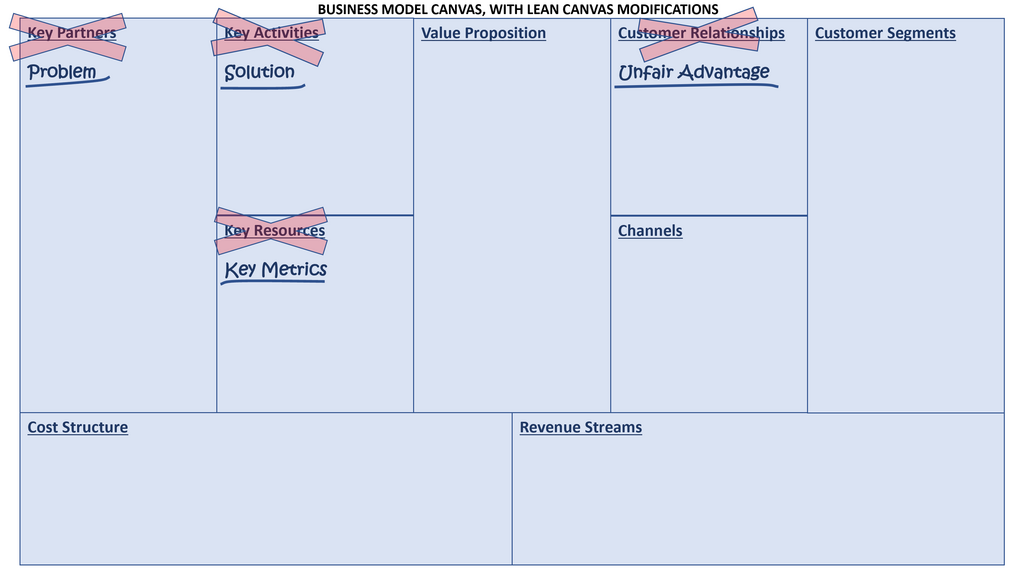
While frameworks vary, they almost always focus on a few core areas.
The Team: Is the founding team uniquely equipped to solve this problem? Do they have relevant experience, a deep understanding of the market, and the grit to overcome inevitable obstacles? Many investors believe the team is the single most important factor.
At the stage we invest, most of our due diligence focuses on two things: The quality of the founding team and the size/attractiveness of the market opportunity.
The Market: How big is the potential opportunity? Is the startup addressing a small niche or a massive, growing market? A great team with a breakthrough product can still fail if there aren't enough customers who need what they're selling.
The Product: What is the actual solution, and how is it unique? Does it solve a customer's problem in a way that is ten times better, faster, or cheaper than existing alternatives? This is often called the startup's "unfair advantage."
The Business Model: How will the company make money? The plan for acquiring customers, pricing the product, and scaling operations must be credible and sustainable.
By systematically examining these pillars, you can build a comprehensive picture of a startup's potential and identify the critical risks it faces.