The ICAN Satellite Program
Introduction to ICAN
A Network in the Sky
Military operations rely on fast, secure communication. For ground troops, this means radios and satellite links. But what about aircraft flying at high speeds, miles apart from each other and from command centers on the ground? They need a way to share complex data—like targeting information, live video feeds, and mission updates—instantly and securely. A simple radio call won't cut it.
This is the problem the Interim Capability for Airborne Networking (ICAN) was designed to solve. Developed for the United States Air Force, ICAN created a high-speed, internet-like network that connected different aircraft in the air and linked them to ground stations. It essentially acted as a flying router, allowing various planes, like bombers and command-and-control aircraft, to talk to each other seamlessly.
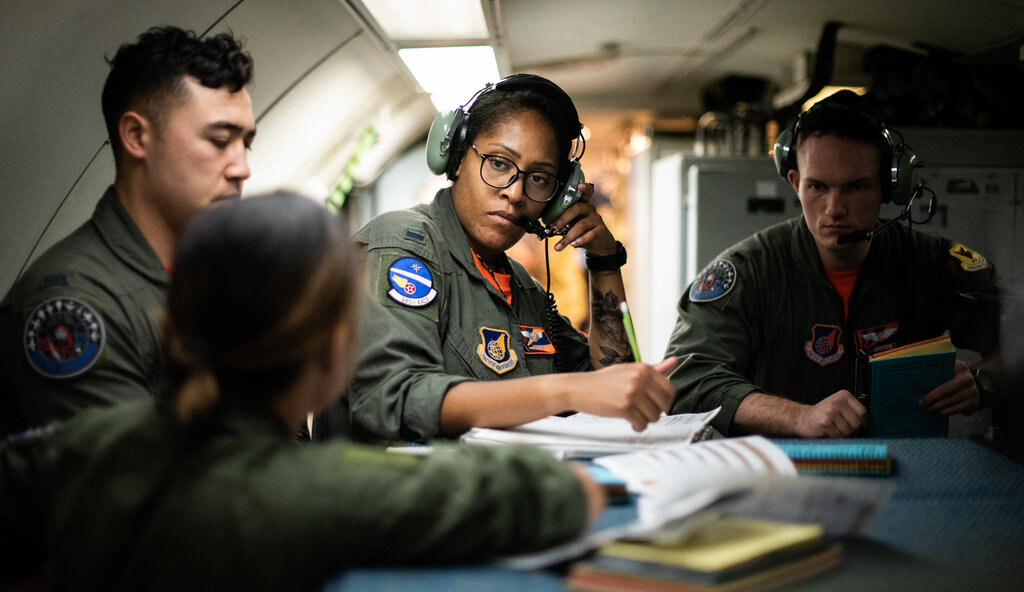
Think of it as a secure Wi-Fi network in the sky. This system allows for the kind of data sharing we take for granted on the ground, but in a much more challenging and hostile environment. The defense technology company Northrop Grumman led the development of this critical capability.
A Foundational Step
The "Interim" in ICAN's name is important. The system was never intended to be the final solution. Instead, it was a crucial stepping stone, a proof of concept for a much larger and more ambitious project: the Joint Capability for Airborne Networking (JCAN).
ICAN allowed the Air Force to test the hardware, software, and operational tactics needed for airborne networking. It provided valuable lessons on what worked and what didn't, paving the way for a more robust and widespread system that could be used across different branches of the military. By proving the concept, ICAN laid the essential groundwork for the future of military communication.
What was the primary problem the Interim Capability for Airborne Networking (ICAN) was designed to solve?
The 'Interim' in ICAN's name signifies that the system was a temporary solution that ultimately failed.