The Humble Pin
Introduction to Pins
What Is a Pin?
At its core, a pin is a simple tool designed to fasten or join things together. Think of a piece of paper you want to hang on a corkboard, or two pieces of fabric you need to hold in place while sewing. A pin does the job by piercing the materials and holding them with friction.
Pin
noun
A thin piece of metal, wood, or plastic, typically with a pointed end and a blunt or enlarged head, used for fastening objects together.
While the concept is straightforward, the design of a pin is intentional. It consists of three basic parts that work together to make it effective.
The head provides a surface to push the pin in and stops it from going all the way through the material. The shaft is the main body, providing length and strength. Finally, the point is the sharp end that pierces the material with minimal effort.
Common Pin Types
Pins come in many shapes and sizes, each suited for a specific task. You’ve likely encountered several types in your daily life, even if you didn't think much about them.
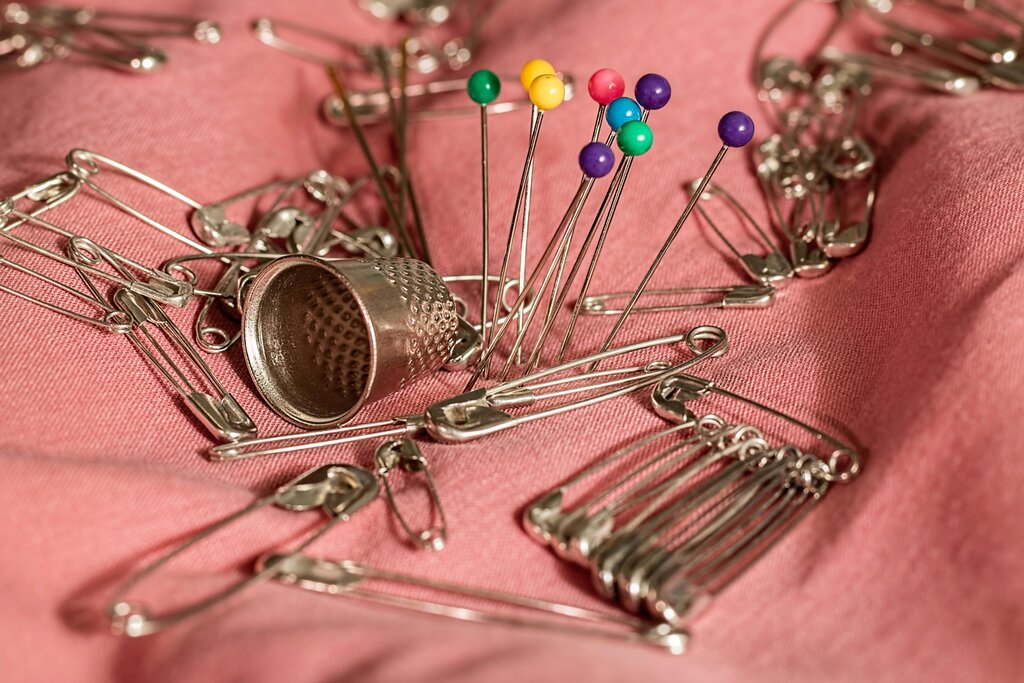
The most basic is the straight pin, often used in sewing and crafts. It's just a simple shaft with a head and a point. A safety pin is a variation that includes a clasp to cover the point, making it safer to use on clothing by preventing accidental pokes and keeping it securely fastened.
Another common type is the cotter pin. It’s not used for fabric, but for machinery. A cotter pin has two prongs that are bent after being inserted through a hole in a bolt or axle. This bending action locks a nut or wheel in place, preventing it from vibrating loose.
Different jobs require different tools. A safety pin is great for a torn shirt, but you wouldn't use it to hold a wheel on a car.
Materials Matter
The material a pin is made from is crucial to its function. Strength, resistance to rust, and cost are all important factors. Most pins are made of metal, but other materials are also used.
| Material | Common Uses | Key Properties |
|---|---|---|
| Steel | Sewing pins, cotter pins | Strong, durable, often coated to prevent rust |
| Brass | Upholstery, jewelry | Resists rust, has a decorative gold-like appearance |
| Plastic | Craft projects, map pins | Lightweight, colorful, not as strong as metal |
Hardened steel is a popular choice for its strength, especially for pins that need to withstand force, like those used in mechanics. Brass is softer but won't rust, making it ideal for situations where moisture is a concern. Plastic heads are often added to metal pins to make them easier to handle.
Ready to check your understanding? Let's see what you've learned about the fundamentals of pins.
What is the primary mechanism that allows a pin to fasten objects together?
Which part of a pin is designed to pierce materials with minimal effort?
Pins are simple but effective tools, with each part of their design serving a clear purpose.