The Humble Candle
Origins of Candles
The First Flames
Long before the candles we know today, ancient civilizations found clever ways to create light. These early forms of candles weren't invented in one place. Instead, they emerged independently across the globe, with each culture using the natural resources available to them.
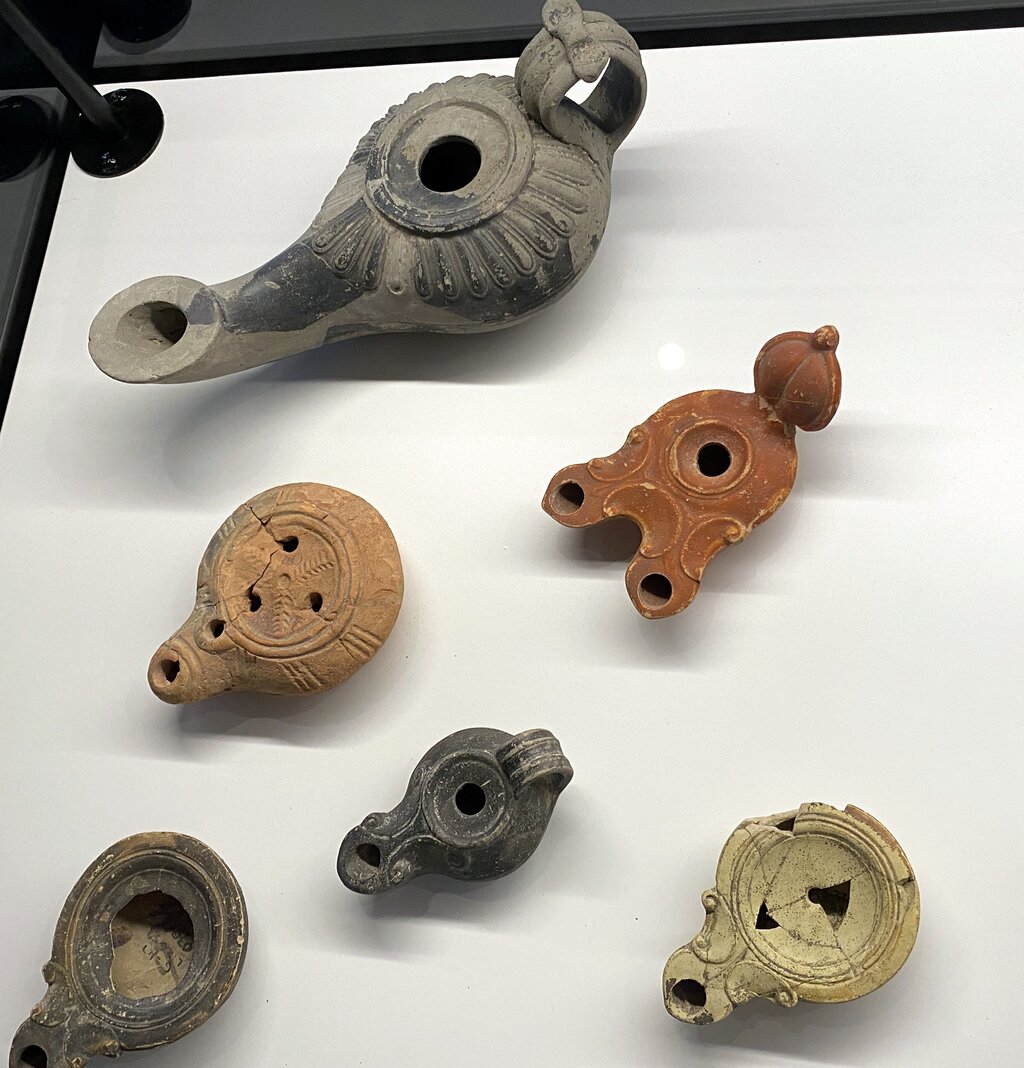
The ancient Egyptians, for example, created some of the earliest candle-like devices around 3000 B.C. They made rushlights by soaking the pithy core of reeds in melted animal fat. These simple torches had no wick, but they provided a steady, if smoky, source of light.
Rushlights were essentially a primitive candle, using a plant stalk as a wick holder and animal fat as fuel.
The Romans were among the first to develop a true wicked candle. They started by dipping rolled papyrus repeatedly into melted tallow, which is rendered beef or mutton fat. These tallow candles were cheap and widely used for lighting homes and traveling after dark.
tallow
noun
A hard, fatty substance made from rendered animal fat, used in making candles and soap.
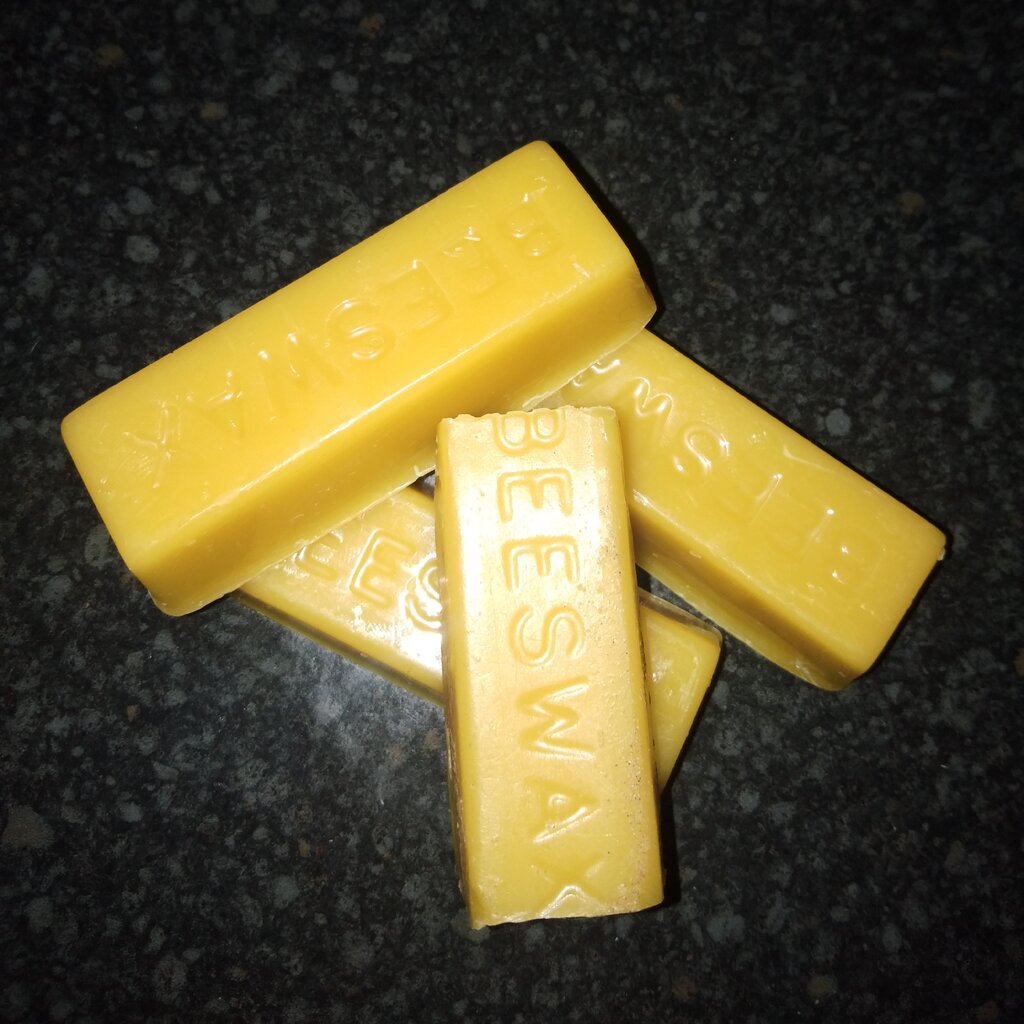
However, tallow candles had a downside: they produced a foul smell when burned. For those who could afford it, there was a much better alternative: beeswax. Beeswax candles burned with a clean, bright flame and had a pleasant, sweet scent. Because of their high cost, they were mostly reserved for churches and the homes of the wealthy.
Candles Across Asia
In ancient China, candles were being crafted from different materials. Early Chinese candles, dating back to the Qin Dynasty around 200 B.C., were made from whale fat. Later, during the Tang dynasty, candlemakers used a wax derived from insects, which was molded in paper tubes.
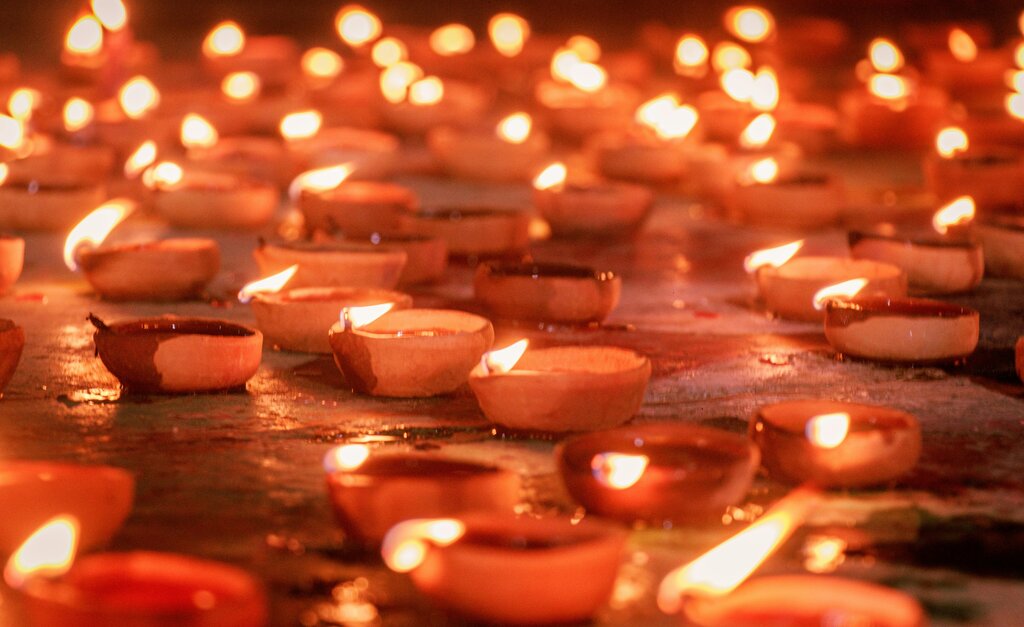
Meanwhile, in India, a unique type of candle wax was created by boiling the fruit of the cinnamon tree. This process yielded a fragrant wax that was used for temple candles and religious ceremonies.
In Japan, wax was extracted from tree nuts. This produced a harder, more durable candle than those made from animal fats. The Japanese developed a distinct style of candle called "warosoku," which had a hollow wick made from rolled paper, allowing for a brighter flame.
Let's review the different materials used by these ancient civilizations.
What material did the ancient Egyptians use to create their early candle-like rushlights around 3000 B.C.?
In ancient Rome, what was the main disadvantage of using candles made from tallow?
From reeds dipped in fat to wax boiled from cinnamon, these early innovations lit the way for thousands of years, serving practical and spiritual needs across the ancient world.