The Human Skeleton Unveiled
Introduction to the Human Skeleton
Your Body's Framework
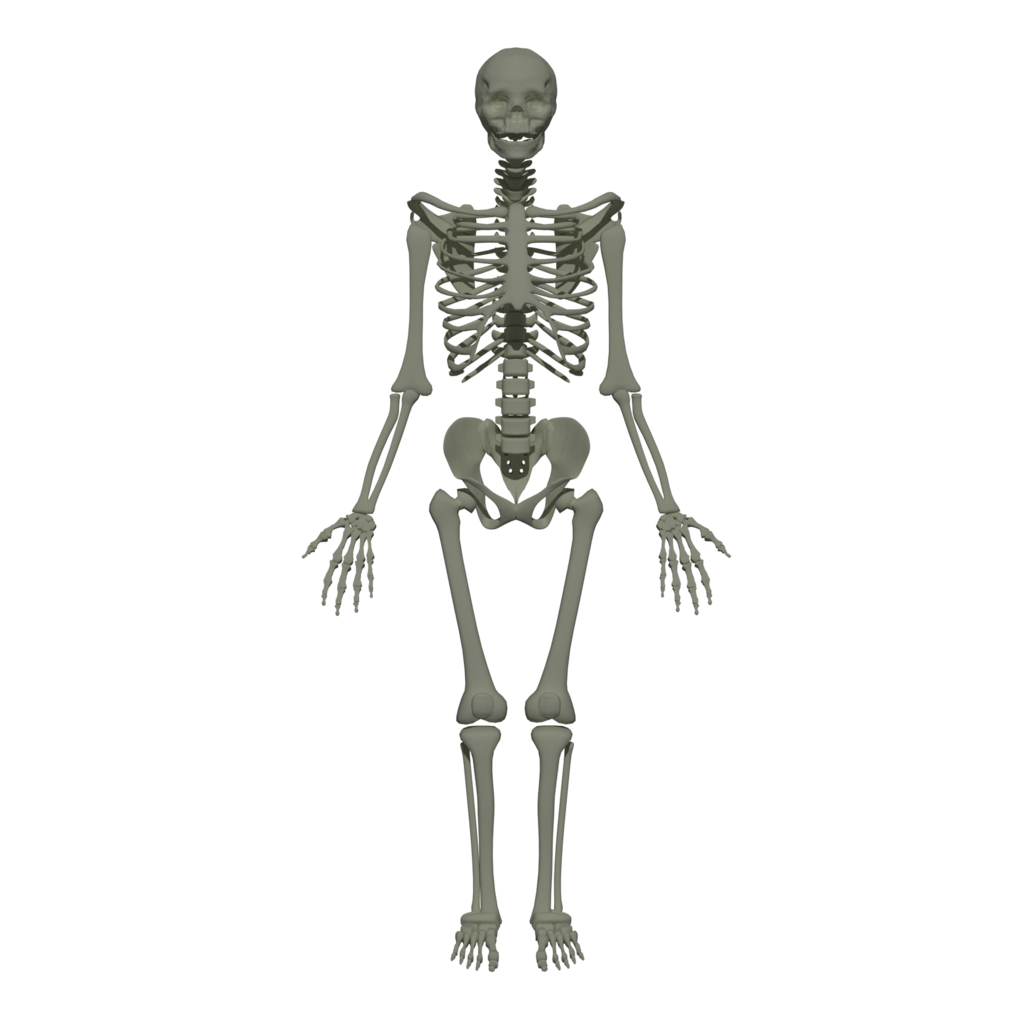
The human skeleton is the internal framework of your body. Think of it as the scaffolding that gives you shape, but it's much more than just a rigid structure. It's a living, dynamic system made up of bones, cartilage, and ligaments. An adult human has 206 bones, which is actually fewer than we're born with. Babies have around 300 bones, but many of these fuse together as we grow.
Two Skeletons in One
To make sense of all these bones, anatomists divide the skeleton into two main parts: the axial skeleton and the appendicular skeleton. Each has a distinct role.
The axial skeleton forms the central axis of the body. It includes the skull, the vertebral column (your spine), and the thoracic cage (your ribs and sternum). Its primary job is to protect your most vital organs, like the brain, spinal cord, heart, and lungs. It provides the core support for your entire body.
The appendicular skeleton consists of everything that “appends” or attaches to the axial skeleton. This includes the bones of your upper and lower limbs (arms and legs), plus the pectoral girdle (shoulder bones) and the pelvic girdle (hip bones) that connect your limbs to the central axis. This part of the skeleton is all about movement.
This division helps us understand how different parts of the skeleton contribute to its overall functions.
More Than Just Support
While providing shape and support is a key job, our bones do much more. They are crucial for several vital functions.
Protection: The hard structure of bone is perfect for shielding delicate organs. Your skull protects your brain, and your rib cage guards your heart and lungs from injury.
Movement: Bones act as levers that muscles pull on to produce movement. Every time you walk, write, or nod your head, your muscular and skeletal systems are working together. This is why they are often referred to collectively as the musculoskeletal system.
Mineral Storage: Bones are the body's main reservoir for important minerals, especially calcium and phosphorus. If your body needs these minerals for other functions, it can draw them from your bones. This storage helps maintain stable mineral levels in your blood.
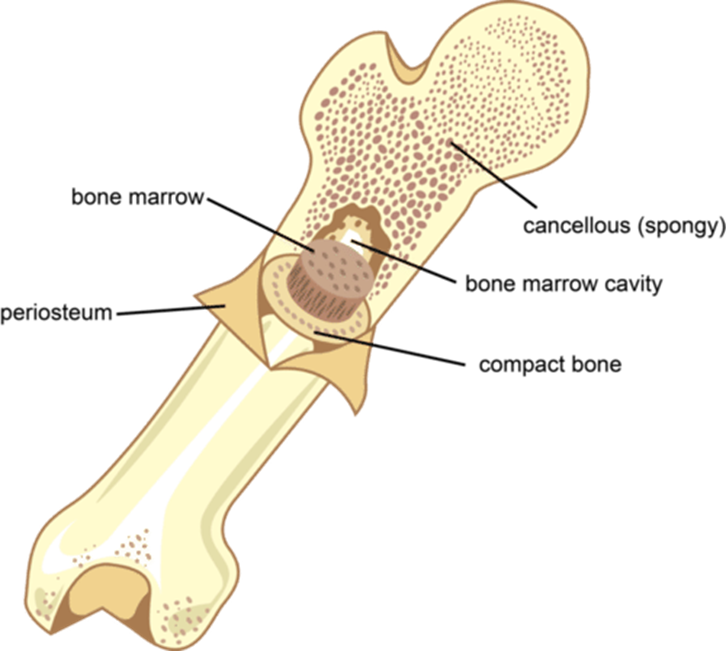
Blood Cell Production: This might be the most surprising function. Deep inside some of your larger bones is a soft tissue called bone marrow. This is where hematopoiesis, the production of new red blood cells, white blood cells, and platelets, takes place.
So, from providing the structure that lets you stand tall to producing the blood that runs through your veins, the skeleton is a fundamental and active part of what keeps you alive and moving.
How many bones does a typical adult human have?
Which of the following bone groups is part of the appendicular skeleton?
This overview provides the basic blueprint of the human skeleton. Understanding these core concepts is the first step before diving into the specific bones that make up this incredible system.