The Human Self Unveiled
Introduction to the Self
What is the Self?
Who are you? It seems like a simple question, but the answer is surprisingly complex. Your 'self' isn't just one thing. It's a rich tapestry woven from your body, your mind, and your connections to the world around you. Think of it less as a fixed object and more as an ongoing process, a story that's constantly being written.
Your self is the unique combination of your physical body, your inner thoughts and feelings, and the roles you play in the lives of others.
The Biological Self
At the most basic level, you are a biological organism. Your unique DNA provides the initial blueprint, influencing everything from your height and eye color to certain personality tendencies. Your brain, a complex network of neurons and synapses, is the physical headquarters of your thoughts, memories, and emotions. It's the hardware that runs the software of your mind.
This biological foundation is the anchor for your sense of self. When you feel hunger, tiredness, or the rush of adrenaline, it's your body communicating. This physical experience is the most fundamental layer of who you are. It’s the constant, tangible reality that houses your entire personal world.
The Psychological Self
Beyond the physical, there is your inner world. This is the psychological self, composed of your unique patterns of thought, your feelings, and your memories. It’s your personality—the consistent ways you tend to behave. Are you outgoing or reserved? Cautious or adventurous? These traits are key parts of how you understand yourself.
Your memories form the narrative of your life, connecting your past experiences to your present identity. Your emotions provide the color and texture to that story. These internal elements are in constant conversation with each other. A thought can trigger a feeling, which can lead to a specific behavior, which in turn creates a new thought.
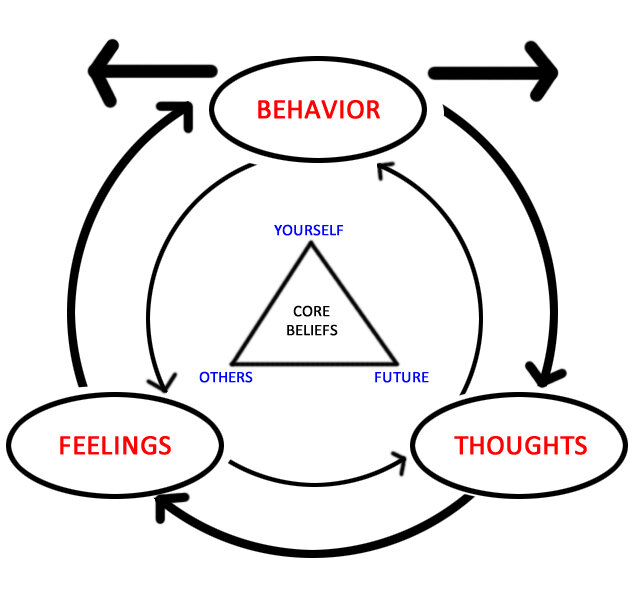
This internal landscape is private and subjective. No one else can directly access your thoughts or feel your emotions exactly as you do. This inner experience is central to your sense of being a distinct individual.
The Social Self
We don't exist in a vacuum. A huge part of who we are is defined by our relationships with others. This is the social self. You are a son or daughter, a friend, a student, an employee, a teammate. Each of these roles comes with certain expectations and behaviors that shape your identity.
You learn about yourself by seeing how others react to you. A compliment can boost your self-esteem; a criticism might make you question your abilities. We constantly compare ourselves to others, which helps us gauge our own skills and define our place in a group. Our sense of self is not just built from the inside out; it's also built from the outside in, reflecting the society and people that surround us.
These biological, psychological, and social dimensions are not separate selves. They are constantly interacting, influencing one another to create the single, unified experience of being you. Your biology affects your mood, your thoughts shape your social interactions, and your social life can impact your physical health. Understanding these facets helps us appreciate the rich complexity of the self.
According to the text, which of the following best describes the 'self'?
Your unique personality, memories, and private feelings are all core components of which dimension of the self?