The Human Penis Explained
External Anatomy
The External Structure
The penis is an external male reproductive organ. While it has a complex internal structure, its external anatomy can be understood by looking at three main sections: the root, the shaft, and the glans.
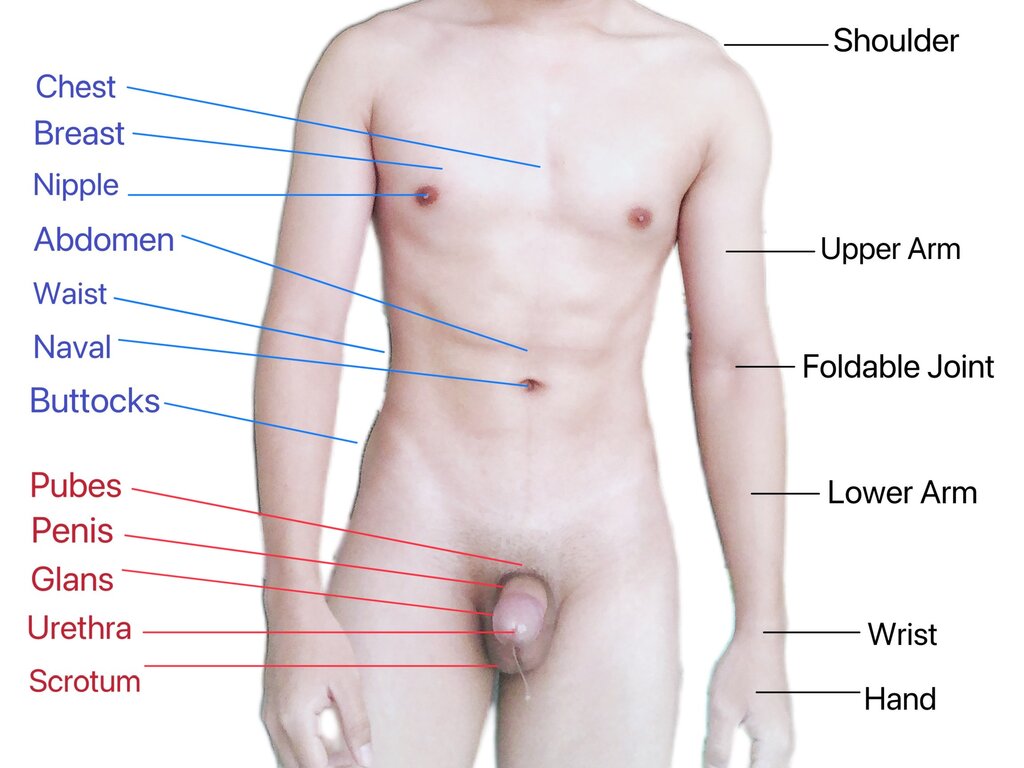
The root of the penis is the part that attaches it to the pelvic bone and lower abdominal wall. You can't see the root from the outside, as it's located inside the body, anchoring the entire structure.
Think of the root like the roots of a tree. It's the hidden foundation that provides stability and connection.
The shaft is the main, visible part of the penis, extending from the body to the tip. It's cylindrical and contains the tube through which urine and semen pass. The skin on the shaft is typically loose to allow for changes in size during an erection.
The Glans and Its Features
At the very end of the shaft is the glans penis, often called the head or tip. This cone-shaped end is usually the most sensitive part of the penis due to a high concentration of nerve endings.
glans
noun
The rounded, sensitive part at the end of the penis.
In uncircumcised males, the glans is covered by a retractable layer of skin called the foreskin, or prepuce. This skin protects the glans. It can be pulled back to expose the glans underneath.
On the underside of the penis, a small, elastic strip of tissue called the frenulum connects the foreskin to the glans. This helps the foreskin return to its normal position after being retracted.
Finally, at the very tip of the glans is the meatus, which is the opening of the urethra. This is where both urine and semen exit the body.
Which part of the penis anchors the organ to the pelvic bone?
The cone-shaped head of the penis, which has a high concentration of nerve endings, is known as the:
These external parts work together to serve the penis's roles in both the urinary and reproductive systems.