The Human Microbiome Explained
Introduction to the Human Microbiome
Your Microbial Self
You are not just you. You are a walking, talking ecosystem. Trillions of microscopic organisms live on your skin, in your mouth, and throughout your gut. This bustling community of bacteria, fungi, viruses, and other microbes is known as the human microbiome.
microbiome
noun
The community of microorganisms (such as bacteria, fungi, and viruses) that inhabit a particular environment, especially the collection of microorganisms living in or on the human body.
For every one of your human cells, there are about as many microbial cells. When you look at the genetic material, the difference is even more staggering. The human genome contains about 20,000 genes, but the microbiome contributes millions.
Genetically speaking, we are more microbe than human.
These microbes aren't invaders. They are ancient partners that have co-evolved with humans for millennia. From the moment we are born, this relationship begins, shaping our bodies and our health in fundamental ways.
A World Within
The microbiome isn't one single community; it's a collection of distinct ecosystems. The environment on your forearm is as different from your gut as a desert is from a rainforest. Each body site hosts a community of microbes uniquely adapted to that specific location.
The gut microbiome, located primarily in the large intestine, is the most densely populated and well-studied of these communities. In contrast, the skin microbiome varies dramatically depending on whether an area is oily, dry, or moist. The oral and nasal microbiomes act as gatekeepers, representing the first point of contact for substances we eat and breathe.
Our Microbial Partners
These microbial communities are far from passive residents. They are active participants in our health, performing tasks our own bodies can't.
One of their most critical jobs is helping with digestion. Our gut microbes break down complex carbohydrates, like fiber, that our own enzymes can't handle. In the process, they produce essential nutrients, including certain B vitamins and vitamin K.
They also play a huge role in our immune system.
The microbiome is essential for developing and calibrating immunity; microbial metabolites (like short-chain fatty acids, or SCFAs) help keep inflammation in check and support tolerance to harmless inputs (like food and friendly microbes).
By occupying space and consuming resources, a healthy microbiome prevents harmful, disease-causing microbes from gaining a foothold. It's a classic case of strength in numbers.
An Ever-Changing Landscape
Your microbiome is not static. It changes throughout your life and can even shift from day to day. Several key factors influence its composition.
- Age: A baby's microbiome is seeded at birth and develops rapidly during the first few years of life, stabilizing in adulthood and changing again in old age.
- Diet: What you eat is one of the most powerful levers for shaping your gut microbiome. High-fiber foods like fruits and vegetables feed beneficial microbes, while diets high in processed foods can have the opposite effect.
- Environment: Where you live, who you live with, and whether you have pets all leave a microbial signature.
- Genetics: Your genes play a role in determining which microbes feel most at home in your body.
- Medications: Antibiotics, in particular, can have a dramatic and sometimes lasting impact, as they often don't distinguish between helpful and harmful bacteria.
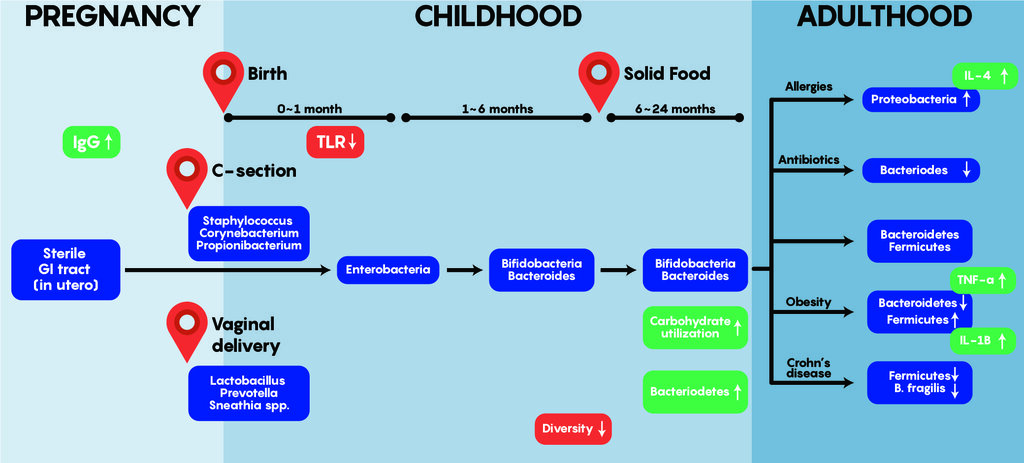
This dynamic nature is what makes the microbiome so fascinating. Unlike our genes, which are relatively fixed, our microbiome is malleable. It responds to our choices and our environment, offering a unique window into our health.
Ready to check your understanding of these tiny tenants?
How does the genetic contribution of the human microbiome compare to the human genome?
Which of the following is NOT a primary function of the human gut microbiome?
Understanding our microbiome is like discovering a new, hidden organ. It's an integral part of what makes us human, influencing our health in ways we are only just beginning to appreciate.